
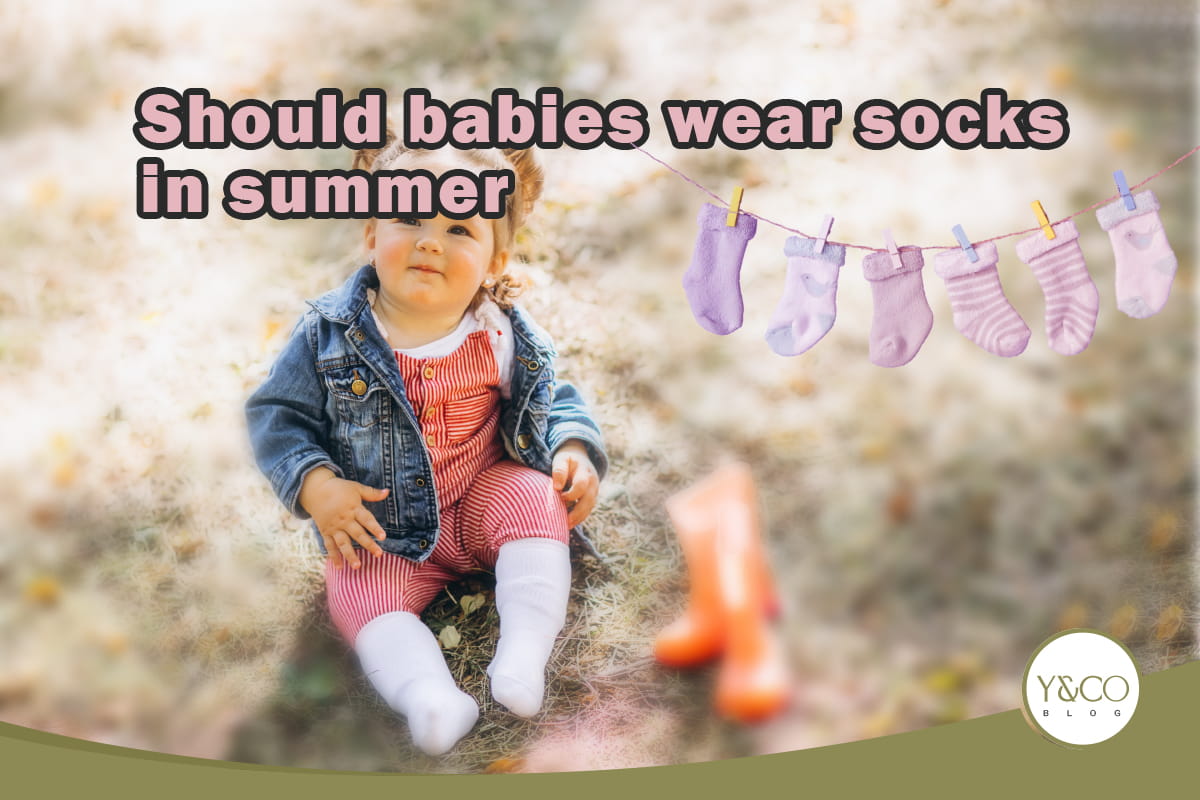

Babies wear socks in summer only when necessary; baby feet naturally feel cool even when they’re perfectly comfortable, so cold toes don’t always mean they need socks. Focus on watching for real overheating signs and adjusting based on your environment, from air-conditioned malls to hot UAE summers.
In This Article
Whenever we touch our baby’s feet, most of the time we find them cold. Even outside on a sunny day, those tiny feet seem cooler than we expect. New moms, especially, become worried about this and quickly put socks on their little ones. But do babies wear socks in summer — is it really necessary?
In normal circumstances, who puts socks on their children during sunny summer days? We think it sounds silly. But what’s really true here?
The thing is, baby feet often feel cool even when they’re perfectly comfortable. Babies naturally keep their core warm first, leaving hands and feet cooler. Their bodies keep important parts warm first, so hands and feet naturally feel cooler to our touch.
Many moms panic when they feel those cold little toes and assume their baby must be freezing. It’s not that simple, though.
Even in hot places like the UAE, where summer heat can be intense, the sock question still matters. With extreme outdoor temperatures but heavily air-conditioned indoor spaces, it’s harder to know what your baby needs.
Knowing when babies need socks in summer stops overheating and keeps them comfortable. It’s about reading the real signs rather than relying on old assumptions about cold feet meaning cold babies.
When Do Babies Need Socks?
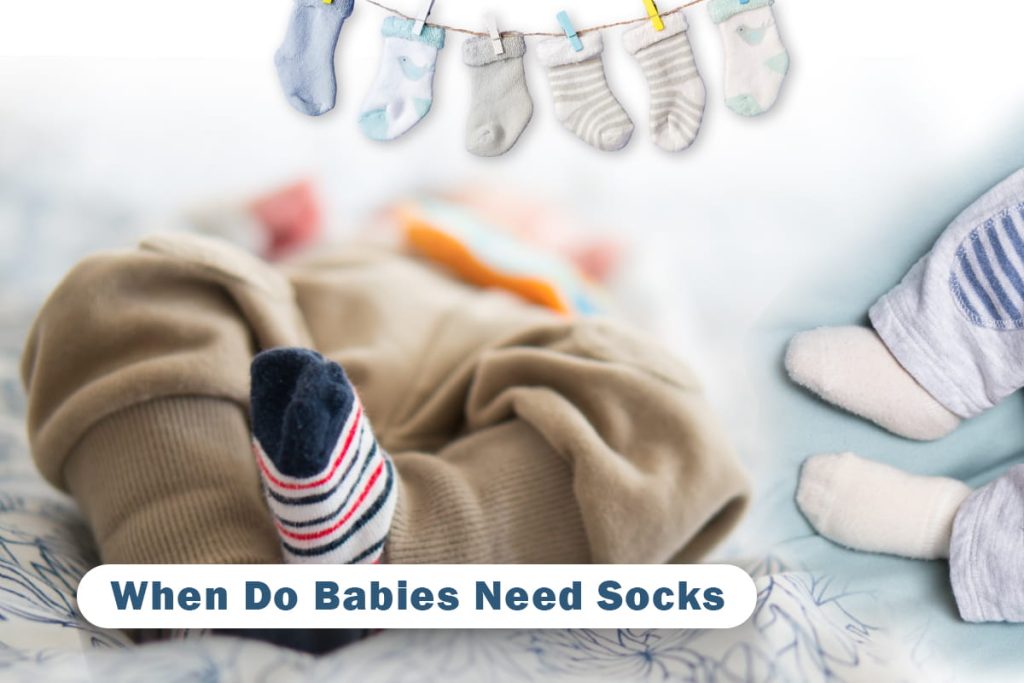
The answer depends on where you are and what you’re doing.
Room temperature matters most. When your home feels comfortable enough that you’re wearing light clothes, your baby’s feet can usually stay bare.
Doctors say to check the room temperature first. If it’s around 24°C or warmer, most babies don’t need socks. Below that temperature, especially in air-conditioned spaces, thin socks might help keep your baby comfortable.
Summer makes things tricky because we’re constantly moving between different environments. Bare feet work perfectly for morning playtime at home, but shopping in heavily air-conditioned malls is different.
The confusion often comes from mixing up different scenarios. What works for a quiet afternoon at home might not work for a trip to the grocery store. What’s perfect for naptime could be too much for active play.
Babies under 12 months handle temperature changes differently from older children. They can lose heat quickly in cool environments, but they also overheat faster when it’s warm. So you can’t just follow one rule for every situation.
Times to Put Socks on This Summer
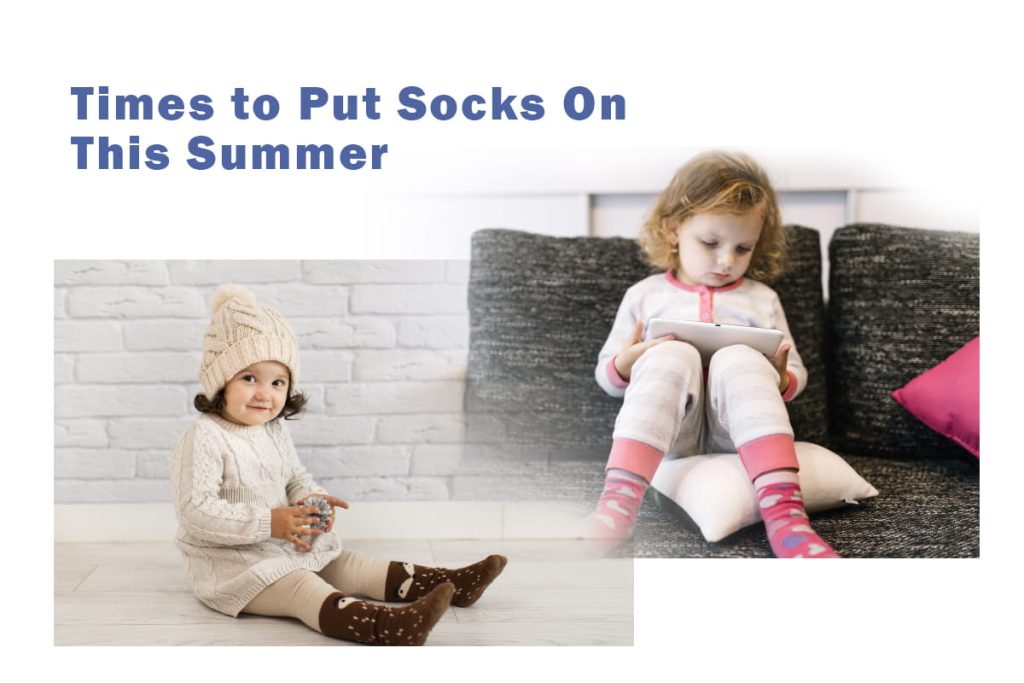
In Air-Conditioned Places
Shopping centers, restaurants, airplanes, and even your own home can get quite cool when the AC is running full blast. Little feet get chilly fast in these environments. Some malls keep temperatures as low as 18°C, which feels freezing after coming in from the summer heat.
During Sleep Time
Many parents keep baby rooms on the cooler side for better sleep quality. Thin cotton socks can provide just enough warmth without causing overheating. Most moms say this works better than extra clothes that might bunch up or make the baby too warm.
For Surface Protection
Hot pavement, rough surfaces, or sand can be uncomfortable or harmful to delicate skin. Short walks from the car to the building need foot protection. Beaches need some foot protection, especially during midday hours.
Sun Protection for Young Infants
Newborns and babies under six months face special challenges since they can’t use sunscreen. Any outdoor time, however brief, exposes their delicate skin to UV rays. Socks help protect them from the sun during unavoidable outdoor moments like getting to and from the car.
When to Ditch the Socks Completely
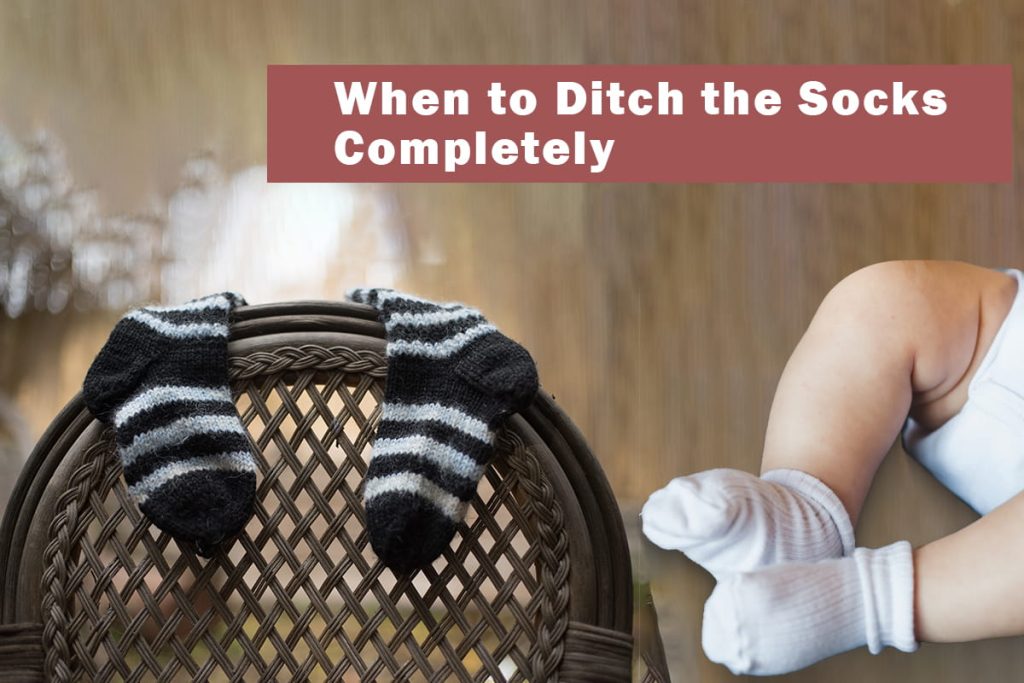
If the room feels warm to you, babies don’t need socks. When you’re comfortable in light clothes, those little feet should stay bare.
Sometimes you put socks on for air-conditioned shops, but take them off when you get home. Look out for overheating symptoms- red cheeks, sweating, breathing fast, or getting cranky. Hot, sweaty feet mean the socks need to come off right away.
Babies who are learning to move around do better without socks. Crawling and walking are easier when they can feel the floor with their feet. Socks make everything slippery and harder.
Little ones also like to touch things with their feet. They learn about carpet, tiles, grass, and other textures this way. Socks block this learning.
Your baby usually needs fewer clothes than you think. If you feel comfortable, they probably feel even warmer than you do.
Best Summer Sock Materials and Types for Babies
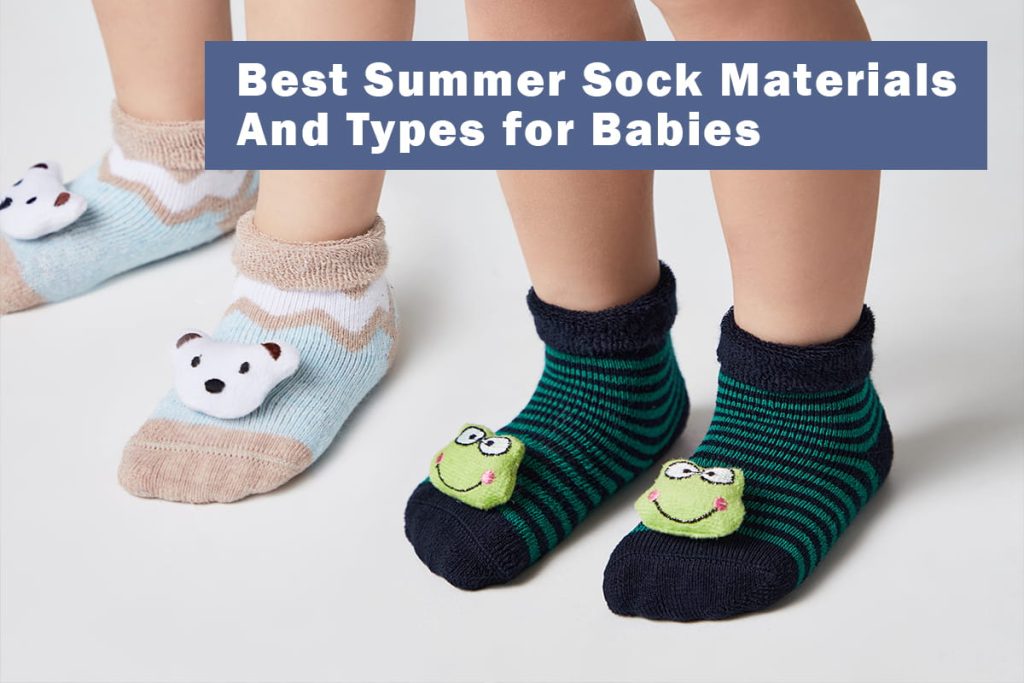
Cotton socks work well for summer because they let air flow around little feet while keeping them protected. These socks feel soft and thin, not thick like winter ones.
Bamboo socks feel really soft and soak up wetness better than cotton. Moms like these for babies who get sweaty feet or when it’s humid outside.
Cotton mix socks can be good too if they’re mostly cotton with a little bit of stretchy material. This helps them stay on wiggling feet while still letting air through.
Some socks have little grips on the bottom. These help babies who crawl or walk so they don’t slip on smooth floors. They’re helpful in places with tile or wood floors.
Special sun protection socks exist for beach days or long outdoor times. These are thicker and stop the sun from hitting little feet.
Don’t use plastic-y stuff like polyester. These make feet hot and sweaty, which is exactly what you don’t want in summer. Save the cute synthetic socks for winter instead.
Warning Signs: Remove Socks Right Away
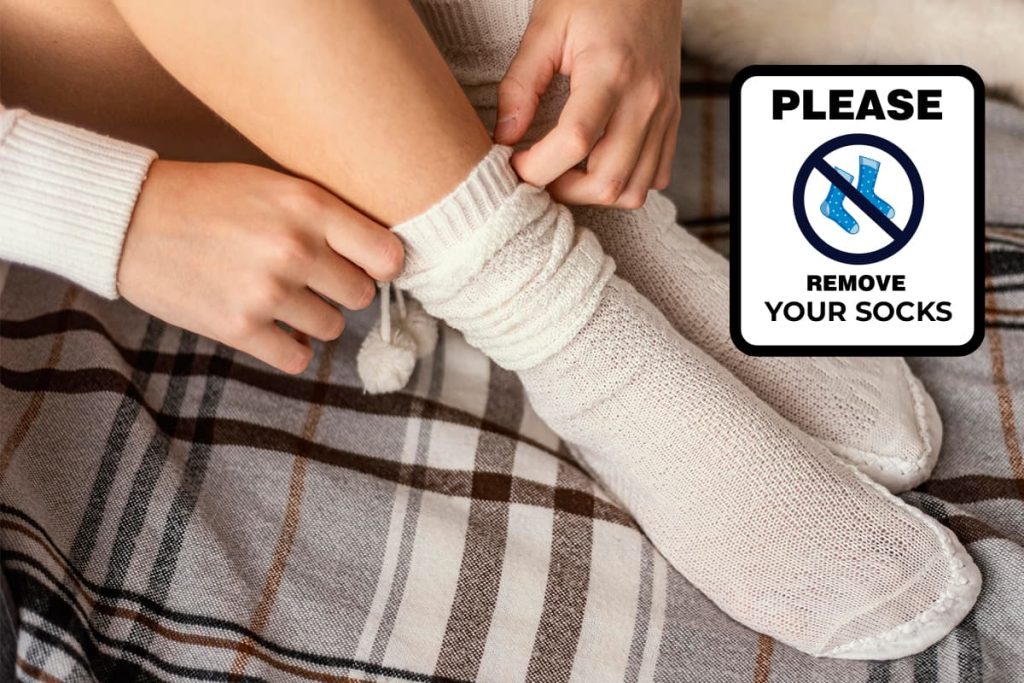
No matter why you wear socks, there are always risks in summer heat. Remove socks immediately if you see these warning signs:
Your Baby Is Getting Too Hot
Sweating a lot, especially on the head and neck, means your baby is overheating. Fast breathing or struggling to breathe also shows they’re too warm. When babies get very sleepy at odd times, or their skin feels hot to the touch, take the socks off right away. Extra fussiness or crying more than usual can also mean they’re uncomfortable from the heat.
Socks Are Too Tight
Red marks around the ankles that stay after taking the socks off show that the socks are too tight. Deep lines on the skin or socks that are hard to pull off mean they’re cutting off circulation. Puffy or swollen feet mean the socks need to come off immediately and stay off until the swelling goes down.
Sleep Problems
When the room feels warm but your baby still has socks on, remove them before sleep time. Sweating during sleep is dangerous and means too many layers. Never add socks on top of other warm clothes, and avoid thick socks for nighttime in summer.
Skin Gets Irritated
Red, bumpy rashes on the feet usually happen from hot or rough socks. Irritated patches where socks touch the skin need air to heal. Babies who start scratching at their feet or show raw skin need a complete break from socks.
When you’re not sure, always choose fewer clothes rather than more. It’s safer for babies to be slightly cool than too hot.
FAQs
Which socks are best in summer?
Cotton and bamboo socks are the best choices for hot weather. They let air through, soak up sweat, and keep feet cool. Avoid synthetic materials like polyester that trap heat.
When should babies not wear socks?
Remove socks when rooms are above 24°C, during active play, or if you notice sweating, red cheeks, or fussiness. Also, skip them for tummy time and learning to walk.
What type of socks are best for summer?
Thin, lightweight cotton or bamboo fiber socks work best. For crawling or walking babies, choose grip socks with non-slip bottoms for safety on smooth surfaces.
Why do some people wear socks in summer?
Air-conditioned spaces like malls and restaurants can be very cold. Socks also protect feet from hot pavement, provide sun protection for young babies, and help during temperature transitions between indoor and outdoor spaces.
Babies need extra care, and as a new mom, everyone wants their baby to be safe and protected. But understanding when babies wear socks in summer matters more than just putting them on automatically; it isn’t always the best option for keeping your little one comfortable.
You have other choices that work better in summer heat. Thin muslin cloths can wrap around feet when needed and come off easily. Long pajamas with built-in feet give protection without the tight fit of separate socks. Light cotton onesies with foot coverage work well for air-conditioned places.
Sometimes, just moving to a different room solves the problem. If your baby’s feet feel cold in one spot, try another area of your house that might be warmer. Turn the AC up a bit, and you might not need socks.
Holding your baby close warms them up when they feel chilly. Stay flexible and remember that you can always add or remove things as situations change throughout the day.
Leave a Reply