

Heat rash is common in babies living in the UAE. Learning how to prevent baby heat rash with proper strategies protects little ones from painful red bumps. With proper prevention strategies, families can protect their little ones from those painful red bumps. Parents who understand the UAE’s heat and humidity can better protect their babies from heat rash.
In This Article
Many parents notice angry red bumps on their baby’s neck during diaper changes and worry that something is wrong.
Living in the UAE with a baby is challenging. Extreme heat can make little ones uncomfortable very quickly.
Heat rash is common in hot climates. The UAE’s high temperature and humidity create the perfect conditions for those red bumps that make babies uncomfortable, and parents stressed.
When red marks appear on a baby’s skin, parents want to learn everything about how to prevent baby heat rash in this climate. Understanding these prevention methods helps UAE parents protect their babies from the discomfort that heat rash causes.
Heat in the UAE is different from other places. The combination of high temperatures and humidity makes it especially challenging for babies.
A baby’s body works differently than an adult’s body. Adults can sweat to cool down, but babies have immature sweat glands that don’t work as well. During the hot summer months, a baby’s cooling system struggles to keep up.
The hardest months are June through September. However, even cooler months can be tricky. Babies can get heat rash during mild weather if they wear too many clothes for the day.
Babies need much more protection than adults. Their skin is thinner and more sensitive. Babies also cannot tell caregivers when they feel too hot until it becomes a serious problem.
Understanding Heat Rash
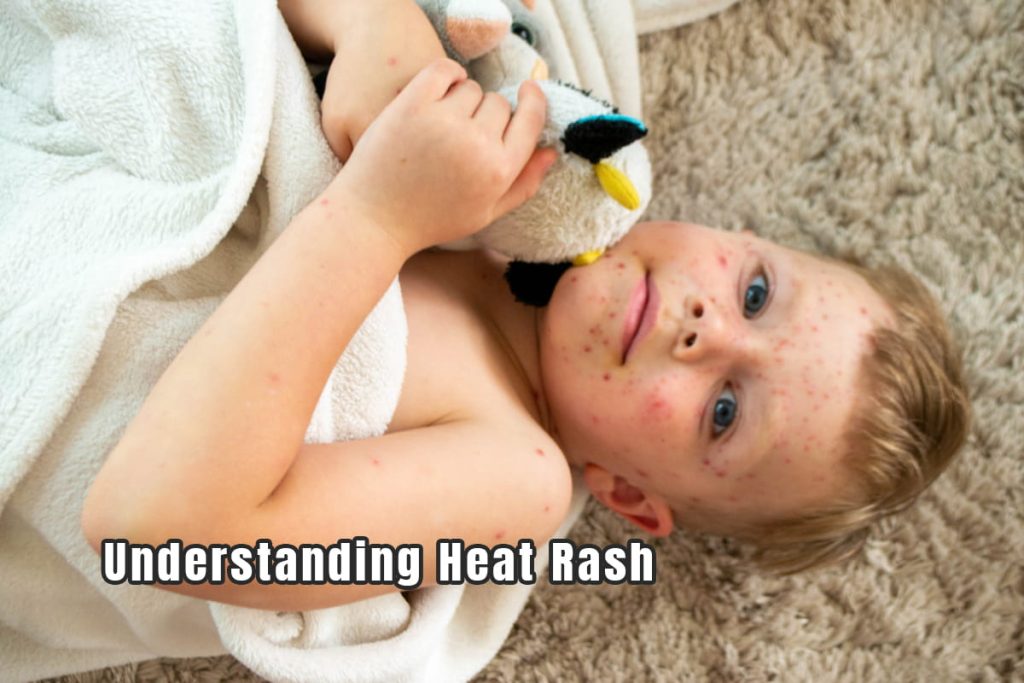
Heat rash happens when a baby’s sweat gets trapped under their skin. It appears as red bumps that make babies uncomfortable.
The bumps can look different. Sometimes they are clear and watery, other times they are red and angry. Red bumps are the worst because they itch a lot. There are also deeper bumps that match a baby’s skin color. These are more serious because they affect a baby’s ability to sweat properly.
Red bumps usually show up around the neck first, under the arms, and in the diaper area. These spots trap heat and moisture easily. Parents should check these areas several times during hot weather because problems often start there.
Heat rash develops very fast. It can appear within just 30 minutes of getting too hot. A quick trip to an outdoor playground at 11 AM can result in red bumps appearing across a baby’s chest and back within thirty minutes. The speed of development often surprises parents.
How to Prevent Heat Rash in UAE Weather
Choosing the Right Clothes
In the UAE, comfort matters more than cute outfits. Synthetic fabrics can cause red bumps on a baby’s skin. Doctors recommend the “one layer less” rule. If you wear a t-shirt, dress your baby in just a diaper. If you wear a light sweater indoors, your baby needs only a t-shirt.
Pure cotton is the best choice. Avoid cotton blends or synthetic materials. Bamboo fabric also works well because it stays cooler and naturally fights bacteria. Muslin wraps are perfect for swaddling since air flows through them easily.
Light colors keep babies cooler. White and pale colors reflect heat away from the skin. Dark colors trap heat and make babies much hotter. Navy outfits will leave your baby drenched in sweat. Stick with light colors instead.
Change your baby’s clothes whenever they feel damp. Wet clothes block air circulation and increase the chance of heat rash. During hot months, keep several extra outfits on hand since babies go through clothes quickly.
Using Air Conditioning Safely
Air conditioning helps babies stay comfortable, but you need to use it the right way. Keep your nursery at a comfortable temperature. If it gets too cold, the risk of SIDS increases. If it gets too warm, heat rash becomes more likely.
Position your baby’s crib away from air vents. Cold air blowing directly on a baby can cause breathing problems and sudden temperature drops. If your baby has a stuffy nose, check whether an air vent is pointing at the crib. Moving the crib away from the vent usually fixes the problem right away.
UAE air conditioning can dry out the air, making it harder for babies to stay cool. Use a humidifier to keep the air moisture at a healthy level. This will also help your baby’s skin feel much better.
Daily Bathing and Skin Care
Babies need daily baths during UAE summers. Lukewarm water is ideal—it should feel comfortable to the touch. Hot water strips away skin protection, while cold water can shock a baby.
Areas where skin folds together need extra attention. This includes the neck, armpits, groin area, and diaper zone. These spots collect sweat and moisture easily. Plain water is better than soap when heat rash is already there. Soap can make the skin worse.
When drying your baby after a bath, gentle patting is better than rubbing. Allowing your baby to air dry completely before putting on fresh clothes helps prevent more heat rash. This extra step makes a real difference.
Between baths, cool washcloths can help wipe away sweat buildup. This quick cleanup prevents sweat from accumulating without needing another full bath. Babies often respond positively to this routine since it feels refreshing.
Feeding During Hot Weather
Breast milk naturally changes during hot weather to provide babies with more water content. Breastfed babies under six months usually get sufficient water from milk alone, even in the UAE heat. This relieves a lot of parental concern during the hot summer months.
Feeding sessions often become more frequent during hot weather. Babies typically want extra comfort when they feel too warm, and this is completely normal. Following your baby’s hunger cues rather than sticking to a strict schedule tends to work better.
If you use a formula, it should never be watered down. Small amounts of cooled boiled water are appropriate for babies over six months. Fresh formula should be prepared for each feeding since the UAE heat causes the formula to spoil quickly.
Formula bottles should never be left in the car. Even twenty minutes in a parked car is enough to make a bottle dangerously hot. Taking formula bottles inside, even for quick trips, prevents any spoilage issues.
When You Need to See a Doctor
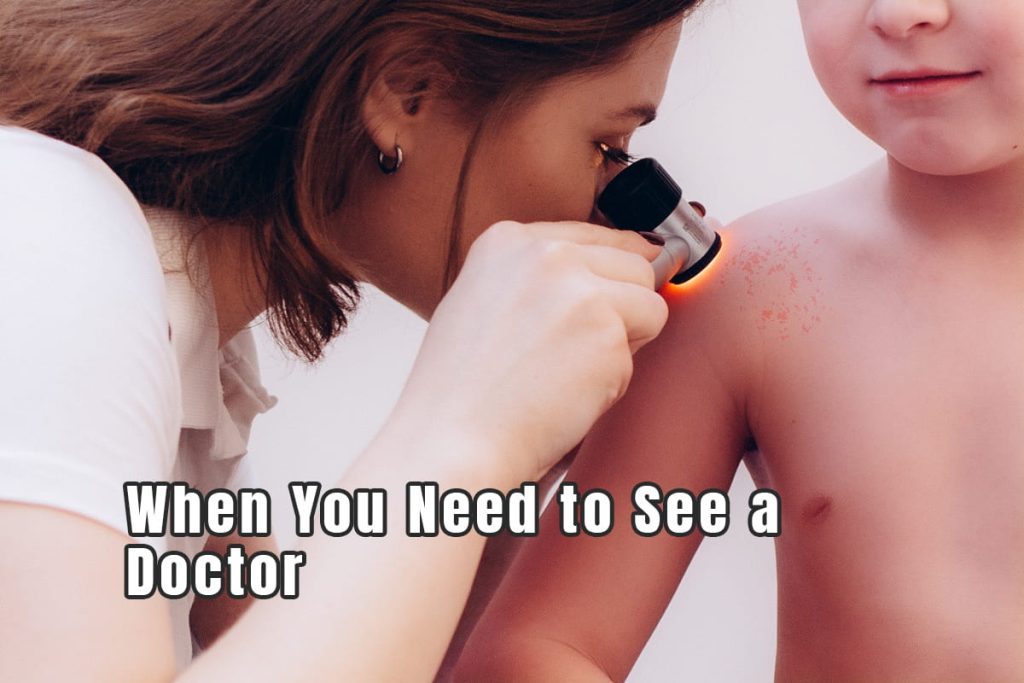
Some signs mean your baby needs medical attention right away. Heat rash can sometimes become more serious than just uncomfortable bumps.
Babies under three months with any fever need emergency care immediately. Young babies can get worse very quickly in the UAE heat.
Watch for several warning signs. If your baby’s skin feels hot and dry with no sweating, that is concerning. Unusual sleepiness is another sign. Irregular breathing also needs attention. A sudden drop in wet diapers from six to three per day indicates dehydration. Dehydration happens fast in this climate.
Heat rash can become infected if your baby scratches the bumps too much. Look for yellow pus. Watch for spreading redness. Check for warm areas around the bumps. If the rash looks worse instead of better after a few days, see a doctor.
The UAE has good pediatric care available. Local health centers handle most heat rash cases well. For real emergencies, call 998. Most heat rash issues get treated at regular clinics. You usually don’t need specialists.
Cost should not worry you. Most insurance covers children well in the UAE. Emirati nationals have public system coverage too. Getting medical advice early helps prevent serious complications.
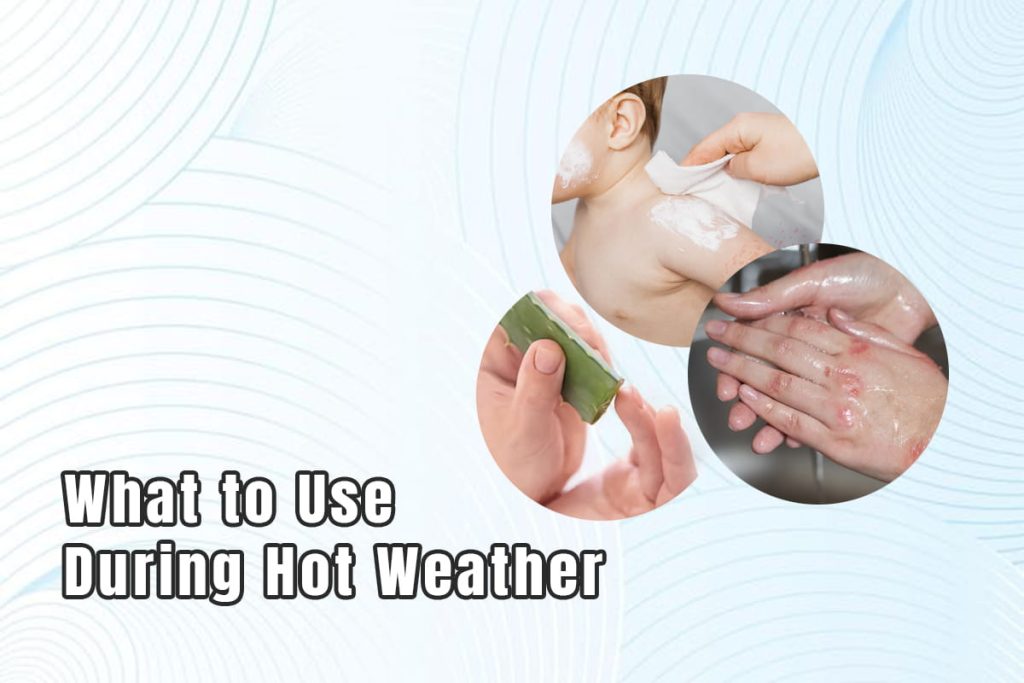
What to Use During Hot Weather
Oatmeal Baths
Oatmeal baths reduce skin inflammation well. They are one of the best options available. Plain oats should be ground until they become fine powder. When a spoonful is added to warm water, the water turns milky white.
Add this slowly to bath water while mixing. Short, soothing daily baths with oatmeal help calm irritated skin. Many parents see improvement within a few days.
Cool Compresses
Cool compresses provide relief when heat rash gets really bad. Use clean, thin cloths soaked in cool water. Apply these for up to twenty minutes on affected areas. This works well for immediate relief.
Never use ice directly on baby skin. Ice can cause dangerous temperature shock to your baby.
Aloe Vera for Older Babies
Pure aloe vera gel works well for babies over three months. Test a small area first to check for reactions. Apply just a little bit. Let it dry completely before covering the area.
What Not to Use
Don’t trust advertisements completely. They don’t always tell the truth about baby products. Never use talcum powder during active heat rash. Thick ointments make it worse too.
Well-meaning relatives might suggest baby powder. But it can actually make heat rash last longer. Avoid these products during flare-ups.
Daily Routine in Hot Weather

Starting your day early works well when temperatures are cooler. Outdoor activities like walks feel much better before 9 AM. The air feels fresh at this time. Your baby can enjoy outside time safely.
Many families stay indoors between 11 AM and 6 PM during summer months. This is when UAE heat becomes dangerous for babies. Use this time for indoor play. Naps work well during these hot hours. Quiet activities keep babies comfortable.
Shopping malls often become good places for family outings during the hottest hours. The air conditioning keeps everyone comfortable. Babies can still see new things and stay entertained.
Evening is better for going outside. Evening walks work well when the sun starts going down. Babies are often happiest and most active at this time.
North-facing rooms tend to stay cooler throughout the day. If your nursery faces east or west, use blackout curtains during afternoon hours. This helps keep the room cooler.
FAQs
Is there anything to prevent heat rash?
Yes. Keep skin cool and dry, wear loose cotton clothing, avoid sweat buildup, and maintain good air circulation.
Does sunscreen stop heat rash?
No. Sunscreen doesn’t prevent heat rash; it can actually trap heat and moisture. Use lightweight, non-comedogenic sunscreen if needed, but focus on staying cool instead.
How do you stop a heat rash before it starts?
Stay in cool environments, wear breathable fabrics, and avoid excessive sweating. Keep skin dry and clean by taking cool baths or showers regularly. Use fans or air conditioning to maintain good ventilation and reduce body heat buildup.
Watching a baby struggle with heat rash is difficult. Red bumps make babies cranky and uncomfortable. Parents often feel helpless when their baby is in discomfort.
Taking care of babies is already challenging work. Every baby is different. Some babies get heat rash easily, while others don’t. In UAE heat, heat rash becomes another worry on top of feeding schedules, sleep problems, and normal fussiness.
Parents get better at handling it with time. Learning how to prevent baby heat rash helps reduce stress. After the first experience, spotting early signs becomes easier. Preventing flare-ups gets simpler. Fear and panic turn into confidence and practical knowledge.
Every UAE parent goes through this learning process. It’s normal to struggle at first. With time and experience, parents develop routines that work for their baby. Being patient with yourself and your baby during this adjustment makes a difference.
Leave a Reply