


Learn how to care for kids’ clothes: washing and maintenance tips to make them look new and long-lasting. Sorting clothes by colors and fabrics, pre-treating the stains, using mild and baby-safe detergents, washing clothes at the right temperature, and airdrying them to avoid shrinkage; all come together to keep a kid’s closet full of fresh and vibrant babywear. However, parents should go through each tiny detail of washing baby clothes the right way to lessen the laundry hassle and tackle the pile of dirty clothes more conveniently.
In This Article
Who doesn’t love an organized wardrobe for kids filled with fresh and clean outfits? But is it that simple to battle the mountain of dirty clothes every week?
Not really. You must follow some expert hacks to save your sanity (and your kid’s skin). Let’s face the truth: the amount of dirty clothes that tiny humans produce is beyond imagination. And new parents often get lost in the pile of dirty clothes without knowing the right clothes-cleaning hacks.
So, here is the deal; say goodbye to the laundry day woes and keep your kids’ clothes looking and smelling fresh just like the day you bought them. Let’s explore how to care for kids clothes: washing and maintenance tips to extend the lifespan of each garment, resulting in happy and confident kids wearing well-maintained outfits.
Should You Wash Baby Clothes Before Use?
Absolutely yes. When you buy a new garment for babies, think about its manufacturing process. You don’t know how many dyes and chemicals have been used to make this beautiful piece. Some of them may leave residues to irritate your child’s delicate skin.
Think about the dirt and germs the garment accumulates while sitting on the store shelves. Also, how many people touch the garment before you finally bring it home? So, the clothes may be exposed to all sorts of harmful elements for baby skin, and you must wash them before use to make the outfits squeaky clean.
How to Care for Kids’ Clothes: Washing and Maintenance Tips for Parents
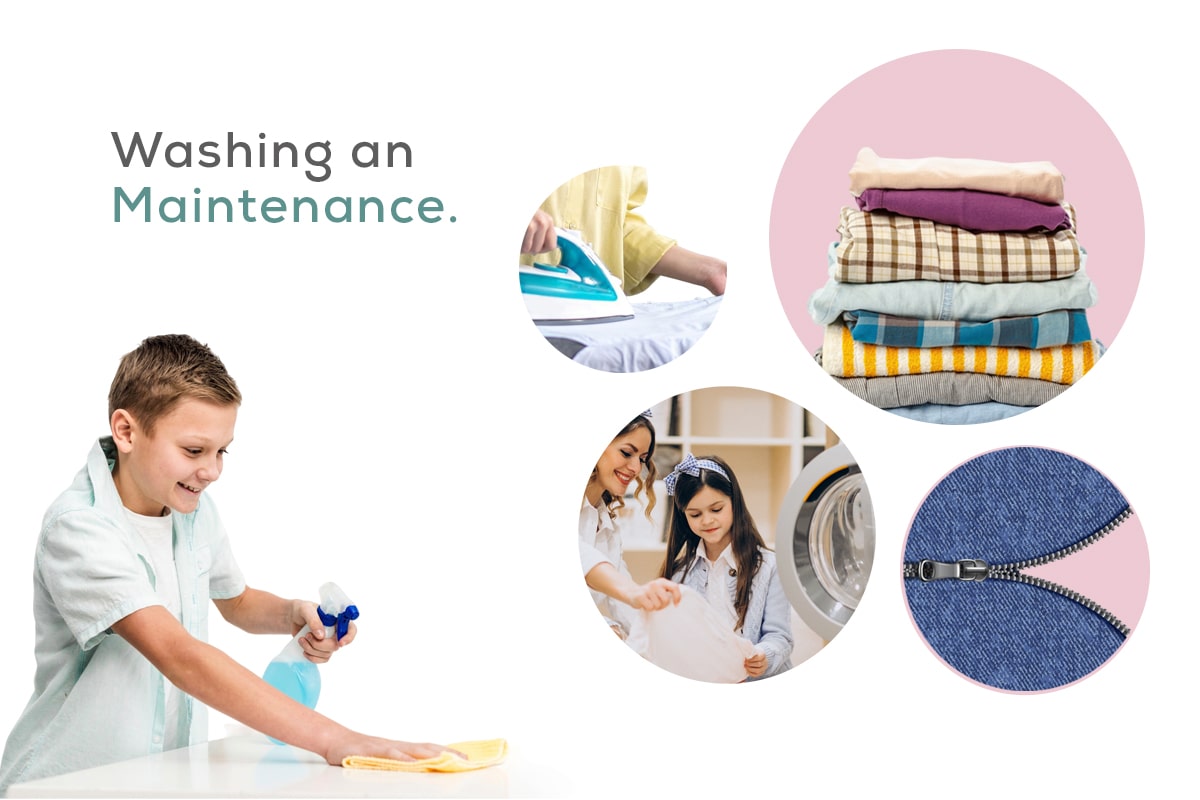
Here are the basics of kids’ clothing care including the washing and maintenance tips:
1. Checking the Care Label
The first step to a clean baby closet is to check the care label of each garment. These labels hold a sea of secrets on how to wash the fabrics, the appropriate washing temperature, drying methods, special care for delicate items, ironing settings, and whatnot! So, read the label carefully and follow the instructions properly.
2. Sorting Clothes the Right Way
Next, you need to sort clothes into separate piles based on the following parameters:
Sort by Color: Separate clothes of different colors to prevent color bleeding. Keep white, light, and darker shades separators so the darker colors don’t transfer into the lighter ones.
Sort by Fabric: Keep delicate fabrics like silk and lace in a separate pile, as washing them with sturdier materials (cotton or denim, for instance) might cause them abrasion.
Sort by Size and Weight: Heavier clothes like jeans should be kept separately from lightweight and smaller ones (socks, cotton shirts, etc), as washing them together might cause wear and tear to the latter.
Level of Dirtiness: Sorting clothes according to their dirtiness ensures that dirtier clothes are thoroughly cleaned, while less dirty clothes are spared damage through the rigorous washing method.
3. Closing Buttons/Zippers/Fasteners
Before heading to the wash cycle, make sure you check all the openings like buttons, zippers, and fasteners, and close them to keep them from snagging on other clothes.
4. Treating the Stains
With kids, food spills, ink stains, or painting messes are inevitable; and parents should be well-prepared to deal with different stains on those cute clothes. Pre-treating the stains before washing clothes is the right approach so as not to let them set and get more stubborn. Here’s how to treat stains for successful removal:
- Acting fast is the key. Blot the stain with clothes/wipe it as soon as you notice it
- Apply a stain remover quickly (both store-bought and DIY removers work)
- Do not scrub, rather gently wipe the stain so as not to spread it
- After treating the stain, wash the clothes as soon as you can
5. How to Wash Children’s Clothes: Step-by-Step Guide
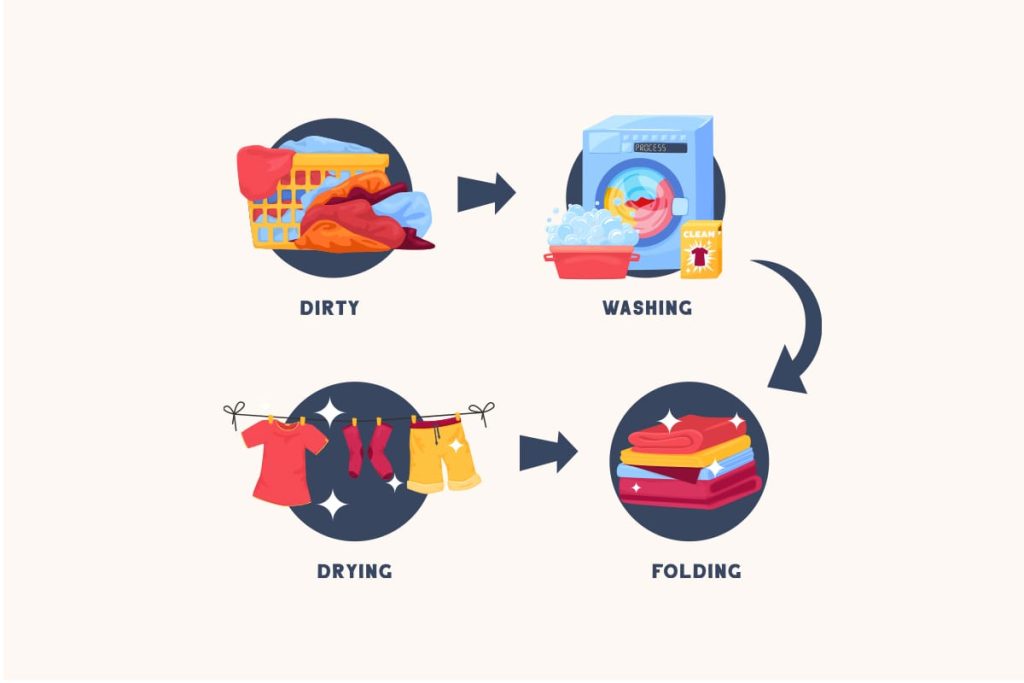
Done with the laundry preparations? Now follow the steps below to ensure a thorough wash to your child’s favorite attires;
Choose a Mild Detergent
New moms often wonder, can I use the same detergent to wash my kids’ clothes that I use for adults? Well, it’s recommended not to do so. Instead, pick a baby-safe gentle detergent without harsh chemicals and fragrance, so it doesn’t affect your little one’s delicate skin.
Reminder: DO not use too much detergent as it will leave a residue.
Turn Clothes Inside Out
How do you protect the colors of kids’ clothes from fading away faster? Turn the clothes inside out to extend the lifespan of colors, prints, embroideries, and decorative elements on the outer surface of the outfit.
Double-Check the Pockets
Hello, new mamas, have you checked the tiny pockets of those mini-sized suits and shirts? Who knows what you will discover! Imagine leaving a chapstick inside the pocket and tossing the clothes into the washing machine. What a greasy mess it will create, isn’t it? So, double-check all the pockets beforehand (applicable for washing adult clothes as well).
Wash in Cold Water
Here is the tricky part, washing kids’ clothes in cold water. At best you can use lukewarm water for clothes with excessive dirt and grease, but never wash in hot water as it will ruin the fabrics, leading to shrinkage and color fading.
Pro Tip: For heavily soiled kids’ clothes, pre-treat and soak them before washing.
Choose the Right Cycle
For natural fabrics like bamboo/cotton, choose the gentle cycle to reduce wear and tear. And for sturdier items like jeans or activewear, go with the regular wash cycle for a better cleaning output.
Avoid Overloading the Washer
Though it’s hard to resist the temptation of tossing all the dirty clothes together in the washer, overloading the machine doesn’t help. Rather, it results in incomplete cleaning alongside the risk of damaging the fabrics (because of the increased friction inside the washer, you know).
So, opt for smaller laundry loads to get an optimum result, whether you are cleaning clothes for 10 years or 10 months old.
Use Mesh Laundry Bags
Invest in mesh laundry bags to wash small pieces (socks, bibs, mittens, etc) to prevent them from getting lost or tangled with other clothes. You can also use these bags to wash delicate items separately.
Perform Double-Rinsing
Babies often have sensitive skin and they are more prone to allergies. That’s why it’s recommended to perform a double rinsing of baby clothes after washing to ensure there is no residual detergent left to cause irritation/ allergic reactions.
Airdry Clothes with Care
Once the washing machine has taken care of the dirty clothes, now it’s your turn to dry them properly. In children’s clothing, it’s highly recommended to stick to airdrying garments and avoid heat to lengthen their lifespan. You can air dry in the following ways:
- Hang Dry: Hang the clothes in lines on a drying rack avoiding direct sunlight.
- Flat Dry: You should lay the delicate clothes flat, of course on a clean surface to save them from getting stretched.
Hand Washing the Delicate Fabrics
If a clothing label clearly says that you should hand wash it, then choose a mild detergent containing no bleach, fragrance, or harsh chemicals to clean it gently. Use minimal detergent, cool water, and a bit of elbow grease to wash away the dirt. Then squeeze out the excess water gently and lay the garment flat on a clean towel for airdrying.
Washing New and Used Clothes
For new clothes: remove all the tags and stickers before the first wash
For used clothes: If you are shopping second-hand for your baby girl/boy, or using those passed down clothes from older siblings- consider checking for set-on stains to decide whether the garment needs to be pre-soaked or pre-treated
6. Ironing the Clothes
After washing and drying kids’ clothes, ironing is crucial to keep them neat. However, follow the cautions below to iron your kid’s attire with care:
- Stick to the recommended heat level for each garment mentioned in the care label
- Iron the clothes inside out to preserve prints, patterns, and textures on the outer surface
- To save the fabrics from direct heat, you can use pressing cloth so as not to fade the colors faster
7. Storing and Organizing
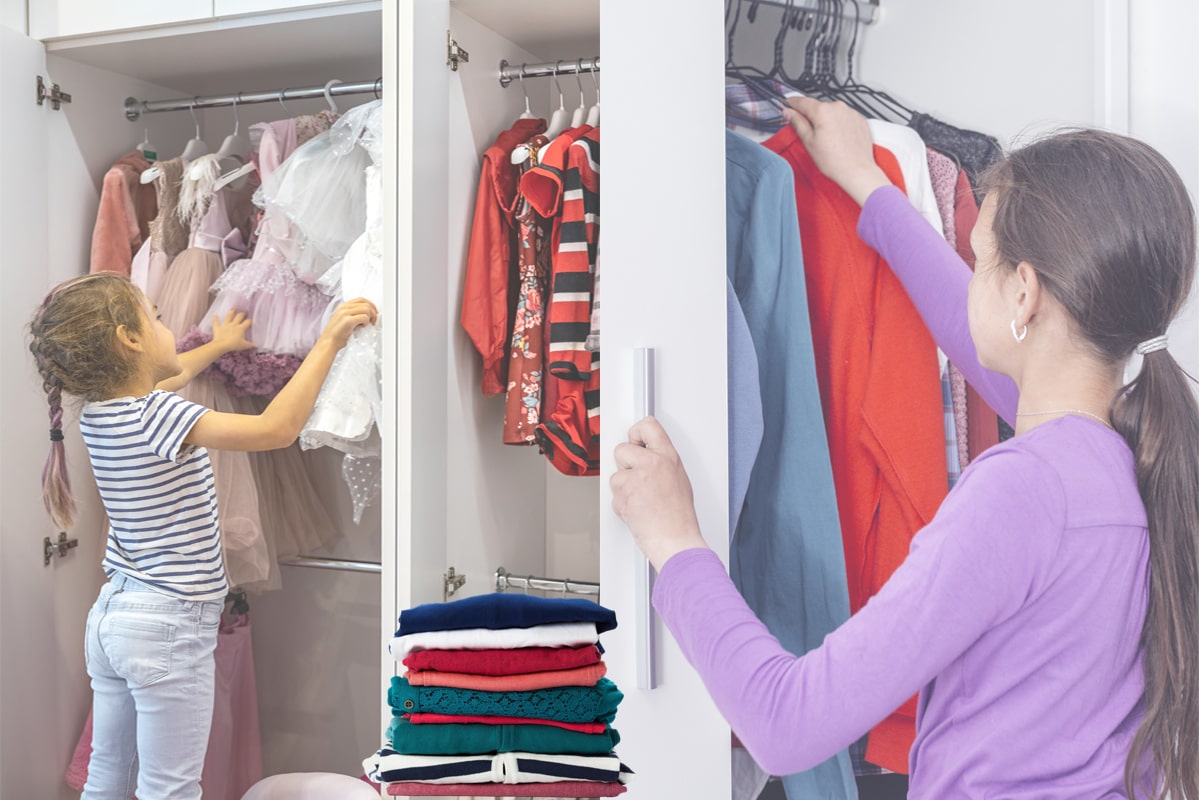
To keep your child’s clothing pristine for years, proper storage and maintenance could be the game changer. Here are some exclusive tips for storing and organizing kids’ clothes the right way to extend their shelve-lives:
- Fold the clothes neatly to reduce wrinkles and save storage space
- Keep them stored in a cold, dry, and clean place, away from direct sunlight
- Hang delicate garments on padded hangers to prevent wrinkles and stretching
- Use breathable garment bags to protect occasional outfits from dust without moisture buildup
- Keep the out-of-season clothes inside vacuum-sealed bags/airtight containers to save them from dust, dirt, and pest
- Storing premium cotton wear for boys/girls? Consider placing tissue paper within folds to stop the clothes from creasing
- Keep your kid’s clothes smelling fresh by placing cedar blocks/lavender sachets in the drawers and closets. They also repel moths and other pests naturally from kids’ attire.
How to Take Care of Clothes for Kids by Fabrics
In kids’ clothing, fabric plays a key role in maintaining quality and appearance, therefore, different fabrics require different care and maintenance. Here’s how to care for some prominent fabrics in infant clothing:
Cotton
To care for cotton garments, the following steps are suggested:
- Machine wash in cold/lukewarm water
- Use a gentle cycle
- Avoid using bleach, harsh chemicals, fabric softeners
- Tumbler dry on low heat/ air dry them for best results
- Iron on medium heat
Wool
For woolen garments, do the following:
- Gentle hand washing is recommended
- Wash in cold water using mild detergent
- Do not twist the clothes, rather gently squeeze the excess water
- Lay the clothes flat to air dry them, ab\void tumbler drying
Fleece
Fleece is a quick-drying synthetic fabric and requires special care as follows:
- Wash the clothes separately, preferably inside a laundry bag
- Turn the garment inside out to protect prints and textures
- Hand wash the fabric in cold water and baby-safe detergent
- Let the clothes lie flat and dry naturally
- Don’t keep fleece clothes under direct sun, dry them under shades
Silk
Often used in special occasion wear, silk is a luxurious choice for kidswear, and you should take care of silk more carefully.
- Hand wash in cold water
- Never use lukewarm/hot water
- Was separately from regular wear
- Using silk-specific detergent is recommended
- Rinse the clothes gently
- Lay them flat on clean towels/clothes
- Iron on the lowest heat setting
- Place a cloth between the iron and the silk fabric
Linen
Lightweight fabrics like linen are great for warm weather. Here’s how to maintain kids linen outfits:
- Both hand washing/machine washing are okay
- You can use cold/lukewarm water
- Using a gentle cycle and mild detergent is recommended
- Hang drying and flat drying both work for linen, just make sure you avoid wringing
- Iron the fabric while it’s still damp to get a crisp finish
Note: Special garments like suits, fancy dresses, and heirloom items need professional treatments and might require dry cleaning. So, read the care label in detail.
How to Care for Baby Clothes: Seasonal Tips
Babies wear different clothes in different seasons, which is why parents should prepare for seasonal changes in maintaining kids’ wardrobes.
Summer: For kid’s summer wear, you need to wash clothes more frequently to remove sweat and sunscreen; preventing odor and making them look fresh. Try to airdry clothes outdoors to maintain fabric quality.
Winter: Kids’ winter clothes need to be dry thoroughly to prevent mildew buildup. However, avoid overdrying clothes to eliminate static discomfort. And winter clothes should be stored in vacuum-sealed bags to keep them fresh throughout the year.
Rainy Weather: Wash wet clothes immediately to prevent mold and mildew growth. And try to dry clothes indoors to avoid exposure to humidity and moisture for a prolonged period.
Battling Different Types of Stains on Kids’ Clothes
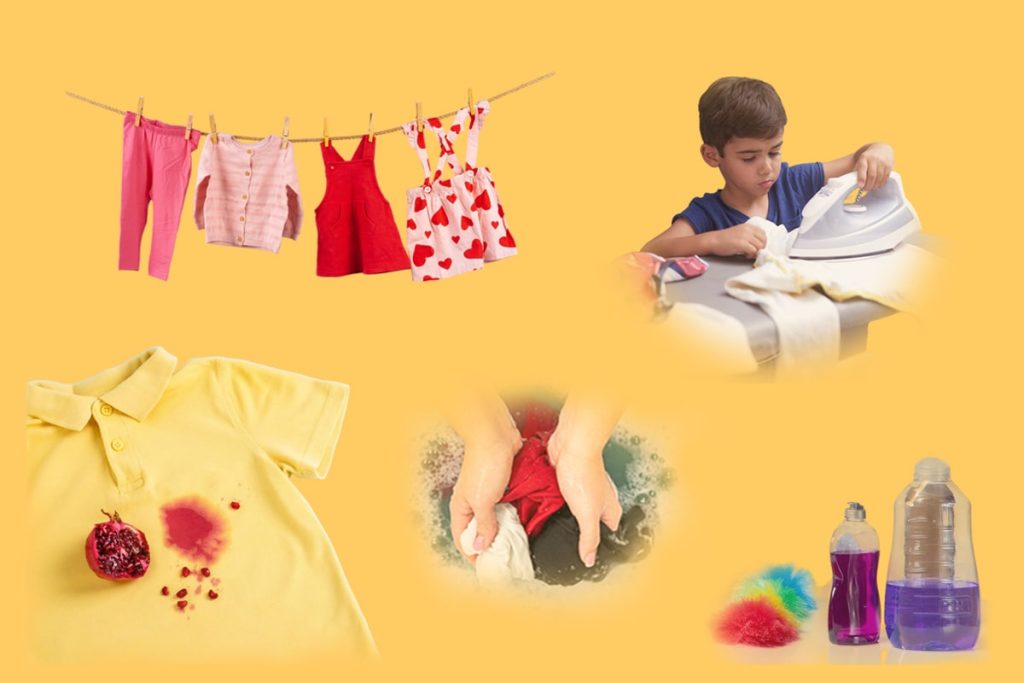
Sometimes kids get really stubborn stains on their clothes making parents struggle. However, knowing the right hacks helps them battle those stubborn stains effectively. Here’s how to deal with common stains on kids attire:
Food Stain: Blot the stain with a paper towel, then wash clothes with cold water and detergent.
Caution: Do not use hot water as it will let protein-based stains (milf or egg spill) set in.
Grass and Mud: Prepare a mixture of vinegar and water in equal parts. Then appy it to the grass stains to pre-treat them before washing. For muddy clothes, wipe the excess mud and soak it in cold water and detergent for a while.
Oil and Grease: Sprinkle baking soda to absorb the excess oil. Then rinse with cold water and apply a tiny amount of mild dish soap. Finally, wash the clothes as soon as possible.
Stain of Ink: To eliminate ink stains, you can apply rubbing alcohol/hand sanitizer and blot the stain gently. Then wash the clothes following the recommended care instructions.
Urine Stain: First, hand wash clothes in cold water mixing white vinegar. The acid-based vinegar will break down the uric acid of urine, ensuring it leaves no lingering smell on baby clothes. However, for the second wash, use regular detergent ad warm water.
Crayon: Dealing with crayon? Scrape off the excess first, then put a paper towel on it, and gently iron over the towel setting it to medium heat. The crayon will melt and get transferred to the paper towel.
Blood: To treat blood stains, use an enzyme-based laundry detergent. Soak the fabric in cold water and detergent. Then wash the clothes as usual.
How to Maintain Organic Kids’ Clothes: Common Mistakes to Avoid
Organic clothing is the new thing in kids’ fashion as they are sustainable, eco-friendly, and gentle on the skin. However, they require expert care to retain size, shape, color, and texture for a long time. Here are some common mistakes parents should be aware of while dealing with kids’ organic wear:
- Washing clothes more frequently than needed: It can affect the fabric texture and make the colors fade faster
- Using too much laundry detergent: Overuse of detergent leaves residues and the clothes need further cleaning to rinse out the excess
- Over-drying baby clothes: Avoid over-drying clothes to protect fabric texture, and most importantly, to keep clothes shrinkage-free
- Hot water for washing: Hot water kills germs and bacteria faster, but it harms delicate fabrics and can ruin kids’ clothes forever. However, you can use hot water for some specific fabrics (check the care instructions)
- Using a dryer: Drying clothes with high heat can break down fabric fiber and lead them to shrinkage. That’s why it’s recommended to go with air drying. Even with the tumbler dry, stick to a low heat setting to retain the quality and softness of organic fabrics.
- Using fabric softener: Some parents ‘use fabric softener when washing their children’s clothes. However, these softeners contain harsh chemicals that can ruin the color and texture of clothes, so avoid using them.
Easy Tips for Busy Parents
Even supermoms get tired of tackling those heavy streams of dirty clothes every week. So, here are some quick tips to make things a little easier;
- Set a steady laundry schedule and stick to it. This will prevent getting those dirty piles get bigger and bigger.
- Don’t let the stain set. Carry wet wipes/stain removers outdoors and apply them to the stains as soon as you notice. This will expedite the clothes-cleaning process.
- Label all the storage bins/containers to find clothes faster, especially on a busy morning of weekdays.
Teach Your Children to Take Care of Their Clothes
One of the best practices of kids’ clothing care is involving your child in the entire process. Encourage them to arrange their wardrobes (when they are eligible to do so). Thus you can develop good practices in kids and develop their organizational skills. A few ways to do so are as follows:
- Teach them to fold clothes and play a game between siblings of folding clothes faster
- Make them play a color game while sorting clothes
- You can let them play a basketball game with the dirty clothes and laundry baskets
- Teach them to read labels and get clothes out of the storage (for older kids)
Frequently Asked Questions (FAQ)
Can I use normal detergent for baby clothes?
Well, you technically can use normal detergent for baby clothes, but it’s not recommended as they contain harsh chemicals, causing the fabric to get damaged and the color to fade faster. Instead, use dedicated detergents for baby clothes that don’t affect either their skin or the quality of their clothing.
How do you disinfect baby clothes?
You can wash baby clothes in hot water adding laundry sanitizer to make them germ-free. However, check the care label first to be sure that hot water won’t ruin the garments by shrinking them. Washing clothes in a baby-safe disinfectant mixed with vinegar also helps remove bacteria and other germs.
What are some natural stain removers?
The list of natural stain removers for baby clothes includes baking soda, vinegar, lemon juice, etc. These readily available ingredients work great for treating different types of stains on kids’ clothes. You just need to follow the right technique for effective stain removal.
Should you wash kids’ clothes after every use?
If it’s summer, make sure you wash kids’ topwear after every use to get rid of the germs and bacteria. However, the bottom wears could be washed after multiple wear if they aren’t stained or sweaty.
What temperature do you wash baby clothes in?
The ideal temperature for washing baby clothes ranges between 30–40°C, and it’s hot enough to remove all sorts of germs, dirt, or dust (unless it’s a heavily soiled fabric nappy).
Hopefully, this guide on how to care for kids’ clothes: washing and maintenance tips help new parents conquer the laundry piles more conveniently. With the right washing and drying hacks, maintaining kids’ clothes is no longer a taxing chore, but rather a fun and exciting task that ensures your kids wear clean, comfortable, and well-maintained outfits. Seeing those little pumpkins smile and shine bright in neat, clean, and vibrant attire is surely a blessing for parents; and only the right approach to washing, drying, ironing, folding, and organizing clothes can ensure that kids’ clothes remain in top-notch shapes for years to come.
Need a quick tip? Break down those big dirty piles into small laundry loads to minimize the hassle. Also, involve your little one in the wardrobe organization and make the process more fun.


Leave a Reply