

How long do babies stay in newborn clothes? Most babies wear them for just 3 to 6 weeks depending on birth weight.If your baby weighs under 6 pounds, newborn sizes will last about 6 to 8 weeks. Babies heavier than 8 pounds often outgrow newborn clothes so fast they skip the size altogether. Investing in 0-3 month sizes makes much more sense financially.
In This Article
Many expecting parents find themselves standing in baby stores like Babyshop at City Centre, completely mesmerized by tiny newborn outfits. Those little dresses and onesies are absolutely precious: the miniature socks, the adorable footie pajamas make every expecting parent’s heart skip a beat. It’s easy to go overboard and fill up the nursery closet. Then the baby arrives and outgrows everything within three weeks, leaving adorable outfits with tags still on, never even worn.
Those tiny newborn outfits are absolutely precious. But before filling up your cart with every cute newborn outfit, there’s something important to know.
Most babies outgrow newborn clothes faster than expected. Way faster. We’re talking weeks, not months. Understanding how long newborn clothes last will save money and a lot of frustration.
Once you know what to buy, there’s no more guessing. You’ll know exactly what to buy, when to buy it, and when your baby is ready for the next size up.
How Long Newborn Clothes Last
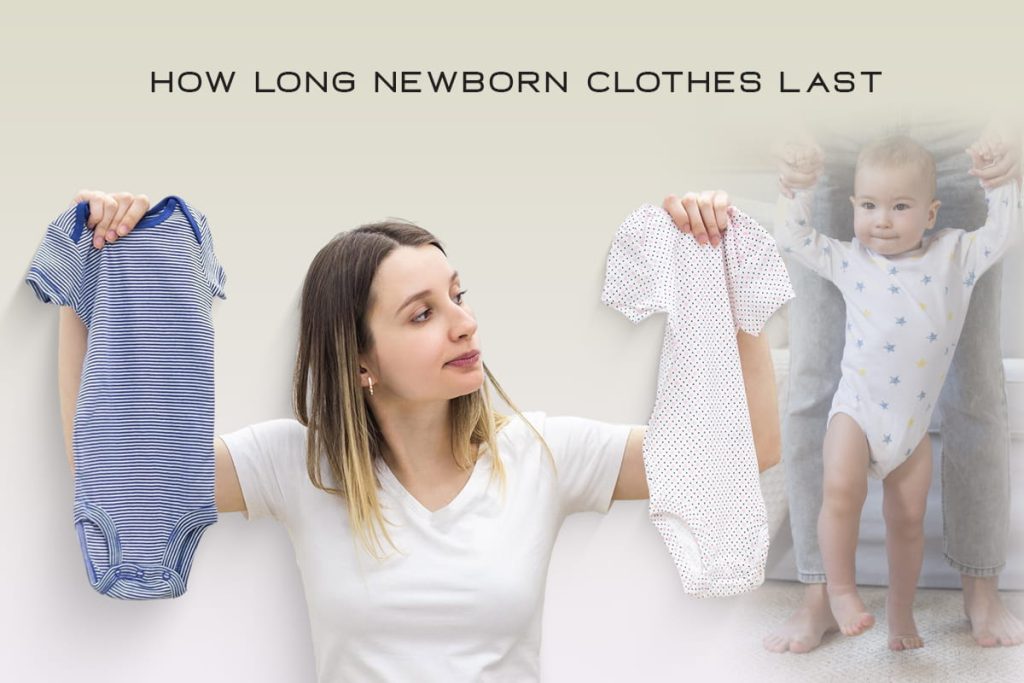
A baby’s birth weight tells you almost everything you need to know about how long newborn clothes will fit. It’s the best way to predict whether you’ll get weeks or days out of those tiny outfits.
Babies under 6 pounds will get the most wear out of newborn clothes, usually about 6 to 8 weeks. Many parents with smaller babies find that preemie sizes work for the first month, then newborn clothes fit around week 4. Every single newborn outfit gets worn, which makes the purchase worthwhile.
Most babies are around 6 to 8 pounds when born, and they’ll wear newborn clothes for about 3 to 5 weeks. Growth happens incredibly fast during this period. One week the sleepers fit perfectly, the next week baby’s toes are pushing out the bottom.
Babies over 8 pounds won’t get much wear from newborn sizes at all. You might get 1 to 3 weeks if you’re lucky. Some 9-pound babies go home from the hospital in 0-3 month clothes because nothing in newborn will even close around their chunky little belly. This leaves bags of unworn newborn clothes that end up being given away.
Brand sizing is incredibly annoying. Carter’s onesies and Gerber pants in the same size fit completely differently. The Carter’s fits perfectly, but the Gerber pants are so small they won’t even go over a diaper. Gerber runs tiny compared to most brands, while H&M tends to run bigger. Always check those weight ranges on the tags because they’re way more reliable than the size labels.
The 0-3 months size fits babies from 8 to 13 pounds, and most babies wear this size for 2 to 3 months. When thinking about all the money wasted on newborn clothes that barely got worn, it’s clear that the budget should go toward 0-3 month sizes instead.
Signs Your Baby Has Outgrown Newborn Clothes
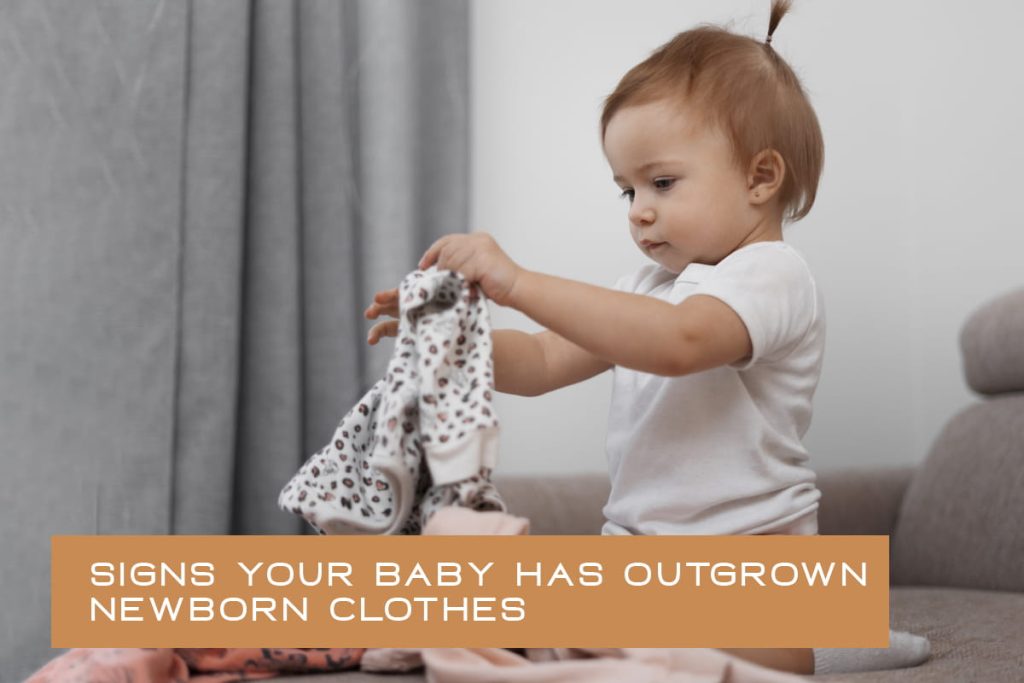
Your baby can’t tell you when their clothes are getting too small, but you’ll notice pretty quickly when it happens.
The most obvious sign is when those bottom snaps on onesies won’t meet anymore. The fabric pulls tight and you can barely get them fastened. You’ll also see sleeves that suddenly look too short, or pants that show too much ankle.
Check for red marks after you undress your baby. If you see lines around their waist, thighs, or arms, the clothes are too snug. Baby clothes should never leave marks on their skin.
Dressing becomes more difficult too. Your baby might get fussier when you’re changing them because cramped clothes make them uncomfortable. If getting a shirt on feels like a struggle, or you’re always adjusting fabric to make things fit, it’s time to size up.
Footed pajamas are easy to check. Look for toe prints pushing against the fabric, or toes that seem curled up inside. Onesies that keep riding up throughout the day are another sign.
When you start seeing these problems, move to the next size. Clothes that don’t fit properly make babies cranky and make your daily routine harder.
Mistakes New Moms Make with Newborn Clothes
Every new mom makes clothing mistakes. Learning from these common errors can help you shop much smarter from the start.
The biggest mistake is buying too many newborn outfits. Baby shower gifts are amazing, but they add up fast, and suddenly there are 20 newborn onesies but only 3 weeks to use them. Most moms end up with drawers full of unworn newborn clothes with tags still attached.
Another common mistake is buying clothes based on age ranges instead of weight. A “newborn” size doesn’t fit all newborns. It fits babies up to 8 pounds and 21.5 inches long. If your baby is bigger than this at birth, newborn clothes won’t fit no matter what the age label says.
Ignoring brand differences leads to sizing surprises too. Buying H&M and Old Navy outfits in the same size only to find the H&M pieces were way too small while Old Navy fit perfectly shows how important it is. Every brand fits differently, which is why checking the weight ranges on tags is so important.
Not planning for rapid growth catches many moms off guard. Babies can gain 5 to 7 ounces per week during their first months. That cute outfit that fits perfectly today might be too small next week. It happens faster than expected.
Many parents don’t prepare for how much laundry newborns actually create. They spit up, have diaper blowouts, and somehow manage to get stains on everything. You need enough clothes to handle multiple outfit changes per day, plus time for washing and drying.
Finally, many moms don’t have the next size ready. When your baby outgrows their current clothes, it often happens suddenly. Having 0-3 month clothes washed and ready prevents those panic shopping trips when nothing fits anymore.
How Many Newborn Clothes You Need
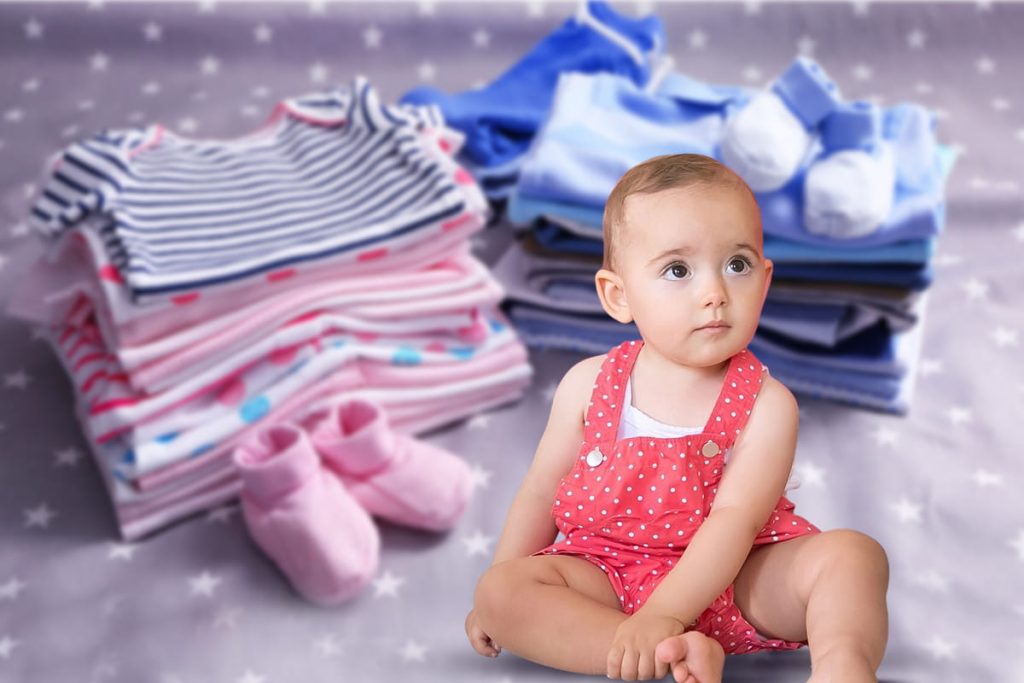
Less is more when it comes to newborn clothes. Starting with just 5 to 7 newborn pieces gives you enough for a few days if your baby happens to be on the smaller side, and you won’t feel terrible if they outgrow everything in two weeks.
For newborn sizes, about 5 onesies, 3 sleepers, and maybe 2 pairs of pants if you’re having a winter baby is suggested. This covers basic needs for daily outfit changes plus gives backup pieces for those inevitable accidents. Summer babies don’t need as many layers, so you could skip the pants and grab a couple extra onesies instead.
Where most of the money should go is in 0-3 month clothes. Getting 8 to 10 onesies, 6 to 8 sleepers, and 4 to 6 pants in this size makes so much more sense. Your baby will wear 0-3 months for much longer than newborn, so you’ll actually get your money’s worth from these pieces.
If you’re expecting twins, buying even less in newborn sizes makes sense. Most twins are born smaller than single babies, so they might wear newborn clothes for several weeks. But they also grow quickly, and some might skip the newborn size entirely if they’re bigger than expected. Since you’re buying double of everything anyway, keeping newborn purchases minimal is smart.
Premature babies are completely different. Preemie sizes fit babies up to 5 pounds, and these little ones might wear newborn clothes for months instead of weeks. If your baby arrives early, you’ll have plenty of time to figure out what sizes you need once you see how they’re growing.
One thing that saves money is keeping all receipts and tags on new clothes. Many babies never wear certain sizes, so being able to return unused items keeps your budget and closet space under control.
Why Your Clothing Choices Matter for Diaper Disasters
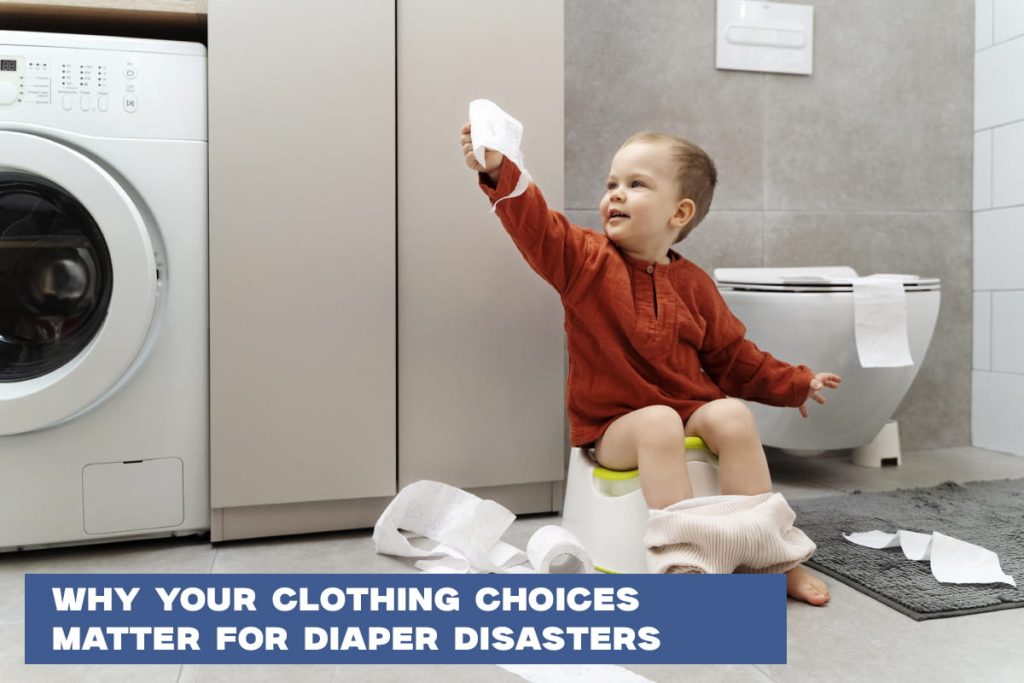
If you think diaper blowouts won’t happen to you, think again. Every newborn has them, and the clothes you choose can make cleaning up so much easier or turn it into a complete nightmare.
You know those onesies with the wide necklines that look a bit loose around the shoulders? Those are lifesavers during blowouts. When there’s a mess that goes all the way up your baby’s back, you can pull the shirt down over their shoulders and off their body instead of pulling it up over their head.
Snap closures at the crotch are your friend during diaper changes. They’re so much faster and easier than dealing with a bunch of buttons or complicated fastenings. Simple works best when you’re dealing with a squirmy baby with a messy diaper.
Two-piece outfits save you so much laundry compared to those cute one-piece rompers. When just the shirt gets dirty, you only need to change the shirt. But when a romper gets messy, the whole outfit has to go in the hamper.
Diaper size can change how clothes fit too. Those chunky overnight diapers or when you size up in diapers can make pants and onesies fit completely differently. Some brands are better about leaving extra room around the diaper area, which helps when your baby moves up diaper sizes but isn’t quite ready for bigger clothes yet.
Having extra outfits in your diaper bag after dealing with a blowout at the grocery store or other public places means you don’t have to cut short your trip or rush home for a complete outfit change.
Cotton is perfect because it’s soft on your baby’s skin and doesn’t fall apart after dozens of washes. Avoid fabrics that need special treatment or careful handling. Baby clothes get washed so frequently that anything delicate will fall apart quickly.
FAQs
How long will a baby be in newborn clothes?
Most babies wear newborn clothes for 3 to 6 weeks. Small babies under 6 pounds might wear them for up to 8 weeks, while babies over 8 pounds could outgrow them in just 1 to 2 weeks or skip the size completely.
When to stop buying newborn clothes?
Stop buying newborn clothes once you have about 5 to 7 pieces total. Put your money toward 0-3 month clothes instead – your baby will actually wear those long enough to be worth it. If people want to buy gifts, suggest 0-3 or 3-6 month sizes.
Are 0-3 and 3 months the same?
No, they’re different sizes. 0-3 months fits babies from 8 to 13 pounds, while 3 months fits babies from 12 to 17 pounds. The 0-3 month size is great because it bridges that gap between newborn and 3 months, so you get more use out of it.
When you’re picking out clothes for your newborn, stick with natural fabrics like cotton. Cotton is soft, breathable, and gentle on your baby’s delicate skin. Plus it gets softer every time you wash it, which is great because newborn laundry never ends. Avoid synthetic fabrics that don’t breathe or anything that requires special care.
For washing newborn clothes, use gentle, fragrance-free detergent designed for babies. Wash everything before your baby wears it to remove any chemicals from manufacturing. Get to stains as soon as you can, if you let them sit, they’re impossible to get out later.
Most babies wear newborn clothes for just 3 to 6 weeks depending on their birth weight. Put most of your shopping budget toward 0-3 month clothes since your baby will wear those much longer. Start small with newborn sizes and focus on comfortable basics that make your life easier during those busy first weeks.

Leave a Reply