


The list of best baby winter clothes includes long-sleeve onesies/shirts, sleepers, pajamas, jackets, insulated sweaters, warm winter coats, waterproof snowsuits/overalls, etc.
However, the secret of the right cold-weather clothing is all about expert layering. A comfortable base layer, insulated mid-layer, and weatherproof outer layer ensure optimal warmth and breathability for babies. Also, pay close attention to varying temperature ranges, fabric choices, fits, and sizes to keep your little one happy, healthy, and well-dressed.
In This Article
The magical winter is here. And it’s time to make memories for the rest of the year. But things are not that easy if you are a new mom-to-be, or already have kids (newborns, infants, or toddlers) at home. More than anything, you should be concerned about your child’s safety, ensuring they are in the right attire, offering them both warmth and comfort.
So, what are the best baby winter clothes to keep them winter-ready? Onesies, jackets, sleepers, sweaters, or long-sleeved bodysuits?
The good news is, there are plenty of choices. And the bad news? There’s no one-size-fits-all solution. You need to rely on multiple layers to let your little warrior fight the chilly December winds.
Days or nights, indoors or outdoors, you need to be extra careful to set up your precious pumpkin’s winter wardrobe, where meticulous layering is the key.
However, with a few tips combined with proper planning and effort, even new parents can master the art of baby winter clothing, and pick the perfect babywear to keep their kids dry, snug, and cozy throughout the season.
Deciding on the Perfect Babywear for Winter
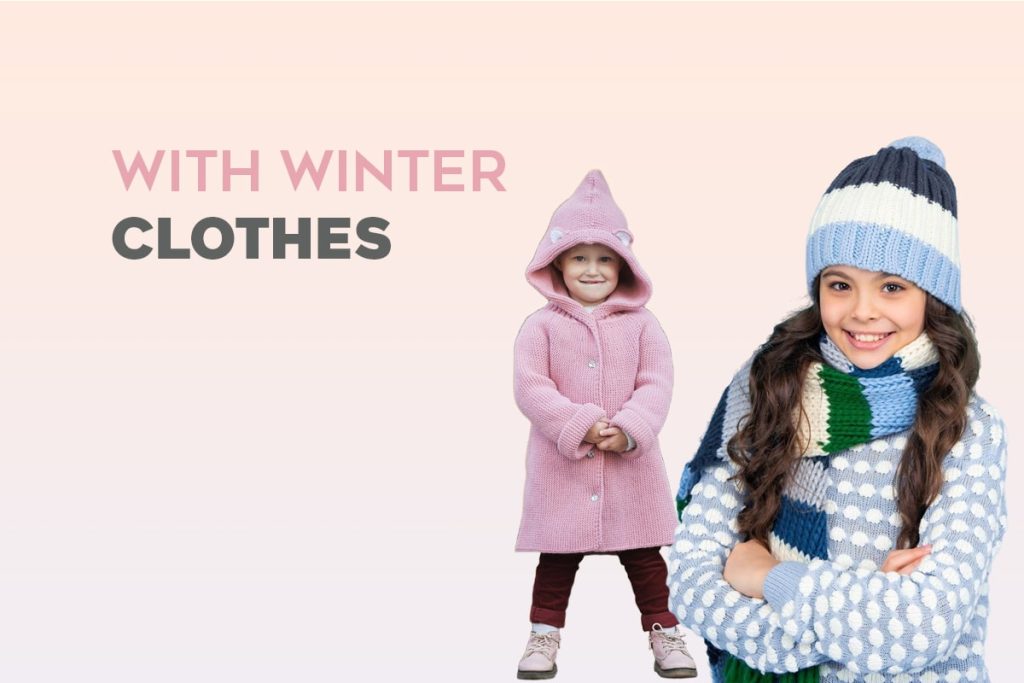
While deciding on the best baby winter dress, keep the following things in mind:
Age: Baby winter wear should always be age-appropriate. For example, a 1-year-old baby’s winter clothes will be different from newborn baby clothes, as newborns are more vulnerable to changing weather conditions.
Activity level: Observe your kid’s activity level to decide how many layers they need. The more active they are, the fewer layers they require.
Weather Conditions: Fluctuations in humidity and temperature play a vital role in deciding the right winter clothing. Indoors or outdoors, during a quick winter stroll or a cozy snuggling session at home, babies need one more layering than yours.
The Rules of Layering: Key to Effective Winter Clothing
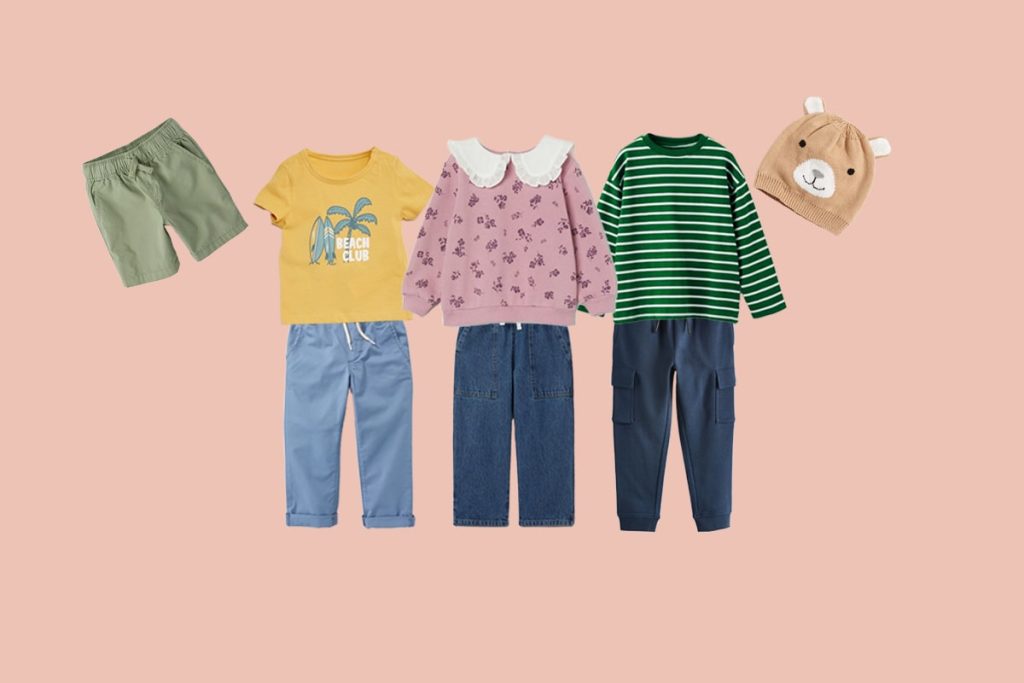
Why is layering so important for babies? Because, unlike adults, they are unable to regulate body temperature on their own and, therefore, lose heat faster. Multiple thin layers trap more air and provide better insulation to ensure optimal winter warmth. Also, it’s easier to add or remove layers following temperature changes.
Here’s the famous three-layer system for first-time parents that works wonderfully well in a baby’s winter dressing:
Base Layer: The base or next-to-skin layer is the most important for dressing your baby in colder months. A soft onesie or a long-sleeved shirt is a good start to wick away moisture without harming their delicate skin.
Mid Layer: For the mid/ insulation layer, lightweight fleece jackets, knitted sweaters, etc., are popular choices to trap warmth inside while keeping your kids dry, snug, and comfortable. You can add multiple layers in the middle if needed.
Outer Layer: Add an outer layer of cloth to protect your child from rain, wind, or snow. Naturally, it needs to be weatherproof with added insulation. Waterproof coats, snowsuits, or overalls are some of the best deals in this field.
Must-Have Baby Winter Clothes (Approved by Moms)
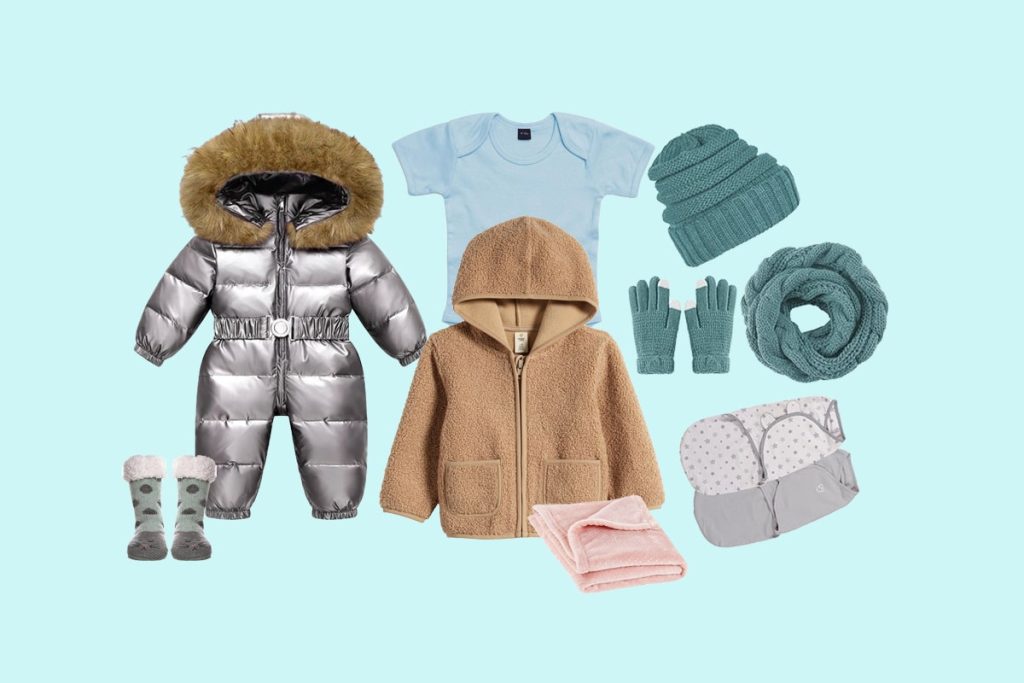
It’s quite common for new parents to get overwhelmed while picking dresses for winter babies. Well, it’s indeed a bit confusing, but the following list covers pretty much everything you need to protect your little bundle of joy from the crisp winter winds.
Cotton Bodysuits/ Onesies
A soft cotton bodysuit or onesie is a classic choice to keep the base layer breathable, comfortable, and temperature regulating. Go for long-sleeved ones for babies to keep the sneaky winter chills at bay.
Fleece Jackets/ Jumpsuits
Lightweight fleece jackets or jumpsuits are naturally insulating and, therefore, offer perfect protection in colder months.
Waterproof Snowsuits
Ditch the after-pregnancy woes and enjoy snowfall with your little one this winter. A hooded waterproof snowsuit is a lifesaver for parents while carrying babies out in the snow/ rain, sealing moisture and wind completely.
Sweaters/ Cardigans
Knitted sweaters or cozy cardigans make exceptional mid-layer choices for kids. Pair them over onesies and under snowsuits in colder months and enjoy the chilly weather outside.
Pro Tip: Go for polyester or down-filled snowsuits to ensure superior insulation.
Thick Socks
Use thick and warm socks inside your baby’s winter footwear to keep the chill away. Fleece or wool socks are excellent choices for those tiny toes’ protection.
Blankets
Carrying your baby in the car? You can always carry a blanket to add extra warmth. However, avoid using loose blankets when the baby is asleep (for safety issues). Thankfully, there are custom car seat blankets that are safe.
Neck Warmer
For older babies, adding a scarf or neck warmer is a wise decision to protect their chest and neck. Remember, the material should be soft, breathable, and comfortable. And this is not for newborns (for safety concerns).
Thermal Leggings
To ensure sleeping comfort, thermal leggings or pajamas are the best. With warm-footed pajamas, your baby gets quality sleep, whether it’s day or night.
Winter Hats
Don’t forget the heads and ears. Babies lose a lot of heat through their heads. Make sure to use a hat that covers the ears while keeping moisture away.
A soft, breathable baby hat makes a huge difference in heat retention.
Mittens/Gloves
Adding mittens or soft hand gloves can never go wrong to protect those tiny fingers in freezing weather conditions.
Sleeping bags/ Sleep sacks
A safer alternative for blankets without posing the risk of covering the baby’s ears or face. Sleep sacks with adjustable lengths are particularly mom’s favorite as they keep growing with babies.
Flawless Winter Wardrobe for Kids: Things to Consider
Whether it’s your first, second, or third winter with kids, don’t just rush and buy whatever you get. There are some crucial aspects to consider before planning your baby’s winter wardrobe.
Focus on Fabrics
Your baby is tender, and so is their skin. So, baby winter dresses should be soft and comfortable. Lightweight and breathable fabrics, cotton or fleece, for example, provide adequate warmth while preventing overheating.
On the other hand, down/wool/synthetic fabrics offer added insulation without compromising comfort.
Weatherproof Material
Winter these days often involves rain and snow. And supermoms always prefer waterproof and windproof materials as their kids’ outwear. Be it an adventurous outing in the snowfall or a short walk in rainy weather, weatherproof babywear keeps you worry-free while carrying your kid outdoors.
Size and Fit
Another crucial consideration for babywear is sizing. The fitting should be snug yet comfortable, not too loose to get them tangled, and not too tight to restrict the blood flow. It’s always better to size up a bit for baby winter wear as you need to pair them in different layers.
Pro Tip: Babies grow pretty fast, so make sure to check on their fits on a regular basis.
Ease of Use
Babies need a lot more clothes than adults, therefore ease of use is important. Babywear with zippers or snaps is handy when it comes to frequent outfit changes. Also, they are more preferable for a quick diaper change.
Easy Maintenance
Winter clothes tend to get dirty pretty quickly, and it’s even worse for babywear since babies are messier than adults. So, go for kids’ clothes that are machine washable without requiring any special care.
Best Materials for Babies in Winter
A quick breakdown of the most suitable materials for winter baby clothes is as follows:
| Material | Description |
| Wool | A natural insulator with excellent moisture-wicking ability to keep babies warm and dry. |
| Fleece | Soft synthetic fabric, well known for its lightweight and quick-drying nature. |
| Cotton | Soft, breathable, and easy to care fabric. Especially good for the inner layer. |
| Down | Exceptionally warm and insulating, particularly used in heavy winter clothes. |
Baby Winter Clothing Based on Different Weather Conditions
As explained above, baby winter wear should follow varying weather conditions as in temperature, humidity, and wind chill of a particular environment. Ideal layering for different weather conditions is as follows-
Regular Winter Conditions (Above 32°F/ 0°C)
- Base layer: Cotton onesie/ shirt
- Mid layer: Lightweight sweater
- Outer layer: Winter jacket
Moderate Winter Conditions (Between -5°C/23°F and 0°C/32°F)
- Base layer: Cotton/merino wool onesie
- Mid layer: Fleece jacket and/or insulated sweater
- Outer layer: Waterproof jackets, pants, or snowsuits
- Additional: Hats, socks, gloves/mittens
Severe Winter Conditions (Below -5°C/23°F)
- Base layer: Long sleeve wool onesie/Silk thermal bodysuit
- Mid layer: Insulated jacket, sweater, and vest
- Outer layer: Heavily insulated, waterproof snowsuit/overall
- Additional: Warm winter hat, socks and booties, thick wool mittens, and a warm blanket
Safety Tips for Winter Baby Care
Here are a few additional tips to keep your infant safe during winter:
- Keep a keen eye on their body temperature. Gently check their neck to feel the warmth. It should be comfortably warm, neither too hot nor too cold.
- Underdressing is better than overdressing. Too many layers trap more heat to make them uncomfortable.
- Avoid using loose blankets for babies. It might lead to unwanted events like covering their faces.
- While traveling in a car, warm it up first and then remove a layer or two to let your baby breathe comfortably.
- Avoid using a hat on a sleeping baby.
- Don’t dress kids in bulky layers while carrying them in cars, strollers, or carriers.
FAQs
How many layers does a baby need in winter?
Babies should wear one more layer than adults in colder months. You can follow the basic three-layering system to keep them warm and add more if needed. Make sure you check their back and tummy to feel whether they are overdressed or underdressed.
How do you dress a baby for winter sleep?
Dressing a baby for winter sleep is tricky, especially for new parents. You should opt for soft and breathable materials to avoid overheating. Adjustable sleeping bags, sleep sacks, or blankets are ideal choices to keep your infants warm in colder environments. However, they must be snug and temperature-regulating to avoid Sudden Infant Death Syndrome (SIDS).
What do babies wear on feet in winter?
In colder months, babies should wear thick socks inside their winter footwear. While dressing their kids in winter, most parents focus on insulated jackets or coats but forget about the feet. To protect their tiny toes, you can go for soft winter socks and booties.
For indoors, a pair of footed pants would suffice under a warm blanket.
How do you dress a newborn in winter from the hospital?
On your way back from the hospital, your newborn should be dressed in a soft cotton onesie as the base; lightweight, insulating two-pieces as the mid layer; and a sweater/cardigan as the third layer (applicable for extreme winter). For heads and feet, you can use snug-fitting hats and socks, respectively. Finally, wrap them snugly with a warm blanket and head back home.
What fabrics are safe for babies?
Natural and organic fabrics are the safest for babywear. Lightweight, soft, comfortable, and hypoallergenic clothing suits their delicate skin the best. However, you should avoid polyester or synthetic materials while shopping for winter clothes for your baby girl or boy.
In terms of baby winter clothes, it’s always quality over quantity. Instead of shopping for a lot of babywear, go for clothes that are practical and easy to maintain. Though babies need more winter clothes than adults, you can still save some bucks by planning their wardrobe meticulously. Shop for cotton, fleece, and merino wool outfits that are baby-safe. Also, layer them up in proven ways to avoid mishaps.
Remember, you cannot mother your child alone. That’s why following expert recommendations is suggested rather than experimenting with your child’s winter wear.

[…] Fabric: Kids need cozy comfort in winter. Therefore, choose winter clothes made from cotton blends, fleece, or merino wool to ensure optimal warmth and […]
[…] durable options than the child who prefers quiet indoor activities. The most successful UAE winter wardrobe adapts to your unique family’s way of experiencing this beautiful […]