
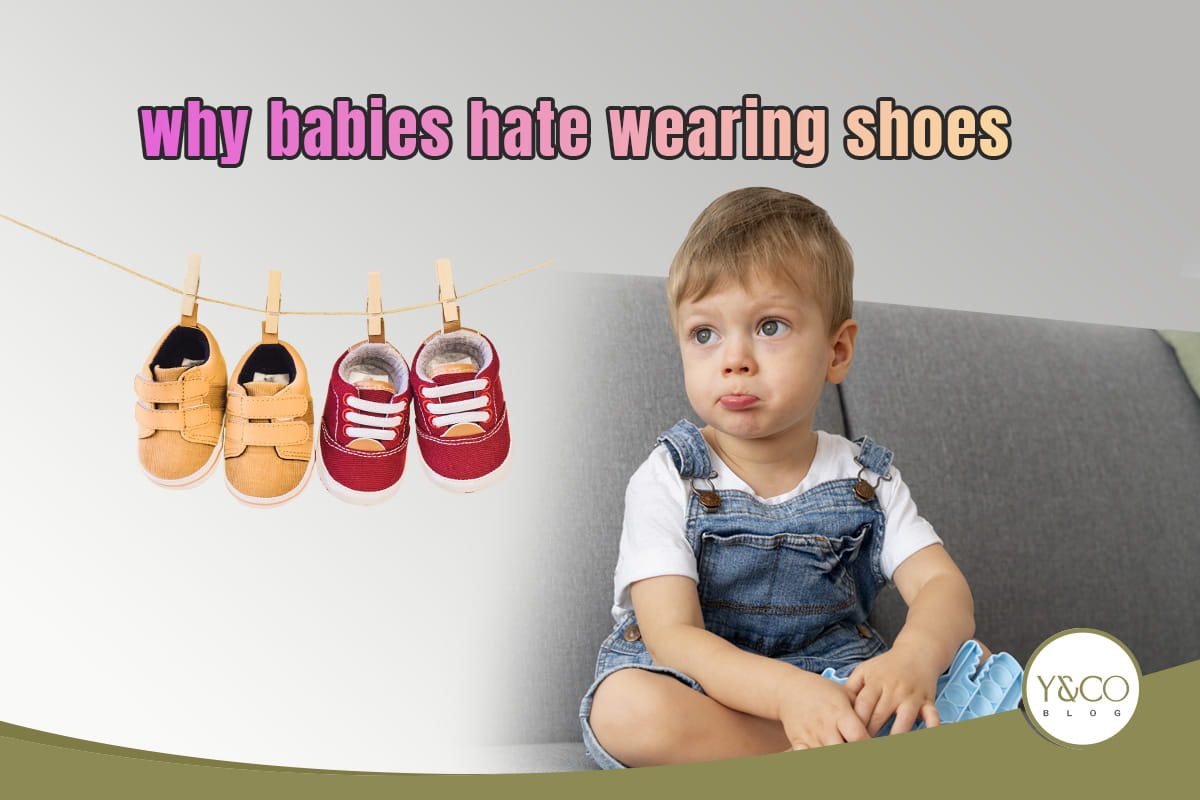

Why babies hate wearing shoes comes down to one simple thing: their bare feet are connected to everything happening around them. Your baby’s feet are super sensitive, and they’re constantly learning how things feel. They feel the ground, sense if it’s hot or cold, and use all that to learn how to balance and move. Shoes cut them off from all of that.
In This Article
You’re getting ready to leave the house. Your baby looks adorable in their little outfit. You grab those cute, tiny shoes and slip them on. Two seconds later, they’re on the floor. Your baby’s feet are bare again.
Most moms deal with this daily struggle. Your little one seems happy and calm until those shoes come out. Then the fussing starts. Your baby cries, kicks constantly, and within seconds, those shoes are flying across the room. You start wondering if your baby just hates getting dressed or if something else is going on.
Actually, babies naturally prefer being barefoot. To them, shoes feel unnecessary and uncomfortable. From your baby’s perspective, bare feet just feel right. They’ve spent months crawling and walking with nothing on their feet, so shoes are basically a foreign object. Throwing shoes into the mix completely throws off everything they’ve learned about moving around.
So what’s really going on when your baby hates wearing shoes so much? Let’s dig into it.
Why Babies Hate Wearing Shoes
Their Feet Need to Feel Everything
Your baby’s feet are basically their way of understanding the world right now. When they step on carpet, tile, or grass, their feet are picking up tons of information: texture, temperature, and how to stay balanced. You probably don’t even notice it going on.
Shoes cut off all of that. Your baby loses that connection to what’s underneath them, which throws off everything they know about how to move safely. That’s a big deal when they’re still figuring out walking.
Why Shoes Feel So Uncomfortable
Everything Feels Different to Babies
Some babies are more sensitive than others. What feels fine to you might feel overwhelming to them. The fabric inside shoes, the way they fit around the ankle, or even how they change the way walking feels can be too much.
For babies, even the softest shoe lining can feel bothersome. Their skin is more sensitive, and they haven’t gotten used to wearing things on their feet yet.
Many babies also don’t like how shoes change their balance. They’ve learned to walk by feeling the ground directly. Suddenly, there’s this thick sole between them and the floor, making everything feel unstable.
How to Tell Shoes Are the Problem
You know your baby better than anyone, so you’ll quickly notice when something’s bothering them. If your little one starts getting upset the moment they see you reaching for their shoes, that’s your first clue.
Some babies will literally try to crawl away when they spot those shoes coming their way. They remember how uncomfortable shoes felt before.
Once you manage to get the shoes on, watch what happens next. Does your baby immediately start tugging at them or plopping down to mess with their feet?
That’s not normal curiosity – that’s them trying to fix something that feels wrong. When you finally take the shoes off, take a quick look at their feet.
You might see red spots where seams rubbed, little dents from straps, or just generally sweaty, unhappy-looking feet.
The most telling sign is watching how your baby moves and acts. A baby who walks confidently and plays happily barefoot but suddenly becomes fussy, unsteady, or won’t walk at all in shoes is giving you a clear message. You might see them walking on their tiptoes, favoring one foot, or just sitting down more often because moving around feels harder with shoes on.
Poor Quality of Shoes
Many moms think baby shoes are just for looking cute in photos, so they don’t want to spend too much money on them. Since babies outgrow everything so quickly, many moms don’t want to spend much. But those cheaper options often come with quality issues that make your baby even more uncomfortable.
You might not notice the problems at first, but your baby definitely will. The inside seams can feel rough and scratchy against their soft skin. The materials don’t let air through, making their feet hot and sweaty within minutes. Some have that chemical smell from manufacturing. This can be pretty overwhelming for a baby’s sensitive nose.
The way cheaper shoes are put together creates other problems, too. Sometimes the bottom isn’t glued on properly. This leaves bumps and ridges inside that poke your baby’s feet. The shape is often completely wrong for how baby feet actually look. They might be too narrow, where the little toes need room to spread. Or they’re too tight around the ankle.
Even the weight can be off. Some have heavy decorations or thick padding in weird places that make walking feel clunky and unnatural. Others are so thin they don’t protect from anything. This defeats the whole purpose of wearing shoes in the first place.
Don’t think expensive automatically means better, though. Just because a shoe costs more doesn’t mean it’s better. A lot of expensive baby shoes are basically designed to look good in photos, not to actually feel comfortable on your baby’s feet. What you really need are shoes built with babies in mind, not just shrunken-down versions of grown up shoes thrown at kids. But remember, even the best shoes aren’t needed most of the time. Bare feet are still what’s best for your baby.
What Experts Actually Recommend
Doctors Say Skip the Shoes
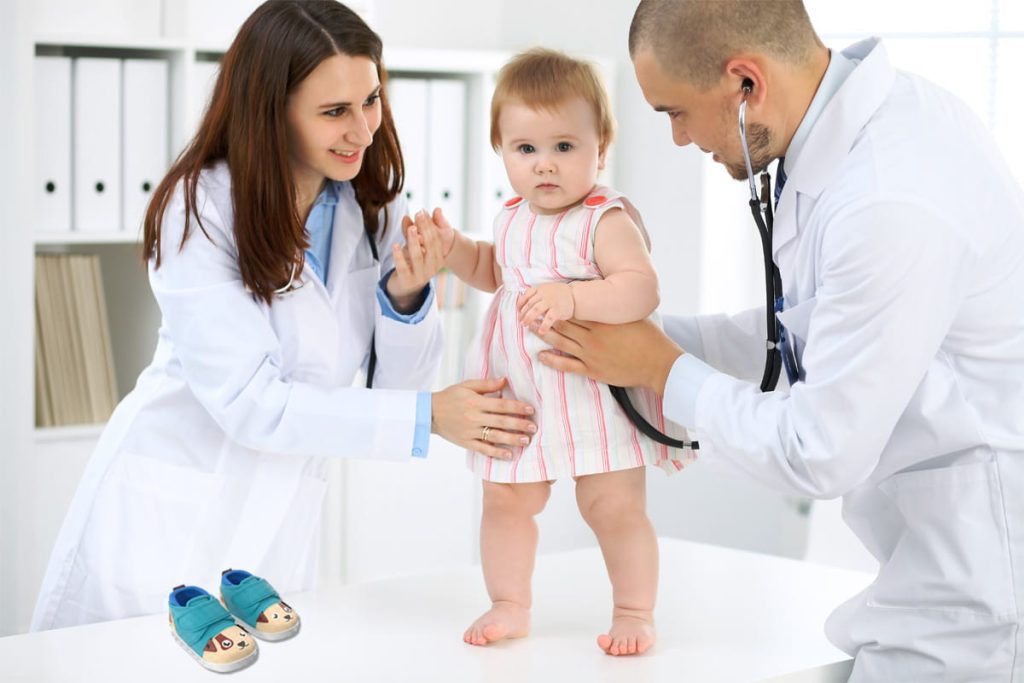
Most pediatricians tell parents the same thing: let your baby go barefoot as much as you can. The American Academy of Pediatrics clearly states that baby feet develop better without shoes.
When your baby walks barefoot, all those tiny foot muscles have to work. This makes them stronger over time. But when shoes do some of that work, those muscles don’t develop as well as they should. The muscles in your baby’s feet need practice to get strong.
A 2017 study published in Frontiers in Pediatrics followed over 800 children and found that those who spent more time barefoot during early development had significantly better balance and motor skills.
Similarly, research comparing 2,300 children in India found that those who grew up primarily barefoot had far fewer foot deformities like flat feet and toe problems.
In places where kids don’t wear shoes until they’re older, foot problems are much less common. Things like flat feet, bunions, and toe issues rarely happen when children develop naturally without early shoe wearing.
When Protection Actually Becomes Important
So, when do shoes actually become necessary?
Shoes really just have one main purpose, which is to protect your baby’s feet from things that could hurt them or make them too cold.
Shoes won’t make your baby walk better or develop faster. They might actually slow things down if you introduce them too early.
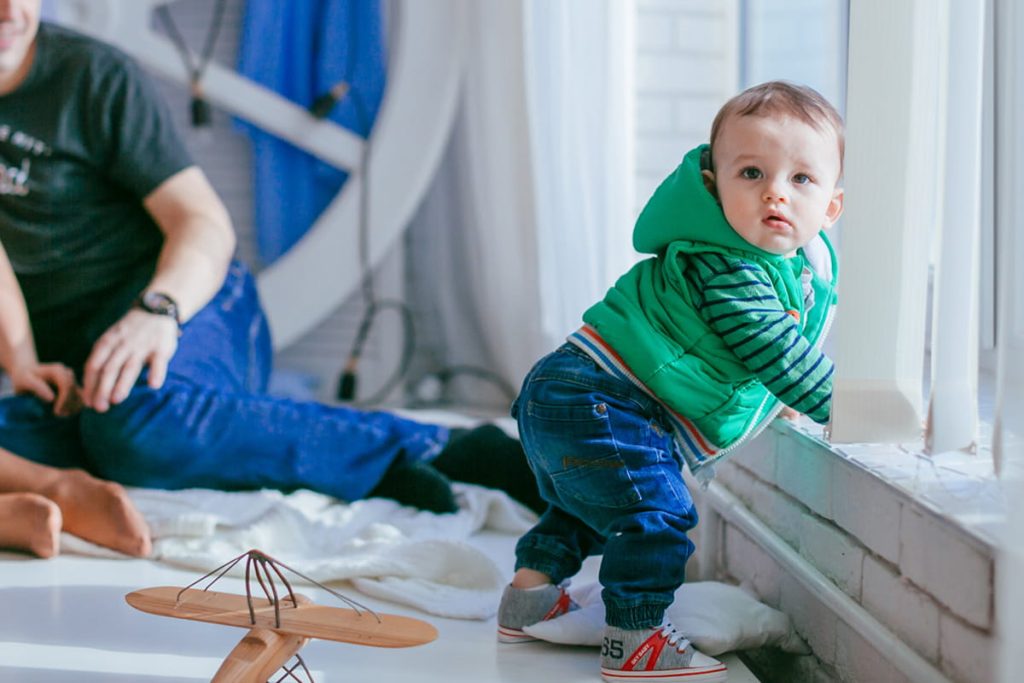
Most pediatricians say the same thing: wait until your baby has been walking confidently for about a month before you start using shoes regularly. Before that, they’re still figuring out their balance and how their feet work. Shoes just get in the way during this learning phase. Even once they’re walking well, shoes are really just for when you’re outside. They protect against rough pavement, hot sand, cold concrete, or anywhere there might be something sharp. Inside your house, bare feet are still the way to go. Inside your house, barefoot is still the way to go most of the time.
When you do need to make the transition, start slowly. Put shoes on for just short periods at first – maybe 10 or 15 minutes while you’re getting ready to go out.
Let your baby get used to the feeling without making it a big issue. You can even try socks with rubber grips on the bottom as a middle step. They give some protection and traction but still let feet feel more natural than full shoes.
When you absolutely need shoes, these tips will help you choose better ones.
Choosing Baby Shoes That Work
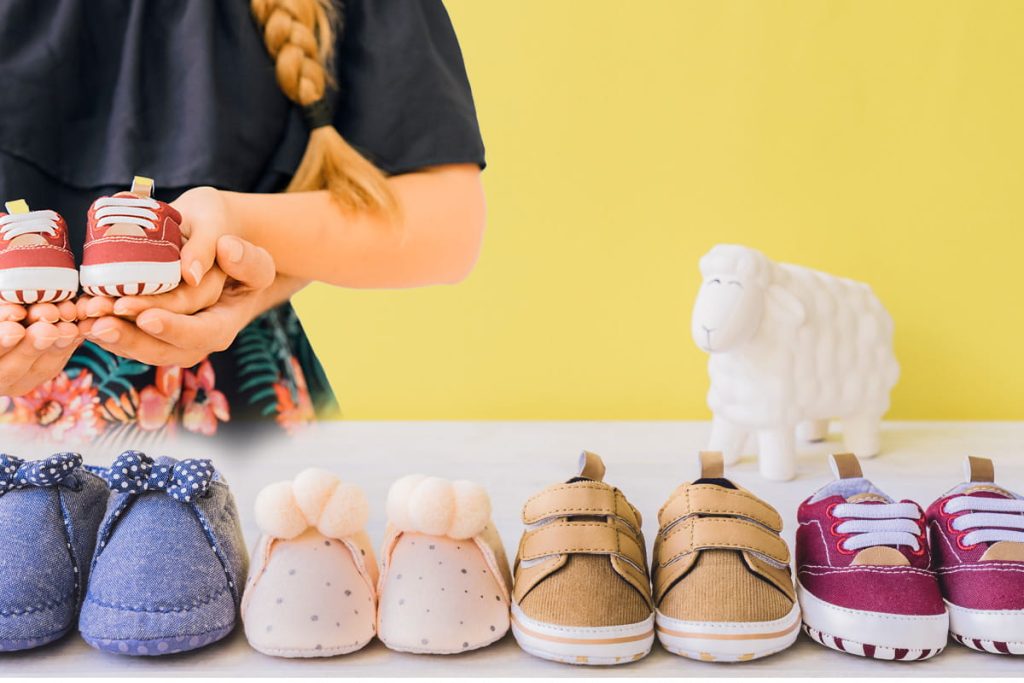
How to Choose the Right Shoes
When you really do need shoes, look for ones that bend easily as your baby’s foot does. You should be able to fold them in half without much effort. Hard, stiff shoes just make everything harder when your baby is trying to walk and will likely end up kicked off within minutes.
Stay away from shoes with any kind of heel or lots of decorations. Those pretty beaded shoes might look adorable in photos, but they’re heavy and uncomfortable for actual walking. Simple is always better. Plain sandals or slip-on shoes work great because there’s less stuff to bother your baby. The fewer straps, buckles, and decorative elements, the more comfortable your little one will be.
Material choice makes a huge difference in whether your baby will tolerate shoes. Leather or canvas shoes feel much nicer against their skin than plastic ones that make feet hot and sweaty within minutes.
Breathable materials help prevent that uncomfortable, sticky feeling that makes babies want to rip their shoes off immediately.
Skip shoes with arch support. Babies’ feet are naturally flat, and that’s totally normal. Adding artificial arch support can actually interfere with proper foot development.
Shopping with your baby makes everything so much easier if you can manage it. Every baby’s feet are different. What works great for one kid might be totally uncomfortable for another. That’s why you really can’t just buy shoes based on what worked for your friend’s baby.
Let your little one try walking around the store for a few minutes if possible. You’ll see right away if the shoes are bothering them. They’ll either walk normally or start that telltale fussy, unsteady walk that means the shoes need to go.
Don’t get caught up in buying shoes that will last forever or look perfect in every photo. Your baby’s feet grow incredibly fast, so even expensive, durable shoes might only fit for a couple of months anyway.
Sometimes a simple, cheaper option works much better than fancy ones loaded with features your baby doesn’t need. Focus on comfort and fit over brand names or how cute they look.
Think about practical details that make your life easier, too. Velcro straps work wonderfully when you’re dealing with a wiggly baby who’s already fighting the whole shoe situation. Laces might look adorable, but they’re incredibly difficult to manage when your baby is having a meltdown, and you’re trying to get out the door.
Timing your shopping trip can make a real difference. Shop in the afternoon when their feet are slightly bigger. This gives you a better fit that won’t feel tight later in the day.
When checking size, press gently on top to feel where their toes are and make sure there’s about a thumb’s width of space at the front. The back shouldn’t slip around too much when they walk, but it also shouldn’t be so tight that it leaves red marks on their skin.
Good Brands Available in the UAE for Baby Shoes
If you’ve decided your baby really does need shoes, and you’re ready to start shopping, here are some reliable options you can actually find locally.
Stride Rite and Clarks both make soft-soled options specifically for babies learning to walk. You can find them at most major malls. For budget-friendly choices, Mothercare has its own brand that works well for the transition from barefoot to occasional shoe-wearing.
Remember, even the best brands won’t work if your baby is particularly sensitive to shoes. Often, a basic canvas shoe works better than fancy, expensive ones.
FAQs
At what age can babies start wearing shoes?
Most pediatricians say to wait until your baby has been walking confidently for about a month. Before that, bare feet are better for learning balance and movement.
Is it bad to let my baby go barefoot all the time?
No, actually it’s good. Barefoot walking helps babies develop stronger feet and better balance. Shoes are mainly just for outdoor protection when you need them.
How do I pick the right shoe size for my baby?
Make sure there’s enough room at the front so their toes can move. Press gently on top to feel where their toes end and leave about a thumb’s width of space. The back shouldn’t slip around too much, but it also shouldn’t be so tight it leaves marks on their skin.
Do expensive baby shoes work better than cheap ones?
Not necessarily. Some pricey shoes are just made to look cute. What matters is finding shoes that are soft, flexible, and actually comfortable. Sometimes a basic canvas shoe works way better than an expensive one.
When do babies actually need shoes?
Really, only when you’re going outside, and there’s something that could hurt their feet. Think rough pavement, hot sand, or cold ground. Inside the house, barefoot is fine most of the time. Even then, start with short periods to let them adjust.
Your baby isn’t being difficult when they kick off their shoes for the hundredth time today. They’re actually being pretty smart about what their body needs. Those little feet have been learning to balance and move without anything covering them, so shoes feel weird and uncomfortable.
Most of the time, letting your baby go barefoot is the best thing you can do for their development. You’re not being a bad mom when you skip the shoes. You’re helping their feet grow stronger and healthier.
Now you understand why babies hate wearing shoes and what their little feet actually need. When you really do need shoes for outdoor protection, focus on finding ones that feel good rather than ones that just look cute. Soft, flexible shoes that bend with their feet make all the difference between a happy baby and a fussy one.
They’re usually telling you exactly what they need, even without words. Sometimes the easiest solution is also the right one.

Leave a Reply