


The essential items for a baby clothes wardrobe include onesies, bodysuits, pajamas, t-shirts/tops, long pants, jackets/sweaters, swaddles, etc. However, the key focus should be on baby-safe clothes that are easy to put on and take off without much hassle.
Whether you are a new parent or going to welcome your firstborn soon, it’s quite natural to get lost in the racks of baby clothes and wonder, how many clothes does my newborn actually need? While shopping for a newborn’s wardrobe, always remember they outgrow clothes pretty quickly. So, avoid piling up outfits in the same size and embrace the mix-and-match approach for baby clothing. Most importantly, start shopping beforehand to welcome a child unless you want them to be seen in hospital attire on their very first week.
In This Article
Honestly speaking, you can never be prepared enough to welcome a new life in the world. Clothes, bottles, booties, diapers…so many things to buy. As a new parent, it’s natural to get overwhelmed without proper guidance. However, there are some must-have baby clothes that could save you from the primary disaster.
That being said, discover an exclusive clothing checklist for kids that works for most new parents to keep their little ones happy and protected. With a bit of expert advice and savvy shopping tips, you can easily decide on the most essential items for a baby clothes wardrobe for their first few weeks. Also, learn how to eliminate overhyped items that are not actually needed for kids.
Let’s plan a functional, practical, and budget-friendly baby wardrobe that grows with your little one and keeps them prepared to take on the world.
13 Essential Items for a Baby Clothes Wardrobe- Parents’ Checklists
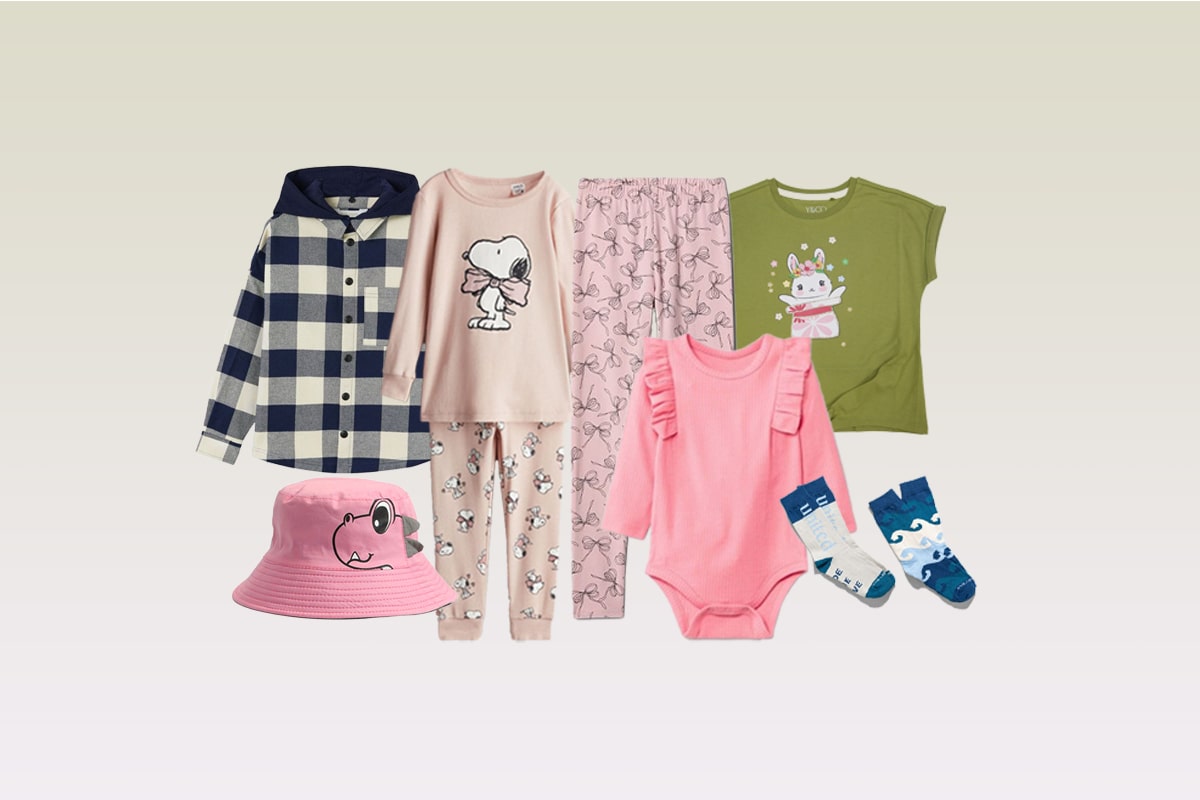
Let’s look forward to the wardrobe staples in a baby’s first few months. With the following pieces in your little one’s closet, life gets easier both for parents and the newly arrived.
1. Onesies
If you ask for one item to keep in a baby closet, it will be a onesie. These versatile, comfortable, easy-to-put-on, and secure-fitting onesies are particularly needed for the first six months of a baby. They work as wonderful layering pieces, offering both short-sleeve and long-sleeve choices.
Pro Tip: Buy onesies in various colors, prints, and patterns to keep baby dressing fresh and fun. Thus you can create multiple new looks for babies without spending on a new attire every time.
2. Bodysuits/Rompers
The next wardrobe staples for babies are bodysuits or rompers. They are the alternatives to onesies serving the same purpose of comfortable base layering and easy diaper changing. Designed with some kind of closure in the legs, bodysuits/rompers make a convenient choice for baby clothing as you can just unzip the closure and change your little one’s diaper, without undressing them.
3. Pajamas
Imagine a baby closet without pajamas. Is it even possible? A newborn doesn’t do much in the first few weeks of life except eat and sleep. And they definitely need cozy sleepwear to enjoy their bedtime.
Pajamas are the comfiest outfits for babies in their newborn stage, both day and night. Keep some footie PJs with snaps, and choose a few pairs with zippers. You will gradually figure out which works the best for your little one in nighttime diaper changes.
Tip for New Parents: Buy a few cotton pajamas and a few sets of fleece ones, for summer and winter respectively.
4. Pants and Leggings
Soft, comfortable, and flexible fabrics are the best for baby pants and leggings. Aside from offering adequate coverage and warmth to those tiny toes, pants could be paired with multiple outfits in different ways.
For example, dress your child in a bodysuit/onesie and in pants. It will work as a full outfit for the baby’s first outdoor visit.
Pro Tip: Choose pants/leggings with elastic waists to fit different body types and stretchy bottoms to ensure freedom of movement.
5. T-shirts
When your child starts crawling (hopefully in their seventh to tenth months), you can try t-shirts for them. More like onesies/bodysuits, tees are a nice layering item to keep them covered and protected. Tees in different colors and prints can be conveniently paired with pants, pajamas, or leggings. You can choose a single t-shirt to dress your child in summer and use it as the base layer in winter.
6. Socks/Booties
Expecting a winter baby? Get a few pairs of socks and booties to protect their tiny feet. In fact, socks are must-have baby winter items in a baby closet that parents should never forget. However, you should choose the thickness wisely as thicker booties are designed for severe winter days, while you can go with regular socks/booties to deal with moderate chills in the wind.
7. Swaddles
While planning an ideal baby wardrobe to welcome a newborn, how can you miss swaddles? These soft blanket-like clothing pieces mimic the much-needed warmth and coziness of the womb, helping kids sleep better in their early weeks.
Note: Soft swaddles with hook-and-loop fasteners are easier to use without affecting your baby’s delicate skin.
8. Jackets/Sweaters/Cardigans
Another wardrobe essential for winter kids. In fact, you can also buy them for summer babies to remain stress-free throughout the year. Parents should keep these seasonal must-haves handy and layer them based on different weather conditions.
For newborns or 0-3 months old babies, choose jacket/cardigans in breathable and lightweight fabrics, so as not to suffocate them with bulky pieces.
9. Sleepers/Sleepsacks
Sleepers or sleepsacks are one of the most essential clothing items for newborn babies to ensure a secure sleeping time. As opposed to loose blankets which often come with the risk of suffocation/strangulation, sleepsuits keep babies safe and their parents stress-free.
In baby sleepwear, comfort takes the central stage as babies mostly spend their time snoozing, so keep a minimum of 4 sets of comfortable sleepsuits handy to support their night sleep or naps.
10. Hats/Beanies
As newborns tend to lose heat through their heads, getting them soft cotton hats or beanies is particularly helpful to retain their body warmth. Plus, imagine a baby in a beanie, cute, isn’t it? Thus, hats or beanies are one of the cutest and most practical accessories for babies in their early stages of life.
11. Bibs and Burp Clothes
How to deal with the spills and spit-up messes babies create in their early days? Yes, your adorable little ones could be wonderfully messy leaving you to deal with a sea of dirty baby clothes resulting from feeding spills or dribbles. Prepare some soft pieces of clothing to wipe the messes and protect those cute outfits from feeding spills. Although they are not strictly clothing items, bibs and burp clothes are important to save parents from laundry overload by keeping babies clean and comfortable.
12. Mittens
Don’t miss mittens. You have no idea about how sharp those tiny nails could be until you see the scratches on your little one’s delicate skin. So, cover those small, cute hands with cozy mittens so that the super sharp nails cannot leave marks on their faces. Also, mittens/gloves with thicker materials could save babies from chilly winter.
13. Special Occasion Outfits
Don’t worry. You need not spend a fortune on fancy dresses. One/two special dresses would get the job done whether it’s about taking family pictures with kids or taking them for a short outing. However, don’t buy only for the sake of wardrobe if there’s no special event coming. Instead, keep a few pairs separated from the daily wear to celebrate those special moments in style.
Newborn Clothes Checklist at a Glance
Let’s have a quick breakdown of how many of each item you need in a baby’s basic closet:
- Onesie: Minimum 6
- Bodysuits: 4-6
- Pajamas: 5-7
- Pants and Leggings: 3-4
- T-shirts: 5-6
- Socks/booties: 4-6
- Swaddles: At least 2
- Jackets/Sweaters/Cardigans: 3-4
- Sleepsacks/Sleepers: 3-4
- Hats/beanies: 2-3
- Bibs and Burp Clothes: 4-6
- Baby Mittens: At least 1 pair
- Occasional Attire: 1-2
Additional Things You Need for Newborns
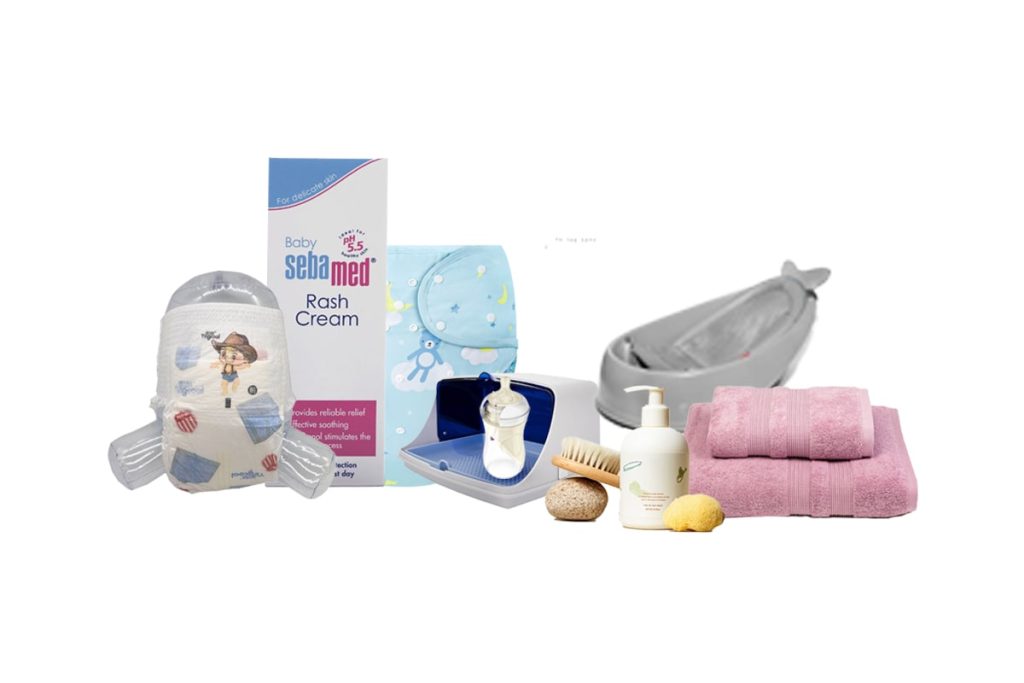
Beyond clothing, parents should keep a lot of other things handy to welcome the little munchkin at home. And the list includes the following:
Nappy Needs
- Diapers: Newborns need 6-10 diapers daily. So make sure you have enough disposable/cloth diapers in stock.
- Baby Wipes: Baby wipes are absolute must-haves for quick clean-ups after your child pees or poops.
- Nappy Bags: Keep a nappy bag handy to carry all those dirty diapers when you are outside with your child.
- Rash Cream: Get a tube of nappy rash cream for babies and apply it when you see their delicate skin affected by diapers.
Feeding Must Haves
- Feeding Bottles: Feeding bottles are an absolute must for bottle-fed babies. In the beginning, they need bottles with different nipple sizes to determine which shape and size work best. Newborns usually need nipples with the lowest milk flow.
- Nursing Clothes and Cover: For breastfeeding moms, nursing clothes like a receiving blanket or cover come in handy to shelter both the mom and the child while breastfeeding.
- Brush and Sterilization Tool: You should sterilize the feeding bottles and nipples at least once a day to keep them bacteria-free. Alternatively, boiling the bottles would get the job done. However, keep a small brush handy to clean the bottle and nipple thoroughly.
- Bibs and Support Pillow: For breastfed babies, you can add a nursing pillow to let the baby rest on something other than your arms. And again, bibs are extremely important to take care of the spills and dribbles while feeding your pumpkin.
Shower Essentials
- Bath Tub: To ensure the baby’s safe shower experience, add a small newborn-size tub that fits into your sink or regular bathtub.
- Soap and Shampoo: Use mild soap and shampoo to clean your child’s delicate hair and skin. Fortunately for you, there are enough baby-safe products that are specifically formulated tear-free for children so as not to irritate their skin.
- Towels and Washcloths: Get soft, gentle, and hooded washcloths for babies to dry them quickly after bath. You can also use absorbent baby towels to wipe them gently. However, combine them both in a baby care kit to keep your precious one warm and protected.
- Moisturizer/Baby Lotion: If a newborn has dry skin and is prone to rashes and eczema, use moisture or lotion after a bath to keep their skin healthy and hydrated. You need to make sure the lotion/moisturizer has a baby-safe formula and is perfume-free.
Sleeping Essentials
- Cribs and Mattress: A lightweight crib with a firm mattress is much needed for babies for their safe and secure bedding. While the crib should be durable and non-toxic, make sure you choose mattresses that fit snugly without any gaps.
- Blanket: For all the new parents out there, it’s recommended to keep some lightweight blankets for indoors (for swaddles and nighttime sleeps), and a few thick ones for outdoors (for car trips, hospital visits, or outdoor strolls). Although you might have better alternatives to blankets, having a few stock is never bad.
- Mosquito Net: Don’t forget the mosquito net, mamas! Choose one in breathable, lightweight material to ensure a peaceful night sleep both for you and your precious one. Place the net securely over the crib and keep all those annoying bites away.
Newborn Baby Clothes Set for Hospital
How many clothes you need for babies in the hospital depends on how long you are going to stay there. For normal deliveries, people usually stay 1-2 days; and for C-sections, this period can prolong to 4-5 days.
On average, there should be 2-4 sets of outfits in a baby’s hospital bag which may include sleepsuits, onesies, pajamas, socks, hats, swaddle blankets, burp clothes, etc.
Outfit for Going-Home
Prepare a set of homegoing outfits for the newborn that is comfortable and weather-appropriate. A soft onesie or bodysuit, footed pajamas, socks, and hats are enough. However, for colder months, adding a warm jacket and blanket inside the car would make your little one’s journey toward home more comfortable.
Baby Essentials Clothing You Don’t Need
Here are a few things that are marketed as must-haves for babies, but you don’t really need them in the beginning:
- Fancy dresses: Those cute, fancy baby dresses are a temptation that is too hard to resist. But you don’t need them in bulk as they are impractical for everyday wear. Having them in one or two sets is enough, and save them for special occasions.
- Shoes: What is the use of shoes until your child starts walking? Those cozy socks or booties are enough to keep their feet warm.
- Too many newborn-size clothes: Babies outgrow newborn size before you know it. So, buying too many newborn-size attire is nothing but a waste of money. Instead, buy in a range of sizes combining 0-3 months and 3-6 months to battle with the growth spurts.
- Sleeping bag: Having a sleeping bag sounds fancy, but do you really need it? While carrying sleepsuits and swaddle blankets in a baby closet, sleeping bags are optional which you can eliminate from the list of baby essentials.
- Complicated pieces: Babies need simple clothing to stay comfortable. Avoid complicated items with too many snaps, buttons, ties, or zippers that usually make diaper changing more challenging for parents.
Tips for Organizing a Baby Wardrobe
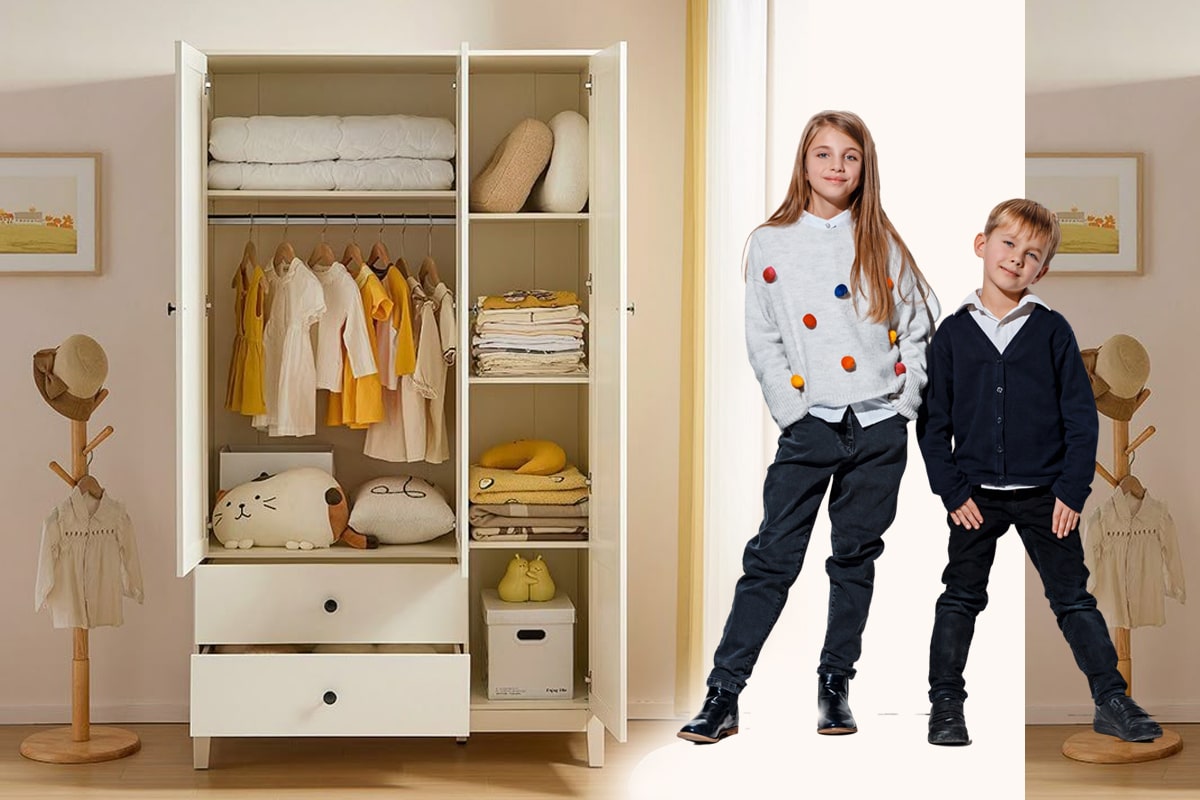
Here are a few tips for new parents (or soon-to-be) to organize a baby wardrobe without overloading it:
- Create a Capsule Wardrobe: Follow the mix-and-match theory and buy clothes in different styles that go along.
- Organize by Size and Season: To find clothes faster, organize the same size clothes together. Also, sort them based on season to make baby dressing easier.
- Hang Clothes Vertically: Don’t miss those vertical spaces in the closet. Utilize them to the fullest by using hangers to store baby attire more efficiently.
- Use Baskets, Storage Bins, and Drawer Dividers: Storing clothes in bins or baskets makes a baby closet neat and more organized. Also, utilize drawer dividers for storage optimization.
- Label Clothes for Faster Access: You don’t want to dig out the whole closet while searching for that one tiny pair of socks, right? So, label the bins and baskets to find clothes faster without creating a mess.
Newborn Baby Clothes Essential: Factors to Consider
While preparing a list of newborn essential clothing, parents should consider the following things:
Fabrics
Go for soft and breathable fabrics regardless of the season so that the baby clothes don’t pose the risk of overheating. Natural, moisture-wicking, hypoallergenic fabrics are best for sensitive skin babies, cotton or linen for instance. And for colder climates, fleece or wool blends work great to keep your child warm and protected.
Sizing
In terms of sizing, two things matter the most:
-Does my baby need a newborn size?
Yes, why not? But for how long, that’s the question Some babies grow faster than others and outgrow newborn size in a week or two. While others grow at a slow pace and can wear newborn size for longer.
-Can newborns wear 0-3 months size?
Yes, absolutely, but with a bit of extra room to grow comfortably. If your little one doesn’t need the 0-3 months size immediately, save them for later. You will definitely need them within 3-5 weeks of their birth.
Quality
The higher the quality of baby clothes, the longer they will last by withstanding frequent wash. And the benefits? You can use them for your nextborn as well if maintained properly. At the same time, high-quality baby attire ensures optimum comfort and relaxation in baby care.
Stitching
In baby clothing, stitching is extremely important to ensure safety. Any loose threads or embellishments could lead to choking hazards, which is why, all the ties, bows, and buttons should be stitched seamlessly.
Budget
One major misconception about baby dressing is that you need to spend a fortune on quality clothing. However, things are not like that. There are loads of budget-friendly options that live up to expectations in terms of softness, durability, comfort, and flexibility. In baby clothes, don’t fall for big names of designer brands, as those cute attires will be used for a relatively short period before babies outgrow them in a blink.
Care and Maintenance
Babies come with a sea of responsibilities, therefore, the last thing parents should look for is high-maintenance clothes. Instead, low-maintenance, easy-care clothes are supermoms’ best bet when it comes to laundry. Look for baby clothes that require no special treatment like hand washing, dry cleaning, etc. Rather they should be super easy to wash, dry, and retain colors and shapes pretty well.
FAQs
1. How many clothes should you have before a baby is born?
On average, parents should have at least 14 outfits ready for a week (two for each day) before the baby arrives. If you are planning the entire year’s wardrobe, shop for all sizes including newborn size, 0-3 months, 3-6 months, 6-9 months, and 9-12 months.
2. How to build a capsule wardrobe for baby?
The key to building a capsule wardrobe for babies is having a set number of different outfits in neutral colors that complement each other. Here is what you should have in a baby’s capsule wardrobe:
- 5-7 onesies/bodysuits in different colors
- 5-7 sleepsuits and pajamas in different materials
- 4-6 pants in casual and formal options
- 2-4 jackets/sweaters
- 4-6 socks and booties; choose thickness based on seasonal changes
- 2-3 hats for varying weather conditions
- A few bibs and burp clothes
3. What are the newborn clothing essentials for the first two weeks?
Though it largely depends on your laundry habits, the first two weeks of the baby clothing list should include 6 bodysuits, 6 onesies, 7 pajamas, 2 newborn gowns, 3 sleep sacks, 2-3 swaddles, 4 pants and leggings, 2 hats, 5-7 socks, 2 mittens, 2-3 burp clothes, and a lot of diapers. However, this is a rough estimation for new parents, and it might vary for different babies.
4. What should a baby wear underneath a swaddle/sleep sack/sleepsuit?
If you have a summer baby, wear them nothing but a nappy under the swaddle. For added warmth, a sleeveless onesie or legless bodysuit is enough. However, on colder days, you need to dress them in long-sleeved bodysuits/rompers and cozy pajamas under the sleep sack or swaddle.
Essential items for a baby clothes wardrobe might differ for different persons based on personal choices. However, the basics of baby clothing include onesies, tees, rompers, sleepers, pajamas, hats, socks, mittens, etc. With the checklist above, it gets easier for new parents to plan baby clothing ahead and get ready to welcome their bundle of joy without the fear of overbuying/underbuying.
So, use this guide as a starting point to plan your baby’s first wardrobe carefully. Then focus on your little one’s growth, comfort, and preference; and you will find out that baby clothing is really simple with some basics.

[…] a blessing for parents; and only the right approach to washing, drying, ironing, folding, and organizing clothes can ensure that kids’ clothes remain in top-notch shapes for years to […]