

Baby and toddler clothes fit completely differently even when they’re the same size, and the difference between baby and toddler sizes matters more than most parents realize. Every brand has its own sizing rules, making it confusing to shop. Most moms end up with drawers full of clothes that don’t fit because age doesn’t actually match clothing size. This guide explains the real differences between baby and toddler sizing and how to get the right fit every time.
In This Article
Most parents have experienced this frustrating moment: buying clothes that look perfect in the store, checking the size tag that matches the child’s age, and then getting home only to discover nothing fits right.
The shirt is too baggy, the pants are way too long, or everything is so tight the child can barely move. It happens mostly for new parents at some point.
The real problem is that the difference between baby and toddler sizes creates confusion. Clothing sizes and actual fit are two completely different things. Just because a tag says it’s the right size doesn’t mean it will actually work for the child. Most parents don’t realize how much sizes vary from brand to brand, leading to drawers full of clothes that simply don’t fit.
The problem is everywhere. Walk into any mom group and you’ll hear the same frustrations, clothes that don’t fit despite buying the “right” size, drawers stuffed with outfits that never got worn, and that feeling like everyone is just guessing every single time.
A 2-year-old could legitimately wear anything from 18 months to 3T depending on the brand, body type, and whether still in diapers. It’s like every brand just makes up their own rules — some are ridiculously big, others shrink kids down two sizes, and maybe one or two actually match what they claim.
In this guide, we’ll cover the real differences between baby and toddler sizes, figure out why brands are so inconsistent, and share measuring techniques that actually work. We’ll also show how to shop online confidently without dragging kids to the store.
Baby vs Toddler Sizes: What’s Really Different?
Baby and toddler clothes are designed for completely different body types, even when they seem like the same size.
The clothing industry knows something most parents don’t – babies and toddlers move, sit, and play differently. Manufacturers design each category with specific body shapes and activities in mind, which explains why a 24-month outfit fits so differently from a 2T.
Baby sizes (0-24 months) are built for diaper butts. They’re wider through the hips and shorter in length because babies spend most of their time sitting, crawling, or being carried. The extra width accommodates those chunky diapers, and the shorter length prevents fabric from bunching up.
Toddler sizes (2T-5T) are made for little walkers. They’re slimmer through the hips and longer in the legs because toddlers are active, running, climbing, and many are potty-trained or potty-training. The slimmer fit prevents excess fabric from getting in their way.
Choose 24 months if your child:
- Still wears diapers full-time
- Has a rounder, baby-like body shape
- Needs extra room in the seat area
Choose 2T if your child:
- Is potty-trained or potty-training
- Has a leaner, more active body type
- Needs longer lengths for their height
Some brands make these sizes identical, while others maintain clear differences. The only way to know for sure? Check each brand’s specific measurements.
Brand Size Differences: How to Understand This?
You walk into three different stores, grab the same size from each, and somehow they all fit differently.
It happens because each brand develops their own fit standards based on their target customer and design philosophy. Some cater to bigger kids, others to smaller frames, and a few just seem to make up sizes as they go.
Once you understand each brand’s quirks, shopping becomes predictable instead of a guessing game
Carter’s:
Carter’s runs true to size most of the time, making it your best baseline for comparison. However, quality varies by location.
Carter’s from their own stores has the best quality, Target’s Carter’s is good value, and Walmart’s Carter’s tends to be thinner.
Gerber:
Gerber consistently runs 1-2 sizes smaller than labeled. If your child normally wears 2T, buy 3T or even 4T in Gerber. The fabric also tends to be thinner and shrinks more than other brands.
H&M:
H&M runs large across all sizes. Most kids can wear 1-2 sizes smaller than their actual age. Plus, their adjustable waistbands are amazing for growing bodies.
Gap Baby:
Gap runs large, especially in pants. Many children wear sizes smaller than their chronological age. The quality is good, but expect a roomier fit.
Target’s Cat & Jack:
Cat & Jack starts large but shrinks significantly after washing. If it looks way too big when you first open the package, don’t worry. After two or three washes, it shrinks down to normal size. Plus, they let you return stuff for a whole year, which beats most stores.
Old Navy:
Old Navy clothes run smaller and shorter than the tag says. Go one size bigger for comfort, especially with pants. The prices work for tight budgets, but the clothes wear out faster than pricier brands.
European Brands (Next, Zara Kids):
European brands work differently – they measure by height, not age. See a tag that says 92? That’s for a kid who’s 92cm tall, whether they’re 18 months or 3 years old. The clothes fit tighter and slimmer than what you’ll find at American stores.
Fabric Tip: Fabric type changes how clothes fit after you wash them. Cotton shrinks a lot – sometimes enough to go down a full size. If something’s 100% cotton, buy bigger. Cotton mixed with other materials shrinks less and fits more predictably. Stretchy stuff like jersey gives you some wiggle room because it moves with your kid’s body. Synthetic materials like polyester barely shrink but can feel less breathable. Always check the care label – if it says “cold wash only,” expect the sizing to be less predictable after washing.
How to Measure Sizes: Tools & Techniques Every Mom Needs
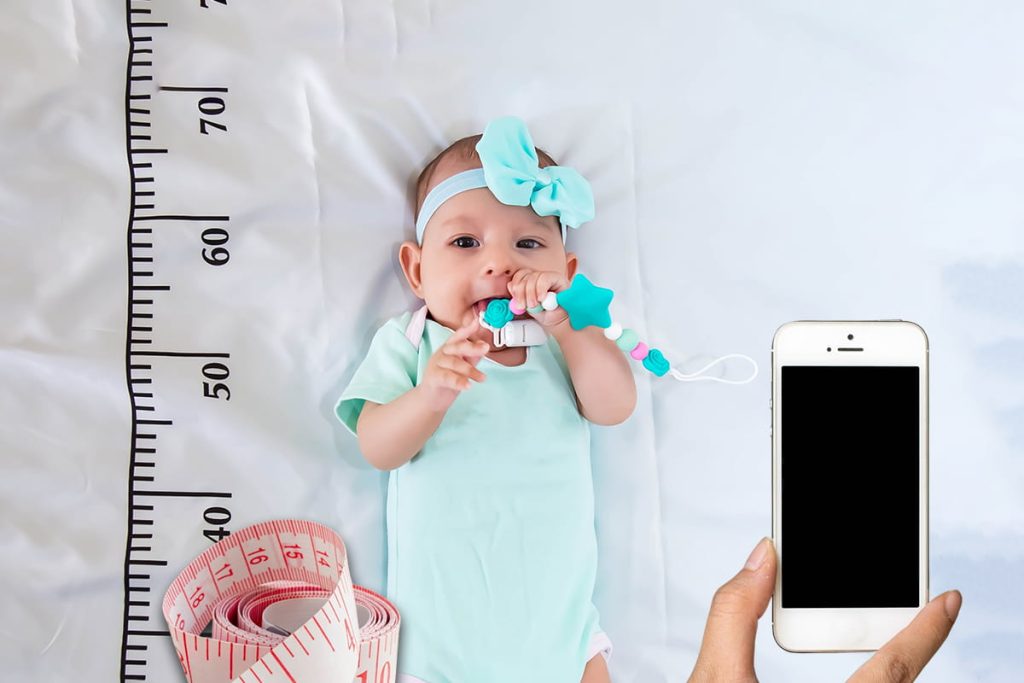
Before you step foot in a store or click “add to cart,” you need to know your child’s exact measurements. Measuring at home helps you get ideas and save money. You probably already have everything you need to know your kid’s size.
Essential Tools for Measuring:
- Soft measuring tape (or string plus a ruler)
- Pen and paper
- Your phone’s camera
- A willing helper (if possible)
The 3 Must-Have Measurements:
Height: For babies, measure lying down from head to heel. For toddlers, have them stand against a wall barefoot and mark the spot.
Weight: Step on your bathroom scale while holding your baby. Write down that number. Put the baby down and weigh yourself alone. Subtract the second number from the first – that’s your baby’s weight.
Chest: Wrap the measuring tape around the widest part of their chest, right under the armpits. This number tells you if shirts will fit or be too tight.
Bonus measurements for pants: Waist (around their natural waistline) and inseam (from crotch to ankle).
During size measurement, start by choosing the right moment. Pick a time when they’re calm and full – right after a meal usually works. Avoid measuring when they’re tired or cranky.
Make it fun. Say something like “Let’s see how tall you are now!” or “We’re measuring you like the doctor does!” Kids who think it’s a game will actually stand still.
For wiggly kids, hug them while you measure. They stay put and feel safe at the same time.
Do this every 2-3 months. Kids shoot up fast. Old measurements give you the wrong size every time.
7 Sizing Mistakes
Shopping by age instead of measurements
Walking into the store and grabbing everything in the “2T” section feels logical – your child is two, so they need 2T, right? This mindset has filled countless closets with unworn clothes.
That tall 18-month-old who’s already walking might need 2T pants for the length, while your petite 3-year-old could still be rocking 2T perfectly. Age is just a number on the birthday cake, not a sizing guide.
Buying only one size
We get so focused on finding the “perfect” size that we forget kids grow overnight. Buying just one size means you’re constantly shopping for replacements.
Smart parents stock up on the current size plus the next size up, especially for basics like underwear and socks. This way you’re prepared for growth spurts instead of scrambling for clothes that fit.
Buying too far ahead
Sales are tempting, but buying next year’s wardrobe months early backfires. Kids don’t just grow taller, their whole body shape changes. That winter coat you bought in July might fit the arms but be too short in the body.
Stick to buying one season ahead instead. Buy winter clothes in early fall, summer clothes in early spring. If you want detailed tips on getting the right fit, check out our guide about The Right Size For Kids Clothes Without Stress. This way clothes actually fit right.
Ignoring seasonal sizing needs
Summer clothes and winter clothes fit differently, but we often use the same sizing approach year-round. Winter clothes need room for layers underneath, while summer clothes can fit closer to the body.
A 3T summer dress might be perfect, but a 3T winter coat could be too snug once you add sweaters underneath.
Forgetting about body types
Not all toddlers are built the same, but we often shop like they are. Your tall, lean child needs different sizing strategies than a shorter, stockier kid.
Some brands cater to different body types naturally, and once you figure out which ones work for your child’s build, shopping becomes so much easier.
Not considering the clothing type
A 2T works perfectly for your child’s shirts, so you assume 2T pants will fit the same way. Different clothing categories fit differently even within the same brand.
Pants might run long, shirts might run wide, and pajamas often run smaller for safety reasons. Each type of clothing needs its own sizing consideration.
Shopping in a rush
You may scroll through clothes at 11 PM after the kids are finally asleep, just wanting to get it done. But rushing leads to mistakes like ordering the wrong size, missing important details about fabric, or not noticing that “free shipping” actually takes three weeks.
Take a few extra minutes to read the product description properly. If a website doesn’t give you enough details about the fabric, fit, or care instructions, that’s usually a red flag.
Legit brands want you to know exactly what you’re buying, so vague descriptions often mean cheaper quality or sizing issues you’ll discover too late.
Tips for Successful Online Shopping
When you shop in physical stores, you can bring your child along for quick try-ons and instant fit checks. Online shopping removes that luxury – you can’t test the fabric, see the true colors, or watch how clothes move on your child’s body. This makes getting the right size even more critical since returns mean waiting, shipping costs, and the hassle of repackaging everything.
Before You Shop (takes 5 minutes): Grab a piece of paper and write down three numbers: height, weight, and chest size. Stick this somewhere you can find it fast – maybe take a photo and save it to your phone.
Think back to what’s worked before. Do Carter’s pajamas always fit right? Do H&M pants run big every single time? Remember these patterns – they matter more than you think.
Pull out your phone and snap a few pictures of clothes your kid wears now that fit well. When you’re looking at stuff online later, you can compare and get a better sense of what might work.
While You’re Shopping: Skip the star ratings and go straight to recent reviews. That’s where parents tell you the truth about sizing and quality. Search for words like “runs small” or “great for tall kids” – other moms already figured this out for you.
Customer photos matter way more than the professional ones. Real kids in real clothes show you what you’re actually getting, not some styled photoshoot that doesn’t mean much.
Smart Shopping Strategies: Pick 2-3 brands that work for your kid and stick with them. Stop trying new brands every time.
Hunt for adjustable stuff – elastic waistbands, snap extenders, drawstrings. These grow with your kid instead of getting outgrown in two months.
Can’t decide between two sizes? Get the bigger one. Kids grow fast. Too-small clothes are useless, but they’ll grow into bigger ones soon enough.
Buying something expensive or for a special event? Order both sizes if returns are free. Try them at home and send one back.
Know Your Return Rights: Check the return policy before you buy, not when the box shows up. Some stores give you extra time for kids’ clothes. A few even take back stuff that’s been worn and outgrown.
Not Sure? Ask Someone: When you can’t tell if something will work, use the chat button or call the store. The people who work there know which items run weird. They see all the returns and complaints, so they know things the product page won’t tell you.
FAQs
How accurate are baby clothing sizes?
They’re pretty inconsistent – one brand’s 12-month might fit your 9-month-old while another runs huge. Think of clothing sizes as rough suggestions rather than exact measurements.
How do you know what size baby clothes to buy?
Use your baby’s actual height and weight instead of relying on age labels. When in doubt, buy the current size plus one size up for basics.
What size are toddler sizes?
Toddler sizes run 2T to 5T and are cut slimmer than baby clothes since toddlers don’t need as much diaper room. They’re also longer in the legs for active little ones.
Should I be worried if my baby is measuring small?
Not at all – some babies are just naturally petite! As long as your pediatrician isn’t concerned, wearing smaller clothing sizes is completely normal.
What affects the size of a baby?
Genetics are the biggest factor, plus things like activity level and feeding habits. Active babies tend to be leaner while less mobile ones might be chunkier – both are totally normal.
Once you know how to measure your kid and understand which brands actually work, you’ll walk into stores or browse online with actual confidence instead of crossed fingers.
Your child gets clothes that actually fit their body and development stage. You stop wasting money on returns and donations. Shopping becomes a quick, efficient task instead of an all-day frustration.
Start with one brand you trust and really understand how their sizes work with your child’s body. Within a few months, you’ll be that parent who can spot the right size from across the store and confidently order online without second-guessing every purchase.
Leave a Reply