

Cotton, bamboo, and muslin let air through. Your baby stays dry and comfortable. Polyester and nylon block airflow. These make babies sweaty and give them skin problems fast. Natural fabrics get softer every time you wash them and help keep your baby’s temperature normal. Pick the right fabric and you’ll see fewer rashes, longer naps, and a happier baby even when it’s over 40°C outside. Let’s explore best fabrics for baby clothes in extreme heat.
In This Article
As a mom in Dubai, I learned the hard way that cute doesn’t always mean comfortable when it’s 45°C outside. Your little one dressed in a soft cotton onesie with tiny elephant prints, their chubby cheeks rosy from a good nap, little fingers reaching out to grab your face while they let out the sweetest baby giggles.
We all live for those rare moments when baby isn’t fussing. For parents, these are the moments that make everything worthwhile.
Living in the UAE means dealing with serious summer heat and warmth all year long, which makes dressing babies tricky. Choosing baby clothes based on how cute they look doesn’t cut it here. The fabric has to handle this climate.
Baby clothes aren’t all the same. Some fabrics will keep babies cool and happy, while others will leave them fussy and overheated.
Throughout this guide, we’ll explore everything you need to know about choosing the right fabrics for your baby. We’ll start by understanding why baby skin is so different from adult skin, then dive into the top 5 fabrics that work best in hot climates. We’ll also cover which fabrics to avoid completely, and finish with practical outfit suggestions for different occasions. By the end, you will feel confident making fabric choices that keep your little one comfortable and content.
Your Baby’s Skin: What Parents Need to Know
Baby skin is about five times thinner than adult skin. That is why it reacts much faster to everything: temperature changes, chemicals in fabrics, and even the texture of materials.
If a fabric feels scratchy to adults, imagine how it feels to babies. Their skin also can’t regulate temperature the way adult skin can, so they rely completely on what you dress them in.
When babies wear unsuitable fabrics, the effects show up quickly. Red patches might appear on their chest or back where synthetic materials trap moisture. They become restless during naps, constantly shifting and fussing because the fabric doesn’t breathe. Some babies develop tiny bumps or rashes, especially in areas where clothing fits snugly like around the neck or diaper area. You often notice your little ones seem more irritable throughout the day, and sleep becomes disrupted as babies wake up feeling sticky or overheated.
This explains why choosing the right fabrics makes such a difference for your baby’s comfort and your peace of mind.
The Top 5 Fabrics for Baby’s Delicate Skin
Organic Cotton:
Organic cotton breathes well, soaks up moisture, and doesn’t have harsh chemicals that could irritate baby skin. What makes organic cotton special is that it’s grown without pesticides or synthetic fertilizers. This means fewer chemicals touching baby’s skin.
Organic cotton gets softer with every wash. Those organic cotton onesies that might feel a bit stiff at first will become incredibly soft over time. It’s also super easy to care for, which busy moms appreciate.
Bamboo:
Last summer, I dressed my 6-month-old in a bamboo onesie for our morning walk in JBR – she stayed comfortable the entire time, unlike the cotton one that left her sweaty after 10 minutes.
Bamboo also has natural antibacterial properties, so it stays fresher longer. This helps during hot summer days when everything seems to need washing twice as often.
Bamboo varieties worth knowing about:
- Bamboo-Spandex Blend: Usually 95% bamboo and 5% spandex, giving perfect stretch for growing babies
- Bamboo-Cotton Blend: Combines the cooling properties of bamboo with cotton’s durability
- Pure Bamboo Rayon: The softest option, though it needs gentler washing
Muslin:
Muslin is that loose, open-weave fabric that looks simple but works well. It’s lightweight and allows air to flow through easily, which works perfectly in hot climates.
Muslin gets better with age. The more you wash it, the softer it becomes. It’s also perfect for layering so you can easily add or remove pieces as they move between air-conditioned spaces and the outdoors.
Muslin swaddles are particularly popular because they don’t trap heat during sleep while still giving babies that cozy feeling they crave.
Cotton:
Regular cotton might not be as fancy as organic cotton, but it’s still a solid choice. It doesn’t trap heat like synthetic fabrics do.
Cotton is also versatile. It works for everything from everyday play clothes to slightly dressier outfits. Plus, it’s durable enough to handle frequent washing, which is essential when dealing with baby messes.
Watch for quality with regular cotton. Thicker, higher-quality cotton will breathe better and last longer than thin, cheap versions.
Linen:
Linen might seem too fancy for baby clothes, but it’s fantastic in hot weather. It lets air pass right through and dries quickly, making it perfect for those inevitable spill situations.
Linen also has natural UV protection properties, which is a nice bonus when spending time outdoors. It does wrinkle easily, but when dealing with a baby, wrinkles are the least of concerns.
The texture of linen can be a bit rough initially, but like other natural fibers, it softens with washing.
Essential Baby Clothes Every Mom Should Have
Daily Wear
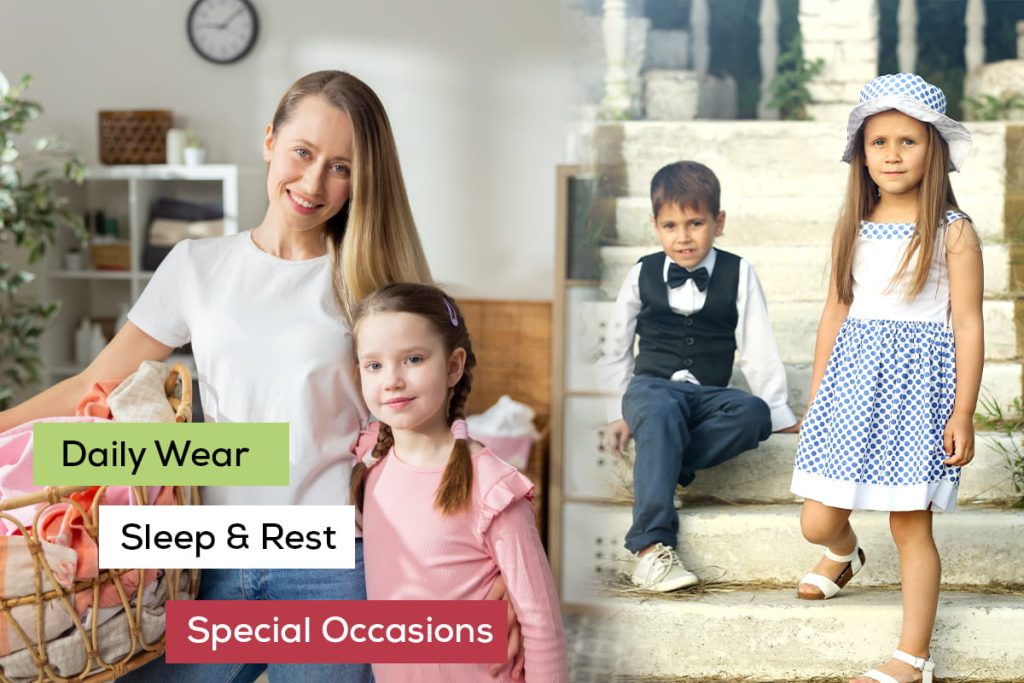
You need pieces that can survive the chaos of baby life. Onesies and bodysuits are the foundation of any baby wardrobe – they’re on baby’s skin all day, so organic cotton or bamboo makes the biggest difference. Rompers are fantastic because they look put-together but feel like pajamas, especially when made from cotton or bamboo blends that move with your baby.
T-shirts are your grab-and-go staples that work for everything from tummy time to quick grocery runs. Cotton and linen ones survive constant washing without falling apart. Shorts become must-haves once the heat kicks in. Cotton or linen ones prevent little legs from getting sweaty and bothered.
Bamboo-spandex blend leggings work great for babies who are crawling around since they stretch and move with them without holding them back. A good sun hat made from cotton or linen is non-negotiable for outdoor adventures.
Sleep & Rest
Sleep clothes can make or break everyone’s night. Pajamas in bamboo or organic cotton help babies sleep through those warm nights without waking up feeling sticky. Sleep gowns work wonderfully for newborns. They make those 3 AM diaper changes faster and simpler while keeping baby at a comfortable temperature.
Sleep sacks made from muslin let you rest easy knowing baby is sleeping safely and comfortably. Muslin or bamboo swaddles give babies that snug, secure feeling they crave without the risk of getting too hot during those early months.
Special Occasions
Your baby’s comfort still matters most, even at fancy events. Cotton or linen dresses look beautiful in family photos and at celebrations while keeping baby cool the whole time. Cotton button-up shirts work great when you want baby looking a little more dressed up.
Lightweight cardigans in cotton or bamboo save the day at events where you’re constantly going between air conditioned rooms and outdoor heat. Cotton blend dress pants finish off the outfit for weddings or holiday gatherings without making baby uncomfortable.
Fabrics to Skip
The Synthetic Trap
Polyester: Walk into any baby store in Dubai Mall and you’ll see the most adorable outfits – bright colors, perfect prints, and prices that don’t make you wince. Most of these are polyester.
Polyester is like wrapping your baby in plastic wrap. It looks great but traps every bit of heat and moisture against their skin.
In UAE weather, this means a cranky baby within minutes of putting it on. Plus, once that polyester outfit gets sweaty, it stays smelly no matter how many times you wash it.
Nylon: Nylon shows up in a lot of baby clothes because it stretches beautifully and bounces back to shape. Sounds perfect, right?
Unfortunately, it pushes sweat away instead of absorbing it, leaving it to sit on your baby’s skin. This creates a sticky, uncomfortable mess that leads to rashes and fussiness.
Acrylic: Acrylic feels incredibly soft in the store – softer than cotton, actually. What they don’t tell you is that it’s basically plastic fibers made to feel like wool.
After a few washes, it starts pilling (those little fuzzy balls), creates static that makes dressing time a nightmare, and worst of all, it doesn’t let any air through to your baby’s skin.
The Real Cost Sure, these synthetic options cost less upfront, but think about it: would you rather buy three cheap outfits that make your baby miserable, or one good cotton piece that keeps them comfortable all day?
I learned this lesson the hard way when my daughter spent an entire playdate fussing in a “adorable” polyester romper that looked amazing but felt like torture in 40-degree heat.
FAQs
What is the best fabric for baby clothes in hot weather?
Cotton, bamboo, and muslin work best. Air flows through them easily and they pull moisture away from skin. Your baby stays cool even when it’s blazing hot outside.
Is cotton or bamboo better for baby clothes?
Bamboo runs a bit cooler than cotton and naturally fights bacteria, which makes it perfect for hot weather. Cotton lasts longer and costs less. Both work really well. Both are excellent choices.
Is 100% cotton good for babies?
Yes, 100% cotton is excellent for babies. It’s breathable, absorbs moisture, and gets softer with each wash. Choose thicker, higher-quality cotton for better durability.
Is muslin fabric good for baby clothes?
Muslin works great. It’s light, lets air pass through, and becomes softer each time you wash it. Use it for wrapping babies, bedtime outfits, and regular clothes when the weather gets warm.
Baby shopping gets overwhelming fast. You stand there staring at price tags, wondering if organic cotton really justifies spending extra dirhams. Then you second-guess every fabric decision while your baby screams in the middle of Carrefour.
But here’s what I wish someone had told me when I was a new mom in Dubai: the right fabrics actually make your life easier, not harder.
You don’t need a closet full of designer baby clothes. Five or six well-chosen pieces in organic cotton, bamboo, or muslin will serve you better than twenty cute outfits that leave your baby uncomfortable.
Trust me, I’ve been there. I used to have a drawer full of adorable synthetic pieces that looked Instagram-perfect but made every day harder.
Start simple. Get a few organic cotton onesies, a bamboo sleep set, and maybe a muslin swaddle. See how much happier your baby is, how much better they sleep, and how much easier your laundry routine becomes. Once you experience the difference, you’ll never go back to those synthetic “deals” again.
Because honestly? A comfortable baby means a saner mom. And in this UAE heat, that’s not a luxury. It’s a necessity. Your future self (and your baby) will thank you for making the smart choice from the start.
Leave a Reply