
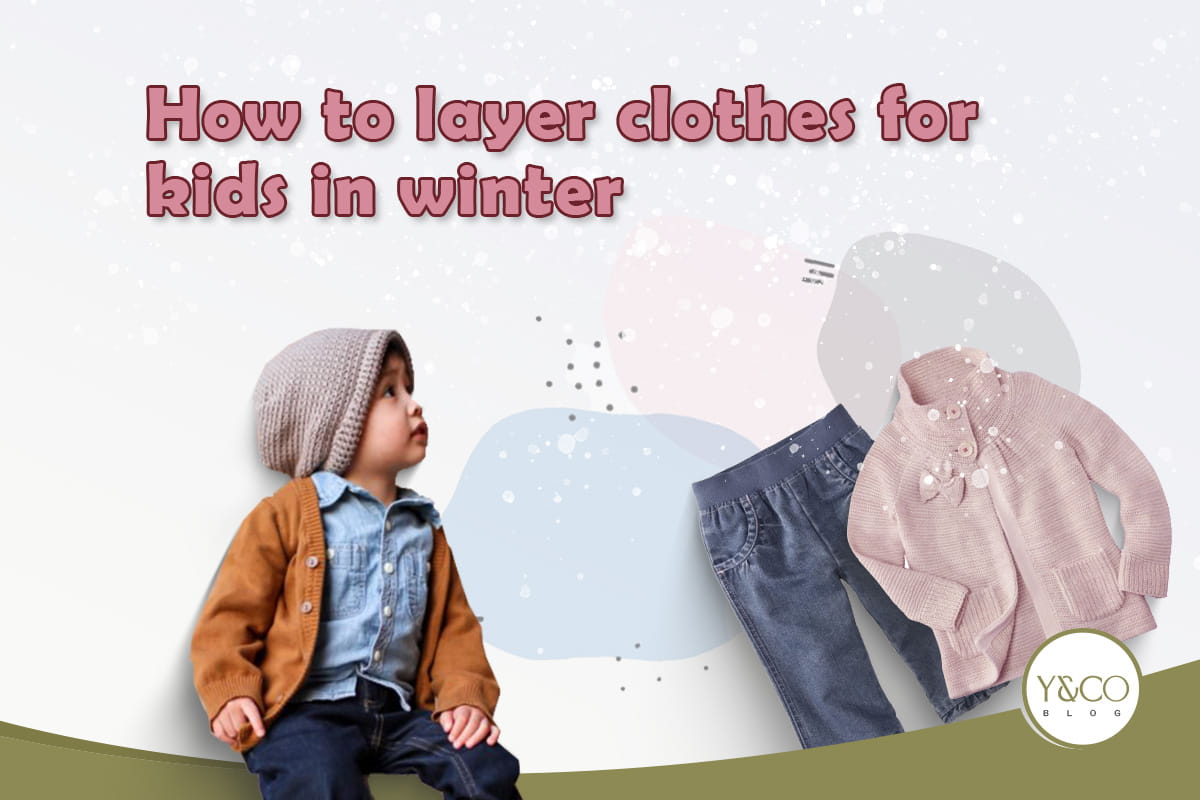

While UAE winter differs completely from European winters, a 3-layer approach helps kids handle the dramatic temperature changes throughout the day. Fabric choice becomes crucial for each layer, and timing your shopping right can save money while building a practical winter wardrobe.
In This Article
Living in the UAE changes how your body feels about temperature. When you’ve spent months in 40°C+ heat, stepping outside to 20°C air can feel genuinely cold – especially for kids who seem to feel temperature changes even more than adults.
UAE winter runs from December through mid-March. During these months, mornings can start at a chilly 12-16°C, then warm up to a comfortable 23-26°C by afternoon. That’s more than a 10-degree difference in one day, which makes dressing kids a real challenge.
But here’s what many moms discover after their first UAE winter: the outdoor temperature isn’t actually the biggest problem. It’s keeping proper clothing for children because they are much more weather sensitive than adults – especially newborns and toddlers who can’t regulate their body temperature as well as older kids. Their little bodies react quickly to temperature changes, whether it’s a cool morning breeze or stepping into an air-conditioned space.
The winter clothing advice from Europe or North America just doesn’t apply here. Heavy winter coats and thick wool sweaters will leave your child overheating by 10 AM. UAE winter is about creating a flexible system where kids can easily add or remove pieces as they move through their day.
In this guide, you’ll learn how to build a simple three-layer system that works perfectly for UAE conditions. We’ll cover the best fabric choices for each layer, essential clothing pieces every child needs, and practical tips for shopping locally. You’ll also discover which stores offer the best value and quality for kids’ winter clothes, plus timing strategies to get great deals during UAE’s major sales seasons.
The Three-Layer System for UAE Kids
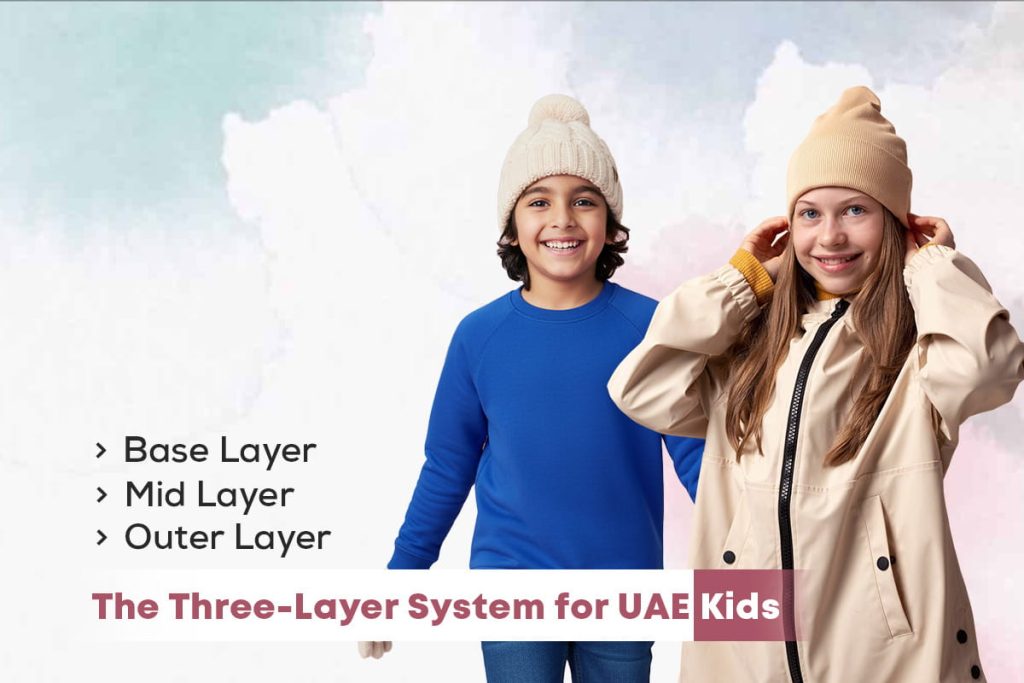
Base Layer
Your base layer sits closest to your child’s skin, which makes it the most crucial piece of the whole system. It’s the most important piece because it handles all the moisture and temperature changes throughout the day.
Cotton long-sleeve shirts are honestly your best friend for UAE winter. Cotton soaks up sweat when kids are running around, but it also lets air move through the fabric. This matters a lot when you’re constantly going from warm outdoor spaces into freezing air conditioning.
Now, if you want to splurge a little, merino wool tops are actually amazing. I know wool sounds crazy for the Middle East, but merino is different. It somehow keeps kids cozy when it’s cool but doesn’t make them overheat when things warm up. Plus, it doesn’t smell even after a full day of playground adventures – which is honestly a miracle with active kids.
Bamboo fabric shirts have become huge with moms here lately. The fabric naturally fights off bacteria and has this cooling effect that’s ideal for our humidity. It feels soft and smooth, and kids seem to love how it feels on their skin.
For the bottom half, cotton or linen pants could be better option. They cover everything properly without being too heavy. Trust me, even on those chilly December mornings, anything too thick will have your child complaining about being hot by lunchtime.
Mid Layer
The mid-layer does all the heavy lifting, coming on and off throughout the day as temperatures swing.
You’ll love cotton cardigans for one simple reason – kids can handle the buttons or zippers by themselves. Go for cardigans instead of pullovers – it’s much easier for children to manage, and you won’t have to help them every time they want to take something off.
Fleece vests solve that tricky problem of keeping kids warm without making them feel restricted. They’re also small enough to fold up and carry when not needed, which is handy for school bags or stroller baskets.
If you have school-age kids, cotton zip hoodies are practically mandatory – they want something that looks casual. The zip makes it really easy to adjust quickly – much simpler than dealing with buttons when you’re rushing.
Cotton knits beat synthetic materials hands down in this climate. Cotton stretches well, washes easily, and doesn’t make kids feel sticky when the humidity goes up.
Light fleece can be good for the coolest mornings, but make sure it’s thin. The thick, puffy fleece jackets from colder countries will be way too warm here by mid-morning.
Cotton-blend sweaters hold up well to all the putting on and taking off that happens with layering. Since kids will be doing this multiple times a day, you need pieces that can handle the wear.
Outer Layer
You’ll reach for this layer when the wind picks up or when February decides to surprise you with a bit of rain.
For UAE weather, cotton jackets are perfect. They stop wind from getting through but don’t make kids overheat when they’re playing or walking around.
Windbreakers are useful for outdoor activities like desert camping or beach trips. Wind can make even warm temperatures feel cool, so having something to block it helps a lot.
Cotton blazers are good for school events or family gatherings when you want your child to look put-together without being too dressed up.
Water-resistant cotton blends handle light rain well without being completely waterproof. Heavy waterproof materials trap too much heat and make kids sweaty.
On windy days, nylon shells can be helpful, but look for ones with ventilation zippers or some way for air to move through. Completely sealed jackets get too hot too quickly.
Stay away from anything too heavy or thick. This outer layer needs to come off fast when the temperature goes up or when you move from outdoors to indoors.
Essential Clothing Pieces Every UAE Kid Needs
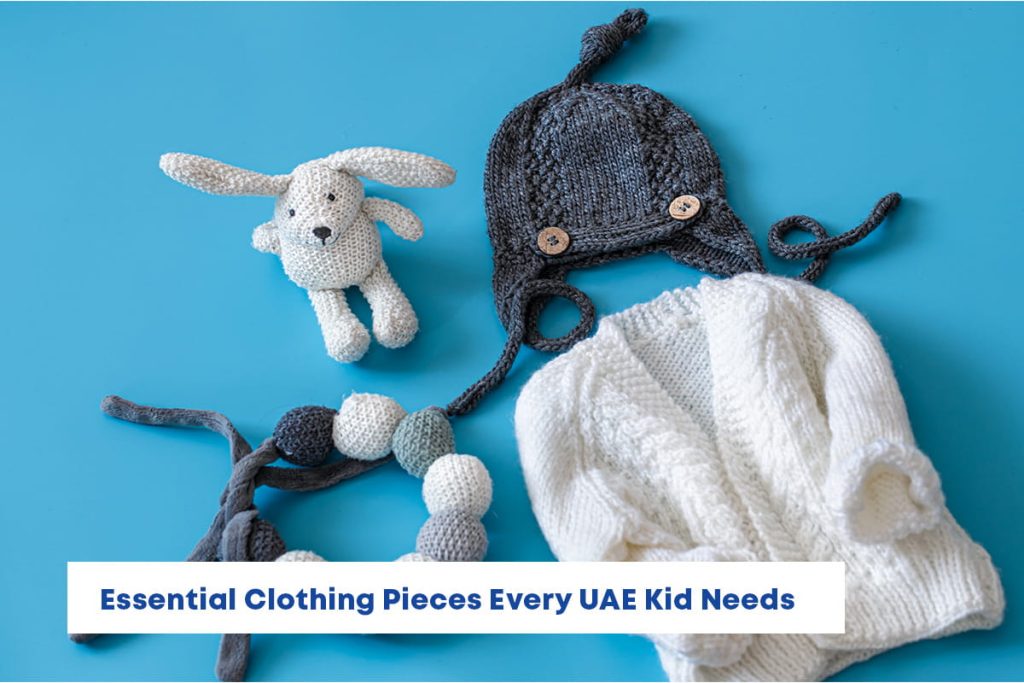
Tops Collection
Long-sleeve cotton shirts in white, grey, or navy become your daily essentials – learned this the hard way after buying too many cute patterns that didn’t match anything. You’ll want at least 3-4 because they’ll be in constant rotation during winter months. Having extras means you’re not doing laundry every other day just to keep up.
Cotton cardigans became essential once the trick was figured out: keep different weights for different situations. A super thin one stays in the car for surprise air conditioning moments at the mall, while a slightly thicker one lives by the front door for those genuinely chilly mornings. Two or three total covers most scenarios without overcrowding the closet.
Merino wool base layers are worth the investment if you can swing it. One good piece lasts through multiple kids and countless growth spurts. My youngest is wearing the same merino top my oldest had three years ago, and it still looks great.
Bamboo long-sleeve tops became the go-to for my daughter who runs hot and has sensitive skin. The fabric stays cool against her skin even when she’s running around, and it’s soft enough that she never complains about it being scratchy or uncomfortable.
School-age kids will push hard for cotton zip hoodies – and honestly, just give in. They’re practical for playground time, look casual enough for weekend outings, and the zip means no wrestling with pullovers when they want to cool down quickly.
Bottoms Strategy
Cotton pants in straight cuts solve most problems – they suit both my son and daughter, hide playground dirt, and don’t turn kids into sweaty messes when the sun comes out. Stick with khaki or navy unless you enjoy doing extra laundry.
Linen-blend pants fill that weird gap between “too cold for shorts” and “too warm for regular cotton.” Perfect for those December days when the weather can’t make up its mind.
Don’t pack away the cotton shorts completely – you’ll be surprised how often they get worn in December and January when temperatures spike unexpectedly.
Cotton leggings and tights work well for girls under dresses or skirts. For kids who are always cold, they make a good extra layer. The cotton-spandex blend moves with them without being too clingy.
Accessories That Matter
Surprisingly, cotton scarves are quite useful, especially for kids over 3 who can manage them safely. They’re easy to throw in a bag and provide just enough extra warmth when needed. Skip them for toddlers under 2 – cute but not worth the safety risk.
My older daughter discovered pashminas last winter and now uses hers as everything from a shoulder wrap in cold restaurants to a blanket during outdoor movie nights.
Cotton beanies become essential for early morning school runs, especially with younger kids who feel cold more intensely. Most kids 4 and up will actually keep them on without constant reminders.
Good socks and closed-toe shoes make a surprising difference on cool mornings. Cotton or wool blend socks keep feet comfortable without creating a sweaty mess when temperatures rise later in the day.
UAE Shopping Mastery: When, Where, and How

Best Stores for Kids’ Winter Clothes
Centrepoint and Babyshop are impossible to avoid – they’re literally everywhere with 44 locations across the UAE. You’ll probably end up there more often than you’d like, but they do stock everything from basic cotton tees to those character hoodies your kids are obsessed with. Most pieces fall between AED 25-150, and the quality actually holds up pretty well for daily wear. There’s always some kind of sale happening too. Just don’t go on weekends unless you enjoy fighting crowds, and forget about finding popular sizes during major sales.
Mothercare UAE becomes a lifesaver when you’re completely overwhelmed or dealing with your first UAE winter. Their staff actually knows what they’re talking about when it comes to layering – they can walk you through building a complete winter collection that actually works for UAE weather. You’ll pay more (AED 80-300 per piece), but everything fits well and lasts. They even have these helpful guides specifically for UAE climate. The only problem is watching your budget disappear when you’re shopping for more than one kid.
H&M and Zara are where you’ll end up when your older kids start caring about fashion. These stores get UAE winter right – their collections aren’t too heavy, the colors work well, and the styles look current enough to satisfy picky teenagers. Expect to pay AED 50-200 per item. The sizing can be unpredictable though, and popular pieces sell out quickly.
Carrefour TEX has quietly become a great option for basics. Basic cotton pieces start at AED 15, and you can honestly outfit a whole kid for under AED 200. The quality is surprisingly good – especially when you know they’re going to outgrow everything in six months anyway. The downside is that their selection is totally hit-or-miss. Sometimes they have exactly what you need, sometimes you leave empty-handed.
When You Can’t Make It to the Store
Y&CO
This one has quietly become a go-to for moms who want everything in one place. Their collection covers all the everyday essentials kids actually need, including casual t-shirts, polo shirts, tank tops, cute PJ sets, sleeping dresses, underwear, and everyday wear dresses. Basically, if your child needs it, they probably have it.
Most of their clothes are made with a cotton and spandex mix, which means they’re soft on sensitive skin, move with kids rather than against them, and hold up well after repeated washing. What makes them stand out is how wearable everything is, with pieces that work at home, at school, or out and about without any fuss. Delivery is fast and reliable too, and they ship worldwide, so even if you’re traveling or gifting to family abroad, you’re covered.
Noon and Namshi
Winter sales on these sites are honestly pretty unbeatable compared to what you’d pay in stores.If something doesn’t fit right, returning it can be a real pain depending on where you need to ship it back to.
Mumzworld
If you’ve got kids, this place actually gets it. They know what weather we’re dealing with here and stock stuff that actually works for UAE climate. No surprises with inappropriate clothing. That said, prices can be on the higher side, and you won’t always find the full range you’d get from bigger stores.
Amazon UAE
Great for hunting down those specific international brands with actual delivery to your doorstep. Looking for quality merino wool base layers or proper fleece? You’ll probably find it here when local stores are out. But delivery can be unpredictable, and sometimes the prices aren’t any better than shopping locally.
When to Shop (And When to Wait)
The Dubai Shopping Festival (early December through mid-January) is when you should really be buying winter stuff. We’re talking 50-70% off at most places, it’s genuinely the best time of year. Just know that it gets absolutely rammed, especially on weekends and evenings. If you don’t like crowds, hit the shops on a weekday morning instead.
February clearance sales are perfect for buying next year’s winter clothes. Kids grow fast, so buying a size up during clearance makes financial sense. Just remember that last season’s styles might look dated by the time your child grows into them.
Outlet villages in Dubai and Abu Dhabi offer year-round discounts on brand names. Dubai Outlet Mall and The Outlet Village are particularly good for children’s clothing. Just know that getting there takes forever, and you might find the ‘discounts’ aren’t always worth the drive.
End-of-Ramadan sales sometimes coincide with winter months and can offer unexpected bargains on seasonal items. Timing can be tricky since the dates change each year.
Local markets and souks can be great for unique cotton scarves, wraps, and accessories. Dragon Mart has particularly good deals on basic cotton clothing. Quality control can be an issue, and you’ll need to check items carefully before buying.
Summer clearances in July-August often have winter basics at 70-80% off. The problem is storing everything for months, and you’re essentially guessing what sizes your kids will need.
FAQs
Q: Why is layering better than wearing one thick coat?
Two thin layers trap more warm air between them than one heavy piece. Plus you can add or remove pieces as temperatures change throughout the day, instead of being stuck too hot or too cold.
Q: Why is cotton bad for winter layering?
Cotton soaks up sweat and moisture, then takes forever to dry. When it’s wet against your skin, it actually pulls heat away from your body, sometimes 25 times faster than dry fabric.
Q: Can I wear the same base layer in warm and cold weather?
Yes, if you choose moisture-wicking fabrics. The real job of a base layer is managing sweat, not providing warmth. So, the same layer works year-round.
Q: Can I layer with tight jeans?
Not really. Tight pants limit air circulation and restrict movement. Go for straight-cut or relaxed pants so layers work properly.
UAE winter layering is really about being flexible rather than staying warm. Your child should be able to throw on or take off a layer in less than 30 seconds – any longer and they’ll get frustrated.
Most moms make the same mistakes during their first UAE winter. They buy those puffy winter coats thinking they’ll be essential, only to watch them hang unused in the closet all season. Heavy wool sweaters that look perfect online turn out to be way too warm even on the coldest days. Many parents also try to buy everything at once instead of starting with basics and adding pieces as they learn what their child actually needs.
Talk to other moms who’ve been through multiple UAE winters. They’ve already made these mistakes and figured out what actually works versus what just sounds good in theory.
The goal is keeping your children comfortable while making your own life manageable. Start simple, build gradually, and remember that every family’s winter wardrobe looks a bit different depending on their daily routine and activities.

Leave a Reply