
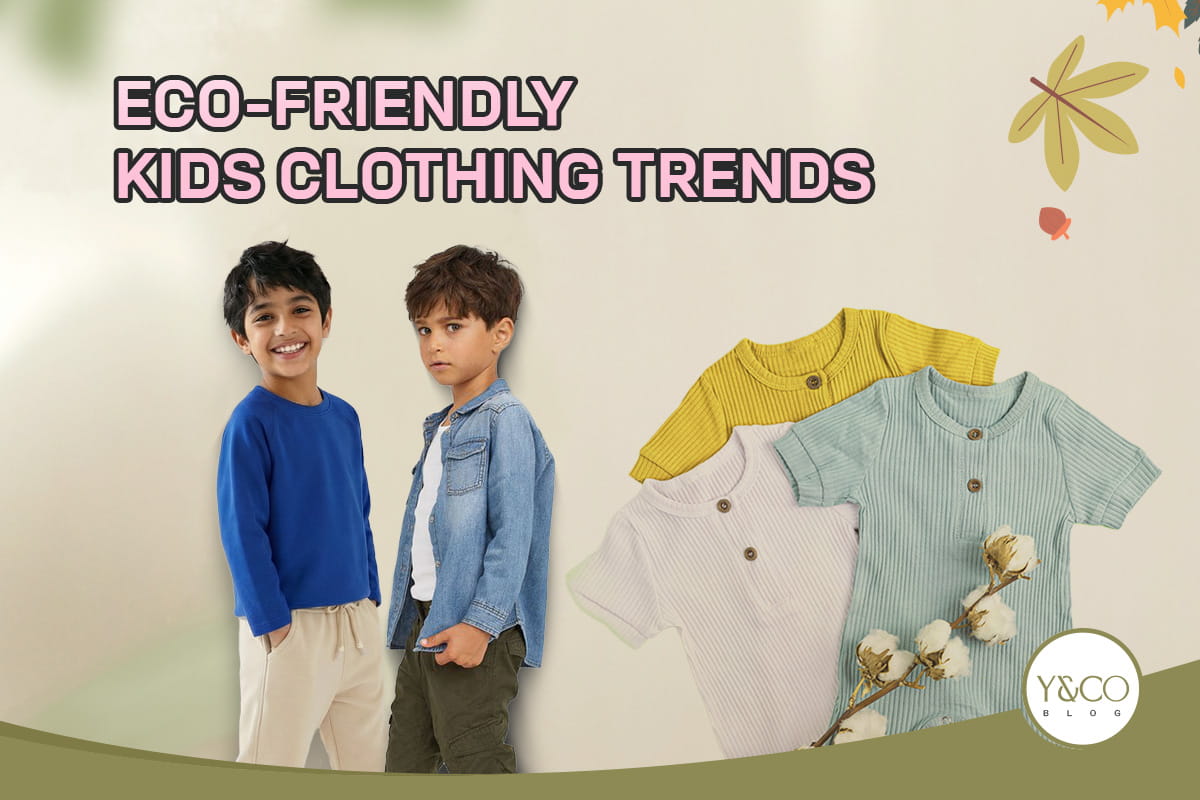

Parents are done buying cheap kids clothes that break after a few washes. Parents are choosing sustainable fashion now. It has style. It has comfort. It has responsibility. These eco-friendly pieces use natural fabrics like organic cotton and bamboo. Kids stay cool and comfortable. The clothes are made safely and ethically.
In This Article
Just five years ago, most parents would walk into a store, find a cute dress for their daughter’s birthday, and buy it without thinking much. No one really asked where the dress came from or how it was made. Fast fashion was normal. If the dress looked good and lasted a few months, that was enough.
But then things changed.
Maybe parents saw sad videos about factory workers. Or they heard news about piles of old clothes in landfills. For many parents, it became real when their child’s favorite shirt faded. It shrank. It tore after a few washes.
Suddenly, parents began asking new questions:
“Who made this?”
“Is this safe for my child’s skin?”
“Why does this dress cost only 8 dirhams? What was left out to make it so cheap?”
This change didn’t happen all at once. But when it started, it made a big difference. Parents began reading clothing labels, checking brands online, and learning that eco-friendly, well-made clothes can still be super cute—and even better for their kids.
What started with just a few parents making better choices has grown into a strong movement. Today’s families want clothes that last, feel safe, and don’t harm the planet their children will grow up in.
When Clothes Tell Your Story
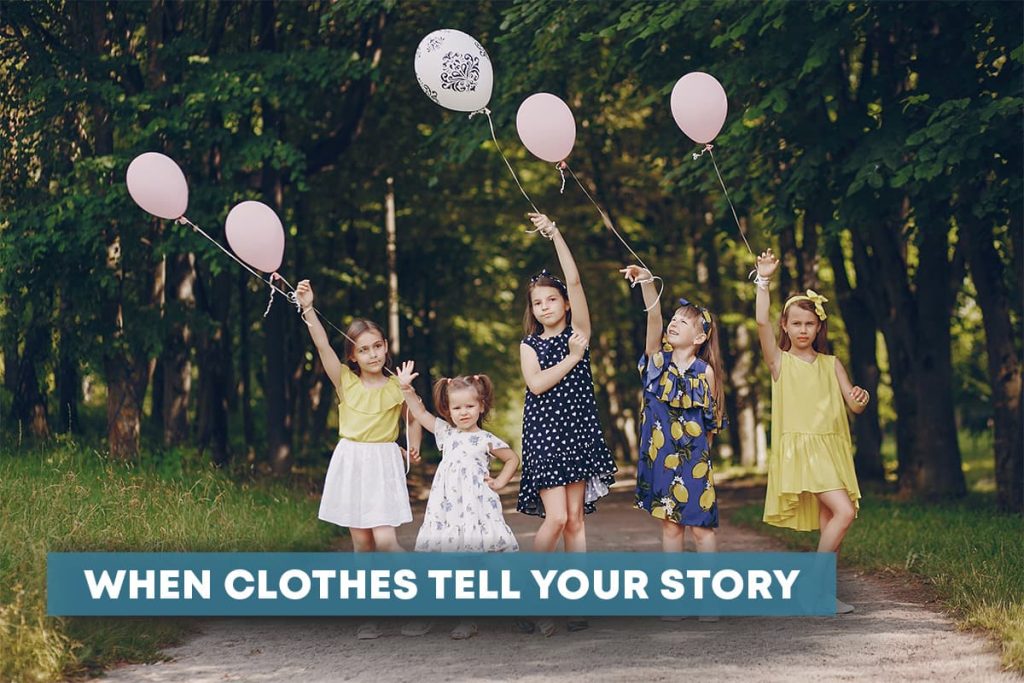
Interesting thing is that kids’ clothes aren’t just about keeping little ones covered up. They’re actually a way for families to share their traditions and values with the world.
When you see a child wearing a beautiful embroidered dress during Eid, or sporting colors that match a family celebration, their outfit is telling you something about who they are and where they come from. Smart clothing brands have figured this out.
Instead of making everything look the same, they’re creating pieces that respect different cultural preferences. Some families prefer longer sleeves and higher necklines, and that’s totally fine. The trick is making these modest styles look just as stylish and comfortable as anything else.
Colors are important too. During special celebrations, kids wear rich greens, deep blues, shimmering golds, or crisp whites. For everyday wear, many families like earthy colors. They feel natural and calming. Warm terracotta from desert landscapes, soft sage greens, or sandy beiges all work well.
What you add to the outfit makes a difference. Maybe it’s delicate embroidery that grandma taught someone how to do, or patterns that have been passed down through families for generations. When these traditional touches appear on modern kids’ clothes, it creates something special.
Gender-neutral clothing is becoming really popular. These are pieces that work for both boys and girls. They are perfect for families with multiple kids. Colors like soft grays, warm beiges, and gentle blues in simple, comfortable cuts are now in trend. One dress can work for different children at different times, making life easier for busy parents.
Why Fabric Choice Really Matters
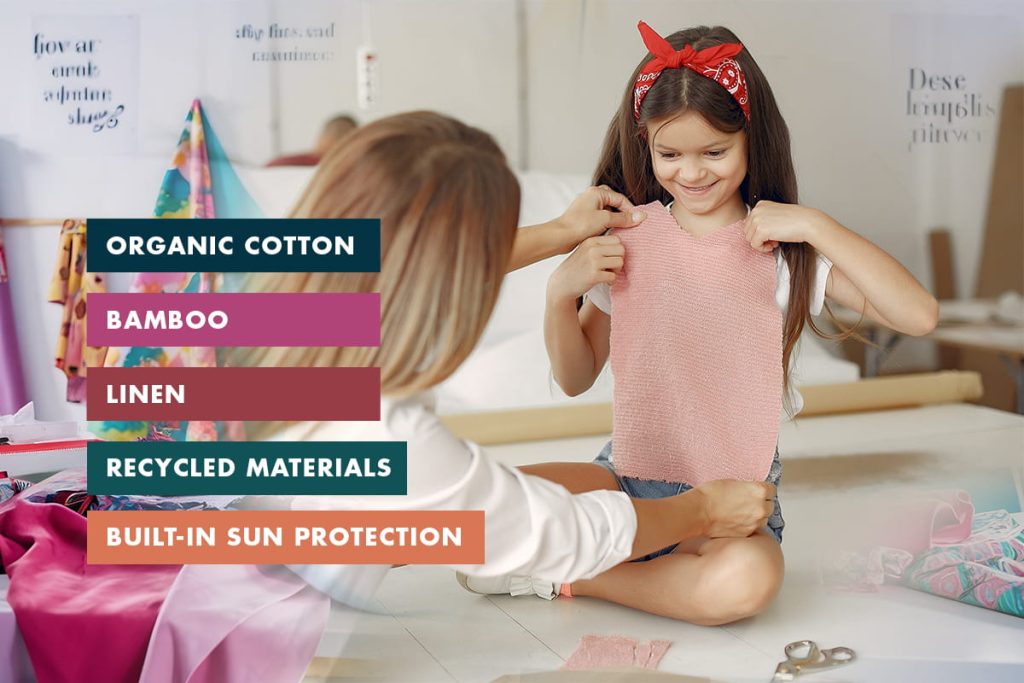
Ever noticed how some clothes make you feel hot and sticky, while others keep you comfortable all day? Because it’s about the fabric.
When it’s hot and humid outside, the wrong clothes can make kids miserable. Those synthetic materials that don’t breathe? They trap heat and sweat against the skin. It is not fun for anyone. Active kids who love to run and play suffer the most.
The good news is that clothing brands are smart about this now. They’re now using fabrics that actually help keep kids cool and comfortable, even on the hottest days.
Organic Cotton:
You’ve probably heard of cotton, but organic cotton is like cotton’s cooler, an updated version. Regular cotton is grown with lots of chemicals, but organic cotton grows naturally without any nasty pesticides. This makes it super soft and gentle on kids’ skin, so no itching or irritation. Plus, it breathes really well, so kids stay comfortable even when they’re being their most active selves.
Bamboo:
Bamboo (yes, like what pandas eat!) can be turned into soft fabric. Bamboo grows crazy fast sometimes 35 inches in just one day! And it naturally fights off bacteria, which means less stinky clothes even after a full day of playground adventures.
Linen:
Linen is made from a plant called flax, and it’s basically nature’s air conditioning for clothing. The fabric is woven loosely, so air flows through it easily. Sure, linen wrinkles pretty easily, but honestly? Most parents think those wrinkles can be fixed with ironing.
Recycled Materials:
Some companies take old plastic bottles and turn them into fabric! When mixed with natural materials, this recycled fabric is tough enough to handle whatever kids throw at it, while still being comfortable to wear.
Built-in Sun Protection
Some fabrics are like wearing sunscreen! Tightly woven cotton, hemp, and special bamboo fabrics can actually block harmful sun rays, giving kids extra protection when they’re playing outside. It’s like having a superhero cape that looks like regular clothes.
How to Spot Truly Eco-Friendly Kids’ Clothes
Shopping for sustainable children’s clothing can feel overwhelming when every brand claims to be “green” or “eco-friendly.” So how do you know which ones are actually doing the right thing?
Look for specific certifications on labels or product descriptions. It is the easiest way. These are not just fancy logos. They are proof that independent organizations checked the company’s practices. GOTS certification means the organic fibers are real. Workers were treated fairly. OEKO TEX certification shows the clothes were tested for harmful chemicals. Fair Trade certification means workers received fair wages. They had safe working conditions.
Another good sign is when companies are open about their manufacturing process. Real brands tell you where their clothes are made. They tell you who makes them. They tell you how much workers are paid. Some brands put QR codes on their garments. These links have detailed information about the factory and the people who made that piece. If a company is being secretive about any part of their process, that’s usually a red flag.
Pay attention to how much water the company uses. Making clothes needs a lot of water. One cotton t shirt needs around 700 gallons. Companies that care about the environment mention their water saving efforts. They reuse water in factories. They use natural dyes that do not pollute waterways.
Look for brands that talk about their carbon footprint. They tell you what they are doing to reduce it. The committed ones use renewable energy in factories. They choose shipping methods that create less pollution. Look for brands that plant trees and use clean energy. They put money back into the environment. These are the real companies that care. They are not just saying they care. They want to make a positive difference. They are not just using eco friendly marketing.
Clothes That Actually Last and Grow With Your Kids
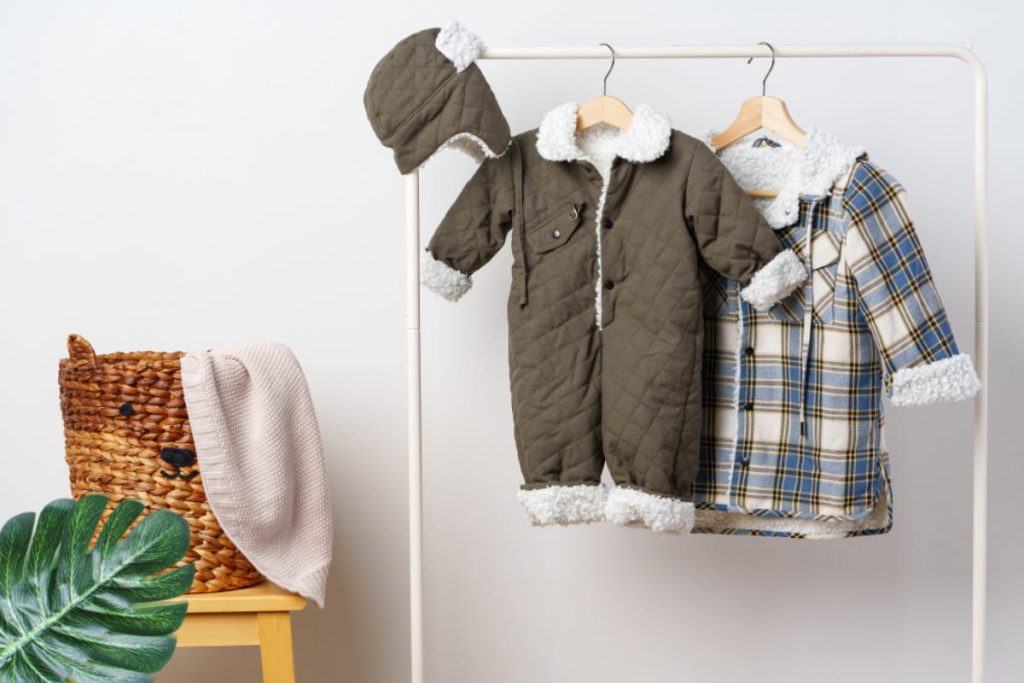
Kids grow very fast. Sometimes you wonder if it is worth buying nice clothes. Smart parents found a trick. They buy clothes that do double duty. The clothes adapt as kids grow.
Kids’ clothes today are designed to work for multiple occasions. That organic cotton dress? It might have removable sleeves so it works for both playground time and birthday parties. Some pieces are reversible. You get two completely different looks in one garment. It is like getting twice the wardrobe for the same price.
Layering is another game changer. A simple summer dress can become a winter outfit when you add tights, a cardigan, and boots. Some dresses have detachable sleeves or layers. You can add or remove them depending on the weather. Parents love this flexibility. It means fewer shopping trips. Each piece gives more value.
Smart designers know how to make clothes that grow with kids. Adjustable waistbands let clothes stretch. Expandable cuffs also help. Clever design lines also help. The garments accommodate growth spurts. Some brands build mathematical proportions into their patterns. Clothes still look good when they are sized up.
The details matter. Pockets big enough for rocks and treasures. Hidden snaps make diaper changes easier. Reinforced knees for crawling and playing. These thoughtful touches make daily life easier. The clothes do not look boring or purely functional.
What Works at Different Ages
Little kids have different needs than big kids. Many sustainable clothing brands understand this.
For toddlers, everything needs to be easy. Wide armholes so they can get dressed by themselves, simple snaps instead of tricky buttons, and flat seams that won’t irritate their skin when they’re rolling around on the floor. Extra room in the diaper area is a must, and everything needs to survive frequent washing because, well, toddlers.
Preschoolers are more active. They start to have opinions about what they wear. They need clothes that handle art projects, playground adventures, and juice spills. Fun prints and bright colors become important. Kids start expressing their personalities. But the clothes still need to be practical and durable.
School age kids want to look more grown up. They still need to be comfortable enough to play hard. They start to care about fitting in with friends. The clothes need to feel current. They should not look old or dated next year. Quality becomes more important.These pieces need to last longer. They handle everything from PE class to family dinners.
When Clothes Feel as Good as They Look
Remember when you had to choose between clothes that looked cute and clothes that felt comfortable? Those days are over. Now clothes manage to be both adorable and incredibly comfortable to wear.
The secret is in how they’re made. New fabric techniques create materials that stretch in many ways. They bounce back to their original shape. Dresses do not lose their form after one playground session. Some clothes are made without any seams. There are no scratchy edges. There are no weird bumps that dig into kids’ skin.
Designers are smart about mixing different materials. They blend cotton’s breathability with bamboo’s ability to fight germs. This creates fabric that keeps kids cool and fresh. It works even during very active days.
Designers think about how kids actually move. They watch children run, jump, climb, and play. Then they design clothes that move with them. They do not design clothes that move against them. Strategic curves in hemlines, extra room under the arms, and seams in the right spots all help. Kids can be as active as they want. Their clothes do not hold them back.
Many kids are also really sensitive about how clothes feel on their skin. Smart brands have figured this out and started making changes that seem small but make a huge difference. No more scratchy tags—the care instructions are printed right on the fabric. Seams are designed to be completely flat so they don’t create pressure points. Fabrics are pre-washed to eliminate that stiff, new-clothes feeling that some kids hate.
What’s Trending in Kids Fashion Right Now
The coolest kids clothes this year mix fun designs with practical features. They work for real life.
Nature prints are everywhere. They are way more interesting than basic flower patterns. Now you find clothes with detailed leaf designs, mountain landscapes, and even star maps. It is like wearing a piece of the natural world. Kids love pointing out the different elements they recognize.
Geometric patterns are also popular. Think cool shapes, optical illusions, and repeating patterns. They are fun to look at. These designs work for kids who want something modern and eye catching.
The shapes of clothes have gotten smarter too. Tiered dresses with multiple layers aren’t just cute—each layer can be adjusted separately, which means the dress can grow with your child. Bell sleeves and puffy shoulders add a fun, vintage touch while keeping things loose and comfortable, especially important when it’s hot outside.
Wrap-style dresses and tops are becoming really popular because they’re so adjustable. The ties can be loosened or tightened as kids grow, making these pieces last much longer than traditional fitted clothes.
The little details are where things get really interesting. Instead of plastic buttons, many brands are using buttons made from coconut shells or wood. Hand embroidered touches using organic cotton thread add a special, handmade feel. Natural dyes create beautiful color variations. No two pieces look exactly the same.
Color choices are more thoughtful now. Soft greens and warm browns keep active kids calm. Bright colored accessories help kids express themselves.
Why Spending More Upfront Actually Saves Money
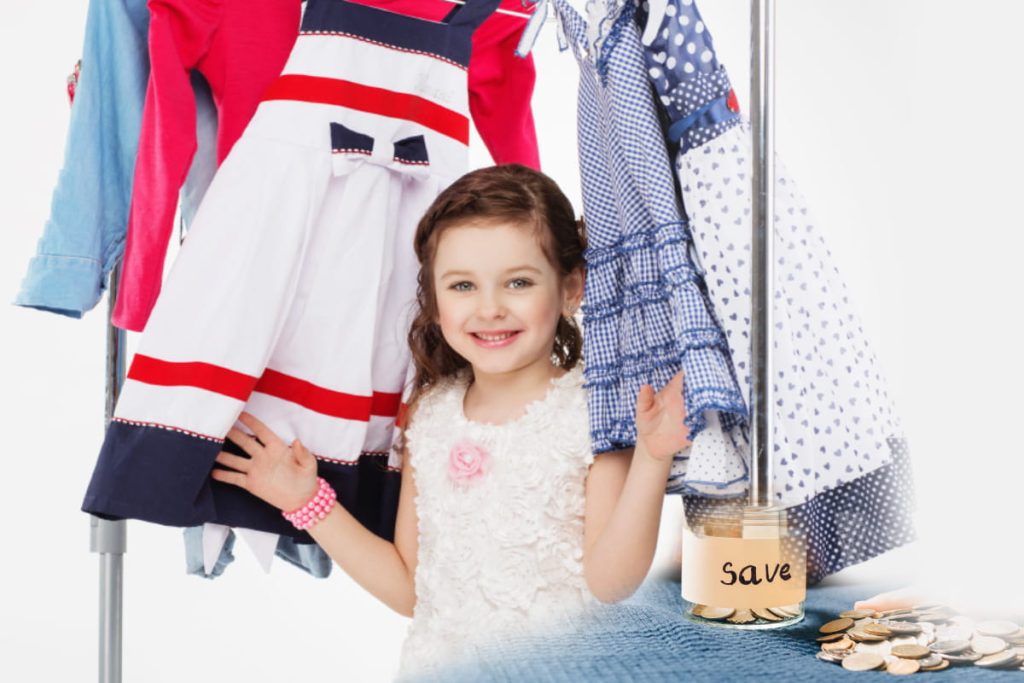
Sustainable kids clothes cost more than regular ones. Let’s talk about that. But when you do the math, they often end up being cheaper in the long run.
Think about it this way. You buy a regular dress for AED 55 that falls apart after about 6 months. That’s roughly AED 9 per month of wear. Now compare that to a well-made sustainable dress that costs AED 165 but lasts 18 months and can be passed down to younger siblings. That works out to about AED 4.50 per month per child—less than half the cost when you really break it down.
The quality difference is real. These better-made clothes don’t just last longer; they actually look good after months of wear. While cheap clothes fade, shrink, and lose their shape, sustainable pieces maintain their appearance even after countless washes and playground adventures.
When your child outgrows them, you can actually sell them online or at consignment shops for a decent price. Good brands with solid reputations are in demand in the second-hand market, so you can recoup some of your investment.
The hand me down factor is huge. These clothes are built to last. They have timeless designs. They still look great when you pass them to younger siblings or friends.Buy one well made piece instead of new outfits for each child. One piece can work for multiple kids over several years.
Add up the longer wear time, resale value, and hand me down potential. Sustainable children’s clothing is often cheaper. You also feel good about it. You are making better choices for your family and the environment.
Building a Sustainable Children’s Wardrobe
You need strategic planning to build a sustainable wardrobe for children. Be thoughtful when you select pieces. The goal is a collection of versatile pieces that work together. They meet your child’s developmental and lifestyle needs.
Foundation Pieces
Start with high quality basics in neutral colors. They coordinate easily.
3 to 4 well fitting dresses in different styles. Pick casual, semi formal, or layering options.
2 to 3 organic cotton t shirts or tops.
1 to 2 cardigans or light jackets for layering.
Comfortable bottoms in coordinating colors.
Seasonal Additions
Build upon the foundation with season specific pieces.
Lightweight layers for air conditioned spaces.
Clothes that guard skin from sun rays when playing outside
Special outfits for parties and celebrations
Jackets and coats for your area’s weather
Growing Fast
Kids get bigger quickly
Buy one size larger when you shop
Clothes last longer this way. Get pieces meant to last multiple seasons.
Invest in adjustable designs. They accommodate growth spurts.
Choose classic styles. They will not look outdated as children age.
FAQs
Are eco-friendly kids clothes really worth the extra cost?
Yes. They last much longer than cheap clothes. Your child can wear them for years. You can pass them to younger siblings. In the end, you spend less money.
Where do I find eco-friendly kids clothes in the UAE?
Many brands sell online and deliver to the UAE. Look for GOTS and Fair Trade certifications on the labels. Local boutiques also carry sustainable options. Ask other parents for recommendations.
How do I know if a brand is really eco-friendly?
Check for certifications like GOTS and OEKO-TEX. Visit the brand’s website. Real companies tell you where clothes are made and who makes them. If they hide information, skip that brand.
Do eco-friendly clothes work well in hot UAE weather?
Yes. Organic cotton and bamboo fabrics breathe well. They keep kids cool and comfortable. These natural materials are perfect for desert heat.
Can I wash sustainable kids clothes frequently?
Yes. Eco-friendly clothes are made to last. Wash them in cool water and air dry when you can. They hold up better than cheap clothes even with frequent washing.
Switching to sustainable kids fashion does not mean throwing out everything tomorrow. The best approach is taking it slow. Make better choices as you go.
Start by replacing worn out items. Pick sustainable alternatives. Focus first on the pieces your kids wear most. Think everyday play clothes and casual dresses. Do homework on brands before you buy. Look for those certifications and transparency. Choose fabrics and styles that make sense for your local weather and your child’s activity level. Involve your kids in the conversation. When they understand why these clothes are special, they take good care of them.
The truth is, every small step matters. Whether you are buying one organic cotton dress or completely rethinking your approach to kids clothing, you are contributing to a movement. It values quality, fairness, and environmental responsibility. Your children will grow up understanding that the choices we make can make a real difference. Even something as simple as what to wear matters.
Leave a Reply