


The importance of soft clothes for kids is crucial – whether it’s for preventing skin irritation, promoting comfort and coziness, enhancing sleep quality, or keeping them happy and relaxed.
It’s even more important if your child has sensitive skin. Avoid harsh, stiff, and non-stretchable fabrics that could lead to rashes, irritation, and discomfort, making your kid cranky. Rather, pick soft organic materials like cotton, fleece, bamboo, or wool that are absolute mood boosters. The truth is, soft clothes promote the healthy development of your child in their tender days, both physically and psychologically.
In This Article
What do parents prefer in kids’ clothing these days? Trend, style, comfort, or anything else?
Every parent loves seeing their kids in cute, stylish, and adorable outfits. But nothing comes close to comfort when it’s about your child’s safety, freedom of movement, and overall development (physical, psychological, and emotional).
Here comes the importance of soft clothes for your kids to keep them happy, healthy, and relaxed. Because, let’s face the truth, no matter how stylish the attire, your child will reject it if it’s uncomfortable to wear.
Saying that kids’ clothes should always be soft, breathable, comfortable, and gentle on the skin, whether for a day-long family outing, or a cheerful playground session at school. Only soft and flexible fabrics can keep them engaged in whatever they are doing without causing any distraction.
That’s why mastering the trick to pick the softest kid’s clothes is like a superpower for parents. If you want to make your life a little easier, avoid picking any itchy and scratchy fabrics; and save a whole lot of tantrums. This is how you keep your kid confident, contented, and stress-free to save your sanity (especially for new parents).
Exploring Children’s Delicate Skin: Why Do Soft Fabrics Matter?

It’s no secret that children’s skin is more delicate than adults’, especially toddlers and newborns, who suffer from extreme skin sensitivity. They receive less natural protection and are more prone to rashes, irritation, and discomfort caused by harsh fabrics.
Plus, they have thinner skin barrier which makes them more vulnerable to rough materials containing chemicals or dyes.
Soft natural fabrics in kids’ clothing can save them from irritation, itchiness, or allergic reactions.
At the same time, your child’s body is still developing, with growing bones and muscles. So, buying cheap, restricting, and poorly made clothes will definitely hamper their body structure during their growing years.
Most importantly, when your child is between 3-7 years, their average body movement is almost double that of adults. Soft, stretchy fabrics make it easier to maintain kids’ comfort throughout their hectic schedule of running, crawling, and playing around.
Importance of Soft Clothes for Kids: The Key Benefits
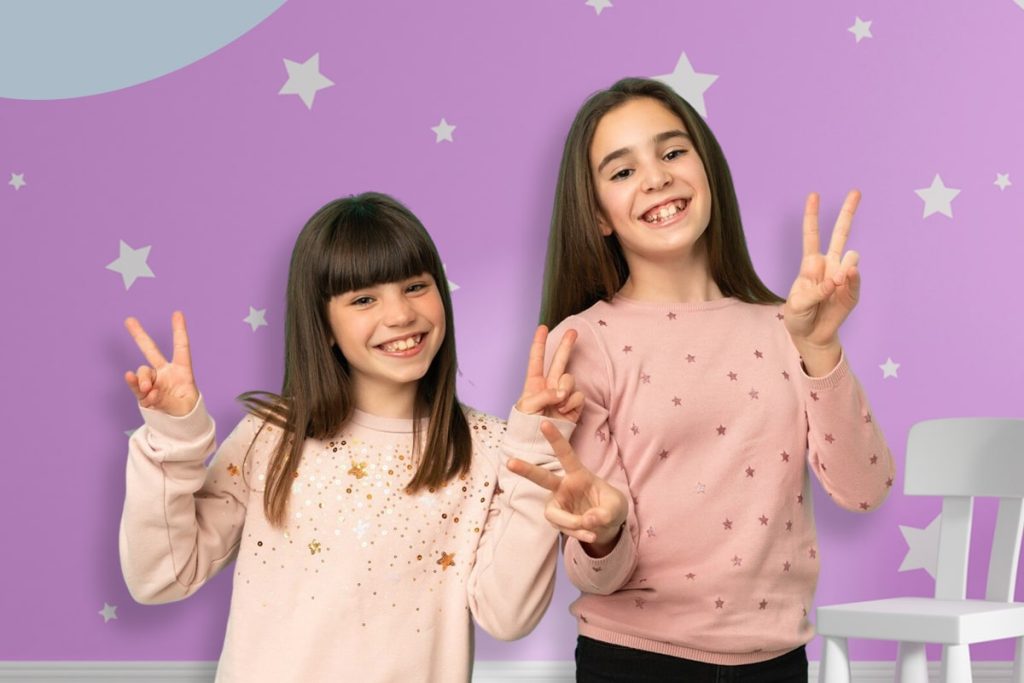
The benefits of making your kids wear soft, skin-friendly clothes are more than you may imagine. Aside from letting your child feel and look best, it comes with the following conveniences:
Gentle on Skin
The greatest perk of soft fabrics is they are gentle on your kid’s delicate skin without causing any sort of discomfort. By preventing rashes and dryness, it lets them feel relaxed while boosting their mood.
Fosters Self-Development
As kids stay calm, comfortable, and relaxed in soft fabrics, they can concentrate better on whatever they are doing, just playing around or learning new things.
The ability to explore without any unwanted itchy feelings notably contributes to kids’ healthy development.
Emotional Well Being
Think of yourself in scratchy, uncomfortable attire that keeps bothering your skin. How would you feel, even as an adult?
It’s even worse for kids as they are more susceptible to itchiness, rashes, and allergic reactions.
Itchy, restricted clothes lead to severe mood swings in children, which is why softness in children’s clothes is the key to their emotional well-being. It makes them feel loved, valued, and cared for.
Reduces Distraction and Frustration
Dress your child in rough, chemical-treated, tight attires and they will cause nothing but discomfort, distraction, and frustration. Even adults need clothes that feel good on the skin. For kids, soft clothes could break all those barriers to keep them confident and focused.
Ensures Better Sleep
Any new parents here? Remember those countless nights when your kids keep screaming? How irritated do you get during those sleepless nights?
If you couldn’t figure out the reason yet, maybe it’s because you dressed them with something they don’t feel comfy. Unless you dress your child in something soft and pleasant (cozy pajamas for example), don’t expect a restful night’s sleep for any of you.
Promotes Breathability
Soft fabrics are breathable, lightweight, and comfortable promoting the following perks in child’s fashion:
- Better air circulation to keep your child cool
- Excellent moisture management by regulating body temperature properly
- Ensures freedom of movement by offering flexibility
Encourages Comfort, Creativity, and Confidence
For kids, it’s utterly important to be accepted by their peers. As long as they’re dressed in soft, comfortable clothes, they can naturally bond with other children without feeling underconfident.
When they are wearing something uncomfortable and constantly adjusting their clothes, it’s natural to lose focus and get hyper.
Therefore, parents should dress their kids with a view to keeping them at ease, anxiety-free, and expressive. Whether they participate in an imaginative play or creative chore- soft, flexible clothing lets them embrace new challenges with confidence.
Reduces Skin Concern
As discussed earlier, children are more prone to itchiness, allergies, and a lot of other skin concerns. To reduce these risks, there’s no better alternative to soft fabrics that feel great against the skin, ensuring a cool and dry skin surface to prevent eczema, heat rashes, and more.
Enhances Daily Activities
Why does softness matter in kids’ clothing more than you think? One of the major reasons is to enhance their everyday activities with grace and confidence. Soft, breathable, and well-fitted clothes keep them completely engaged whether they are sitting in the classroom, or taking a stroll around the park.
The softer the fabrics, the happier the kids, the more pleasant their everyday experiences are.
How to Choose Soft and Comfortable Babywear

Here comes the toughest part- selecting the suitable fabrics for kidswear. When it comes to dressing your little one in joy, comfort, and coziness, the following things should be taken into consideration:
Skin Friendly Material
These are the best fabrics for babywear, whether they have normal, allergy-prone, or sensitive skin:
1. Cotton: Soft, breathable, and comfortable for everyday wear; that’s why parents’ first choice for baby attire.
Tip: When shopping for kids, look for clothes that have the “100% organic cotton” tag.
2. Bamboo: Breathable, sustainable, and moisture-wicking to keep your kids dry. Feels extremely soft against the skin.
3. Fleece: Soft, warm, and comfortable, especially perfect for your baby’s winter wear. Often used in hoodies, sweatshirts, jackets, etc.
4. Linen: Another natural fabric like cotton. Soft, non-itchy, and lightweight; appropriate for hotter climates.
5. Wool: Excellent moisture-wicking properties for winter wear. At the same time, it’s highly insulating to keep your kids warm.
Pro Tip: Look for high-quality wool for kidswear, merino wool/cashmere, for example. They are incredibly soft and gentle on baby skin
6. Modal: Being made from soft beech tree fibers, modal is very well-known for its silky smooth texture. Also, it’s lightweight, durable, and comfortable for kids with sensitive skin.
7. Flannel: Ideal for warmth and coziness in winter, without compromising softness and flexibility in babywear.
8. Silk: Silk is a bit on the luxurious side, letting your kid feel smooth and comfortable.
Warning: Silk is not appropriate for everyday wear.
Size Makes the Difference
Kids’ clothes should come with proper fitting, neither too loose nor too tight. Remember, your child will grow up in a blink. So, don’t pile up with the same size clothes, they might not fit in a few days.
Also, go for clothes that run a little roomy, so as not to rub against their delicate skin surface.
Feel the Fabric
Before buying, feel the fabrics with your fingers. They should be smooth, soft, and free of rough textures. Also, either pick tagless clothes or remove the tags before your kids wear them.
Pick Age-Appropriate Clothes
When you are looking for kids’ comfortable clothes, consider shopping by their age group.
Infants: Infants (0-1 year) need skin-friendly clothes the most as they have the most delicate and tender skins. Dress them up in soft onesies, rompers, bodysuits, or sleepwear to make them feel cozy and cared for.
Toddlers: Usually, kids who are 1-3 years old are considered toddlers. To support their active lifestyle, you can make them wear t-shirts, pajamas, sweaters, etc. Make sure they are lightweight and breathable so as to keep them sweatproof.
Preschoolers: Preschooler’s (3-5) comfy clothes include loose-fitting outfits that are easily manageable. Parents should pick clothes that they could put on and take off independently.
Children: Any kids above 5 and below 13 are considered as children. You should select their clothes in varying designs and patterns to match their ever-changing fashion.
Look for Simple Openings and Closings
Ever been frustrated with the dressing time struggle with your kids? Avoid those complicated buttons and zippers; rather embrace dresses with simple openings with snaps, or elastic waistbands.
Here are a few ideal features for kids clothes that facilitate quick and easy dressing–
- Front/ large neck opening
- Easy and simple fastener
- Zippers that come with large pull-rings
- Fewer buttons in larger forms
- Instead of belts, elastic waistlines are more preferable
Consider the Season
Kid’s attire must be season-appropriate to keep your baby happy and healthy. Avoid any sort of discomfort in kids’ fashion with the season-smart shopping choices below:
| Season | Fabric Recommendations | Key Focus |
| Summer | Cotton, Bamboo, Linen | Soft, lightweight, and breathable materials to keep your kid cool |
| Winter | Fleece, Merino wool, Flannel | Need adequate insulation for optimal warmth |
| Monsoon | Synthetic blends, Waterproof Fabrics | Durable, waterproof material to stand wear and tear |
Prioritize Your Kid’s Preference
When deciding your kids’ closet, prioritize the designs, patterns, and colors of their choice ( when they are able to choose). This way you can keep your child happy and satisfied. Involving your kids in the process helps grow their self-esteem and confidence.
Of course, you need to set the parameters to make sure the clothes are comfortable, age-appropriate, and within budget.
Soft and Hypoallergenic Clothing for Sensitive Skins
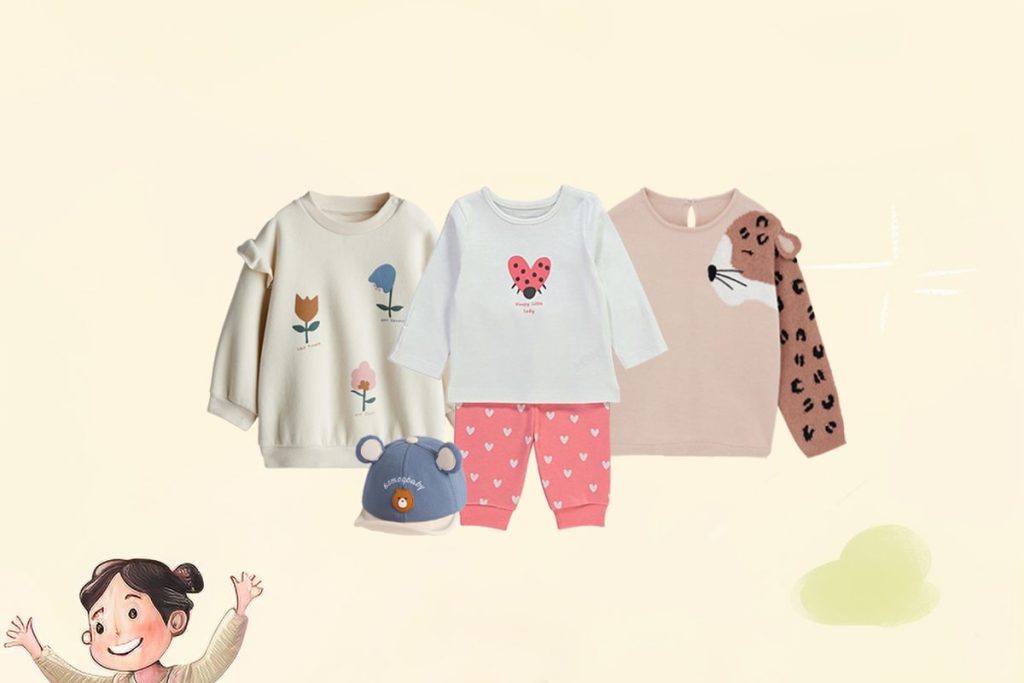
Parents can easily win over sensitive skin with hypoallergenic baby clothing. On one hand, soft and hypoallergenic materials ensure your baby is surrounded by comfort, love, and care.
Reducing the risks of rashes, irritations, and allergies on the other hand, these baby-safe fabrics notably affect your child’s overall growth, health, and happiness.
However, it all comes down to choosing the right material. Three such materials for sensitive-skinned babies are as follows-
| Material | Key Benefits |
| Organic Cotton | Soft and breathableFree of harmful chemicalsGentle on delicate skinEco-friendly |
| Bamboo | Surprisingly softNatural antibacterial propertiesExcellent moisture-wicking capabilities |
| Silk | Soft and smooth textureFeels gentle against sensitive skinHypoallergenic |
Busting Some Common Soft Clothing Myths
Let’s put an end to some common myths about kids soft clothes:
Soft clothes wear out too fast- Not really. With proper care, they can stay in great shape for years.
Soft clothes are too expensive– It’s the opposite actually. Investing in soft, high-quality fabrics saves your wallet by making the clothes last longer.
Soft clothes are not stylish- Absolutely wrong. Recently, many popular brands offer a diverse range of stylish outfits for kids featuring soft, organic materials. In reality, softness is the new trend in kid’s fashion wear.
How to Care for Soft Fabrics: Practical Tips for Parents
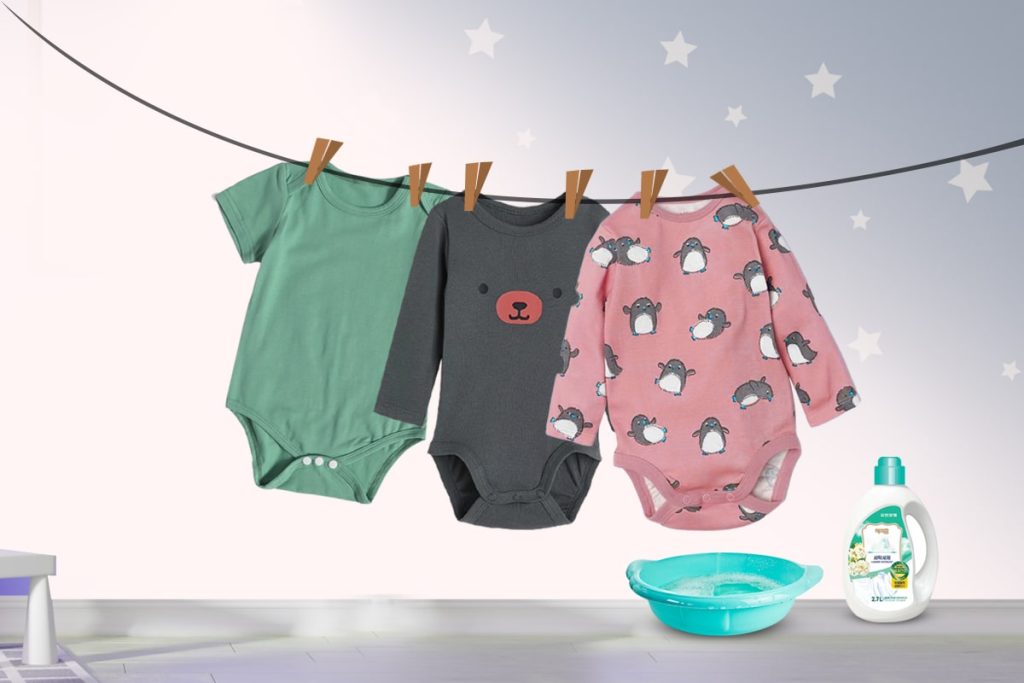
Maintaining soft fabrics could be really tricky. You need to strictly follow the manufacturers’ guide to retain the softness and durability of clothes.
However, the following tips should help you in this regard-
- Always wash your kid’s clothes before the first wear. This removes any chemical residues used in the manufacturing process.
- Avoid warm water for washing soft clothes. Use regular water to protect the fibers.
- Avoid harsh chemicals like bleach or fabric softeners that irritate your baby’s skin. It also helps maintain the colors and graphics of the outfits.
- Opt for mild, fragrance-free, and baby-safe detergents, especially suitable for sensitive skin.
- Air dry soft fabrics for prolonged softness.
- Wash the clothes separately so as not to mix colors.
What to Avoid in Kids’ Comfortable Clothing: The Basic Red Flags
To ensure your baby a safe and comfortable attire, you should avoid clothes made from the following materials:
Nylon: Nylon is synthetic and non-breathable fabric, therefore, causes overheating and moisture build-up.
Polyester: Rough, itchy, and chemical-treated; Makes kids cranky and uncomfortable by trapping heat and sweat.
Spandex/ Lycra: Feels a bit harsh and scratchy against the delicate skin surface of children; could lead to irritations and allergic reactions for sensitive skin.
Aside from these, any stiff and non-stretchable fabrics are a big No for kids.
Style VS Comfort in Kidswear: Let Kids Be Kids
When it’s style vs. comfort, which takes precedence in kids’ clothing?
While we love to see our little ones in classy, smart, and stylish outfits; the importance of soft, simple, and comfortable clothing is still paramount. At the end of the day, kids’ clothing is not about conducting a runway show, rather it’s about their safety, satisfaction, and relaxation.
Most importantly, soft, flexible, and comfortable clothes allow kids to be kids; active, energetic, and carefree who express themselves through their apparel.
So, we shouldn’t restrict them to the frame of style and trend, but rather let them move, play, explore, and enjoy life with freedom and excitement.
FAQs
How does clothing affect children?
Children are notably affected by what they wear. Wearing soft, well-fitted, and age-appropriate clothes makes them more accepted by their peers, resulting in better social networking for kids, and contributing a lot to their emotional well-being. On the same note, soft and comfortable clothing makes kids more active and energetic, reducing distraction, anxiety, and frustration.
Do babies need soft clothes?
Yes, absolutely. Babies have delicate and sensitive skins, which is why soft cotton clothing is unparalleled in ensuring their safety and comfort. Besides, parents should choose baby fabrics wisely that are non-irritant, non-itchy, and allergen-free.
Why is comfortable fit important in clothing for toddlers?
Toddlers tend to be more active throughout the day. Naturally, they need comfortable, supportive clothes to keep up with their hectic schedules. A comfy, well-fitted cloth lets them move and explore without restrictions, ensures a better sleep cycle, and keeps them pleased and cheerful all day long, supporting their overall growth and development.
How tight should baby clothes be?
The basic rule of baby clothing is to fit two fingers between the attire and the baby’s skin. This way you can allow them to move and breathe comfortably. Remember, the clothes should be snug, but not tight to leave marks on your kid’s delicate skin surface.
How can I soften my baby’s clothes naturally?
Instead of using a fabric softener, you can use a natural alternative to soften your kid’s clothes. Add a little white vinegar while rinsing the baby cloth to retain its softness naturally. Also, avoid washing clothes in harsh detergents and hot water; try mild, baby-safe detergents and air dry the clothes for added lifespan.
The importance of soft clothes for your kids is more than you can think. As parents, it’s your responsibility to keep your child safe, protected, and pleased. And what’s a better way than making them dressed up in breathable, soft, and comfy fabrics? In fact, one of the best ways to keep baby tantrums away is to dress them in their favorite flexible clothes, so that they can enjoy themselves without discomfort, distraction, and irritation throughout the day.
More than that, soft baby clothes contribute a lot to shaping your kid’s future, as clothing significantly affects their physical and mental growth during tender years.

[…] Tie-dyes are usually fiber reactive and they are designed to bind strongly to fabric fibers. […]
[…] Related: Importance Of Soft Clothes For Your Kids: Parents’ Guide […]